



The Shift Towards Local
For years, ingredients like quinoa, avocado, and kale dominated the health food conversation. But a growing awareness of sustainability, a desire for fresher ingredients, and a push from pioneering Indian chefs are changing the narrative. This 'farm-to-table'
approach celebrates regional biodiversity, supports local farmers, and reduces the carbon footprint associated with transporting foods across the globe. More importantly, it reintroduces us to the nutritional powerhouses that have always been a part of Indian culinary traditions. The result is a more affordable, sustainable, and arguably more delicious way of eating.
Quinoa vs. Amaranth (Rajgira) and Millets
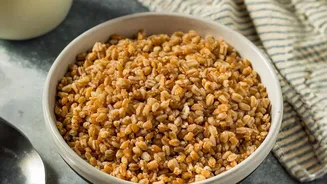
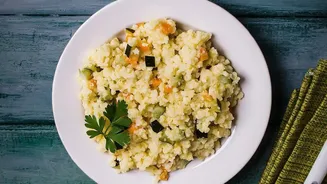
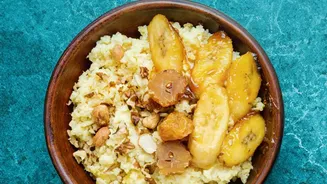
Quinoa became a global sensation for being a complete protein. However, India has its own ancient grains that are just as impressive. Amaranth, known as rajgira or ramdana, is a gluten-free grain that is packed with protein, calcium, and iron—outshining quinoa in several nutritional aspects. Similarly, millets like bajra (pearl millet) and ragi (finger millet) are fibre-rich, have a low glycemic index, and are incredibly versatile. You can use them to make everything from fluffy rotis and porridges to salads and khichdi, offering a wholesome and locally-grown alternative.
Avocado vs. Indian Butter Fruit & Coconut
The demand for avocados has a significant environmental impact, contributing to deforestation in its native regions. While delicious, it's often expensive and not locally grown in most of India. A fantastic substitute is the native Indian butter fruit, which has a similarly creamy texture perfect for spreads and smoothies. Another excellent and widely available alternative is fresh coconut. Rich in healthy fats and fibre, coconut is a 'miracle fruit' that supports digestion, heart health, and offers a versatile base for both sweet and savoury dishes, all while being easier on your wallet.
Imported Berries vs. Jamun and Phalsa
Blueberries are prized for their antioxidants, but they come with a high price tag and are often imported. Look no further than the humble jamun (Indian blackberry). This deep purple fruit is loaded with the same powerful antioxidants, called anthocyanins, and has been used in Ayurveda for centuries to help manage blood sugar levels. Another wonderful local option is phalsa, a tangy berry perfect for refreshing summer sherbets. Both jamun and phalsa are not only more affordable but also offer unique flavours and immense health benefits, making them a smart and delicious swap.
Kale vs. Local Leafy Greens
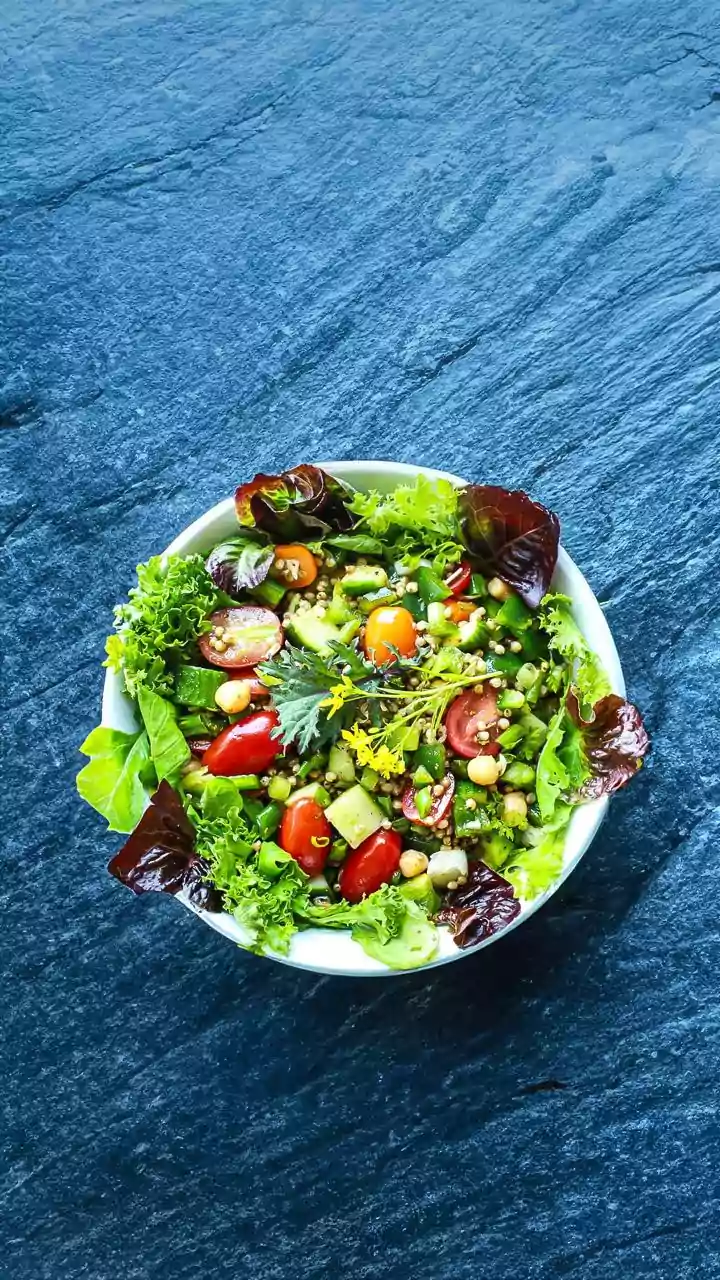
Kale's popularity soared as a nutrient-dense green, but many Indian leafy vegetables are just as, if not more, nutritious. Common spinach (palak) contains more folate and vitamins A and K than kale. Other greens like amaranth leaves (chaulai), moringa leaves (drumstick leaves), and mustard greens (sarson ka saag) are nutritional powerhouses packed with iron, calcium, and vitamins. These greens are readily available, inexpensive, and can be easily incorporated into dals, stir-fries, and smoothies for a healthy boost.
Olive Oil vs. Cold-Pressed Local Oils
While extra virgin olive oil is excellent for dressings, its low smoke point makes it less suitable for high-heat Indian cooking. For centuries, Indian cuisine has relied on traditional cold-pressed oils like mustard, groundnut (peanut), and sesame. These oils are extracted without high heat, which helps them retain more nutrients and natural flavour. Cold-pressed groundnut oil, for instance, has a high smoke point perfect for frying and tempering, while mustard oil provides a distinctive pungency and health benefits our bodies are accustomed to.