




The Traditional Model
Since its inception, NASA has largely operated on a vertically integrated model for its most ambitious missions. Think of the Apollo program: the agency conceived the goal, designed the hardware, managed the contractors to build every component, and operated the missions from
start to finish. This approach gave NASA unparalleled control over quality and safety, leading to historic achievements. However, it also meant the agency bore the full financial and developmental burden. As missions grew more complex and budgets faced constraints, the model of NASA doing everything alone became increasingly challenging to sustain, sometimes leading to decades-long timelines for major projects.
The New Commercial Playbook
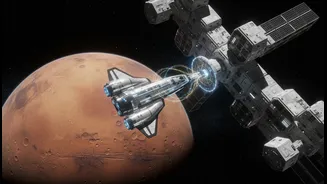
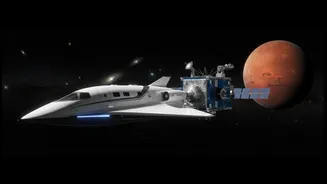
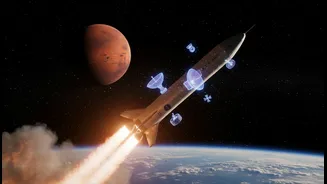
The new public-private model represents a fundamental change in philosophy. Instead of just hiring contractors to build its own designs, NASA is now acting more like a customer for services. The agency defines the high-level scientific objectives and critical safety requirements, then invites commercial companies to propose their own solutions for transportation, hardware, and operations. This approach has already proven successful with commercial cargo and crew deliveries to the International Space Station, which revitalized the domestic launch industry. NASA is now extending this 'buy a ride, not the whole car' strategy to deep space, starting with Mars. This allows NASA to focus its resources on what it does best: pioneering science and long-term exploration goals.
A 'Force Multiplier' for Science
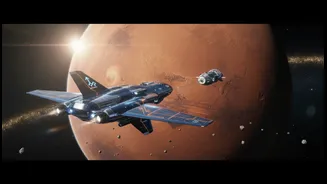
A key driver for this shift is the goal to get more science done, more often, and for less money. By leveraging commercial investment, NASA can effectively multiply the impact of its budget. A prime example is the recently announced Aeolus mission, scheduled for 2028. Under this partnership, NASA is developing the advanced scientific instruments, while a private company, Relativity Space, is responsible for providing the rocket, the spacecraft, and the mission operations to get the payload to Mars. NASA Administrator Jared Isaacman called this approach a "force multiplier for science," enabling the agency to gather essential data for future human missions more quickly. This data, particularly on the Martian atmosphere, is vital for designing systems that can safely land astronauts on the surface.
Fostering a New Space Economy
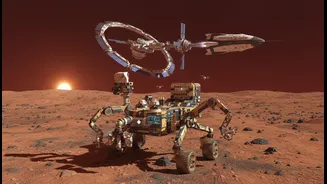
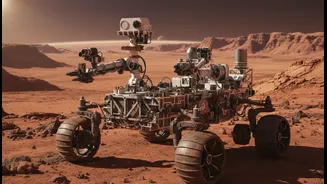
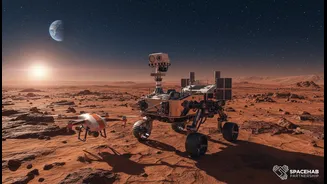
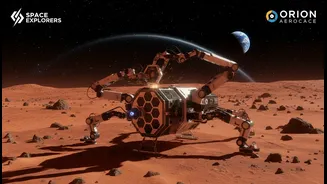
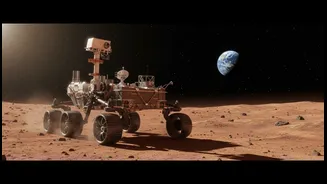
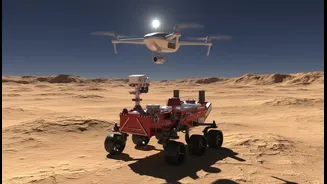
This model isn't just a benefit for NASA; it's a catalyst for the broader space economy. For private companies, a high-profile NASA contract provides a crucial anchor customer and a unique opportunity to prove their technology on the interplanetary stage. A successful mission to Mars for a company like Relativity Space validates their launch vehicle and deep-space capabilities, making them a strong competitor for future contracts, both governmental and commercial. NASA is also fostering innovation in other areas, such as robotic surface mobility, by awarding contracts to multiple companies to develop technologies for exploring challenging Martian terrain. This competitive approach encourages a diversity of ideas and drives down long-term costs.
Navigating the Risks of Partnership
While promising, the public-private model is not without challenges. Handing over significant control for launch and spacecraft operations to a third party introduces new risks. NASA must maintain rigorous oversight to ensure its stringent safety and mission assurance standards are met, a task that becomes more complex when it doesn't own the hardware. There is also the business risk of a commercial partner failing to deliver, which could jeopardize a critical science mission. Furthermore, there is a delicate balance to strike. Some analysts warn of a future where NASA's role could be diminished to simply validating contracts, potentially stifling its own in-house innovation. Successfully managing these partnerships requires a new set of skills within the agency, blending technical oversight with savvy commercial management.