



The Dangers of a Day Spent Sitting
It’s no secret that our modern work lives are largely sedentary. For many, a typical day involves sitting for eight or more hours, and this prolonged inactivity has been dubbed "the new smoking" for good reason. A wealth of research shows that sitting for extended
periods is linked to a host of health problems, including an increased risk of obesity, type 2 diabetes, cardiovascular disease, and even certain types of cancer. The scary part? These risks can persist even if you exercise regularly. A daily gym session, while beneficial, doesn't fully undo the metabolic damage caused by sitting for hours on end. Prolonged sitting slows circulation, reduces the activity of fat-burning enzymes, and can impair your body's ability to regulate blood sugar and blood pressure. This has led health experts to a crucial conclusion: in addition to regular exercise, we need to break up our sedentary time throughout the day.
What the New Research Reveals
A landmark study from researchers at Columbia University provides a clear and surprisingly simple prescription to combat the harms of sitting. The study, published in Medicine & Science in Sports & Exercise, tested different frequencies and durations of movement breaks for people with desk jobs. The results were striking: the optimal formula was just five minutes of light walking for every 30 minutes of sitting. This specific regimen was the only one tested that significantly lowered both blood sugar and blood pressure. In fact, this simple routine reduced blood sugar spikes after a large meal by a staggering 58% compared to sitting all day. Furthermore, any amount of walking significantly reduced blood pressure by 4 to 5 points. The benefits weren't just physical; participants also reported better moods, less fatigue, and more energy on days they took frequent movement breaks.
Defining Micro-Movement
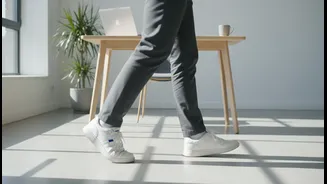
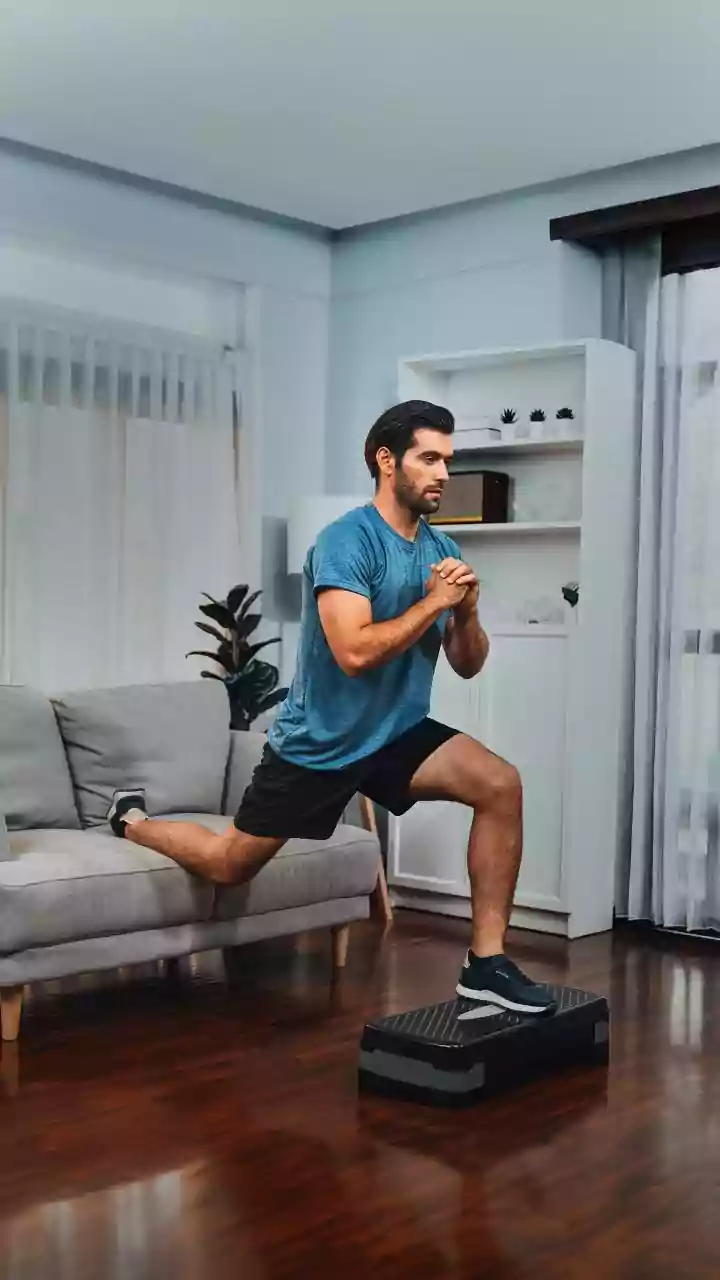
The solution lies in what experts call "micro-movements." These are small, low-intensity physical actions that can be done frequently throughout the day without disrupting your workflow. Think of them as "movement snacks." The goal is to interrupt long periods of being static. Micro-movements can be as simple as standing up to stretch, doing a few chair squats, rolling your ankles under your desk, or taking a five-minute walk to the water cooler and back. Unlike a formal workout, they don’t require a change of clothes or special equipment. The science is compelling: these small, continuous motions activate muscles, boost blood flow to the body and brain, and keep your joints from stiffening, helping to counteract the negative effects of a static posture.
Your Action Plan: Desk-Friendly Movements
Integrating micro-movements into your workday doesn't have to be complicated. The key is to make them a regular habit. Set a timer to remind yourself to move every 30 minutes, a practice supported by the Columbia study's findings. Here are a few simple movements you can do right at your workspace: Chair Squats: Stand up from your chair, and then lower yourself back down until you are just about to sit, hold for a moment, and stand back up. Repeat 5-10 times. Seated Leg Raises: While sitting, extend one leg straight out in front of you and hold for a few seconds. Lower it and repeat with the other leg. This activates your quadriceps. Ankle Rotations: Lift your feet slightly off the floor and rotate your ankles in circles. Go clockwise, then counter-clockwise to promote circulation in your lower legs. Shoulder Rolls: Lift your shoulders up towards your ears, then roll them back and down. Reverse the direction. This helps release tension that builds up in the neck and shoulders. * Torso Twists: Sit tall and gently twist your upper body to one side, using your chair for a light stretch. Hold for 15 seconds and repeat on the other side to improve spinal mobility.