

A Living Piece of History
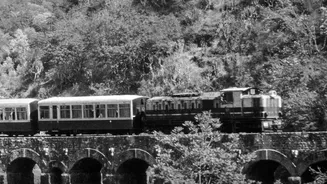
In July 2005, UNESCO officially recognised the Nilgiri Mountain Railway (NMR) as a World Heritage Site, adding it to the prestigious Mountain Railways of India. First proposed in 1854 and completed in 1908, this railway was a marvel of British engineering,
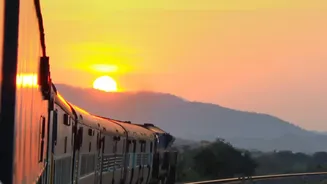
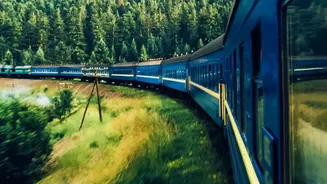
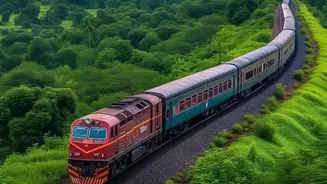
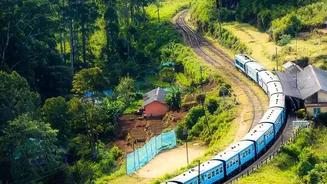
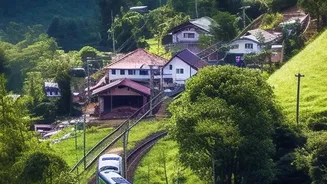
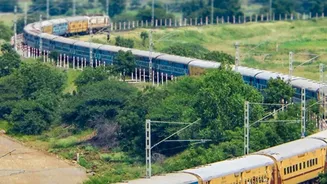
built to connect the plains of Mettupalayam with the high-altitude retreat of Udhagamandalam, popularly known as Ooty. Originally intended to transport goods and officials of the Madras Presidency, it quickly became a vital link for the developing hill stations and tea plantations. Today, riding the 'Toy Train', as it's affectionately called, feels like stepping into a colonial-era storybook, with its charming blue carriages and the rhythmic chug of the engine echoing through the hills.
An Engineering Marvel on a Steep Climb
What makes the NMR truly unique is its ingenious engineering. To conquer the steepest railway track in Asia, with gradients as sharp as 1 in 12.5, the train uses a special rack and pinion system. Between Mettupalayam and Coonoor, a toothed rack rail runs between the tracks, which a cogwheel on the locomotive engages to push the train up the steep inclines. This Swiss-designed 'Abt' system is the only one of its kind in India. For this section, the railway relies on classic 'X' Class steam locomotives, some of which are decades old but meticulously maintained, adding to the authentic heritage experience. Interestingly, the engine pushes the train uphill from the rear and leads from the front on the descent to ensure safety.
A Journey Through Breathtaking Scenery
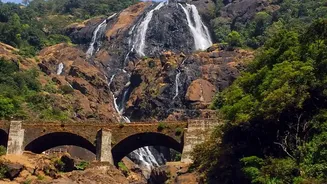
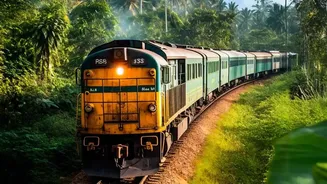
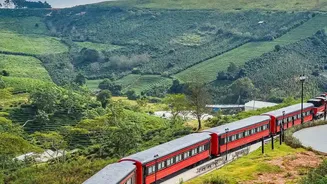
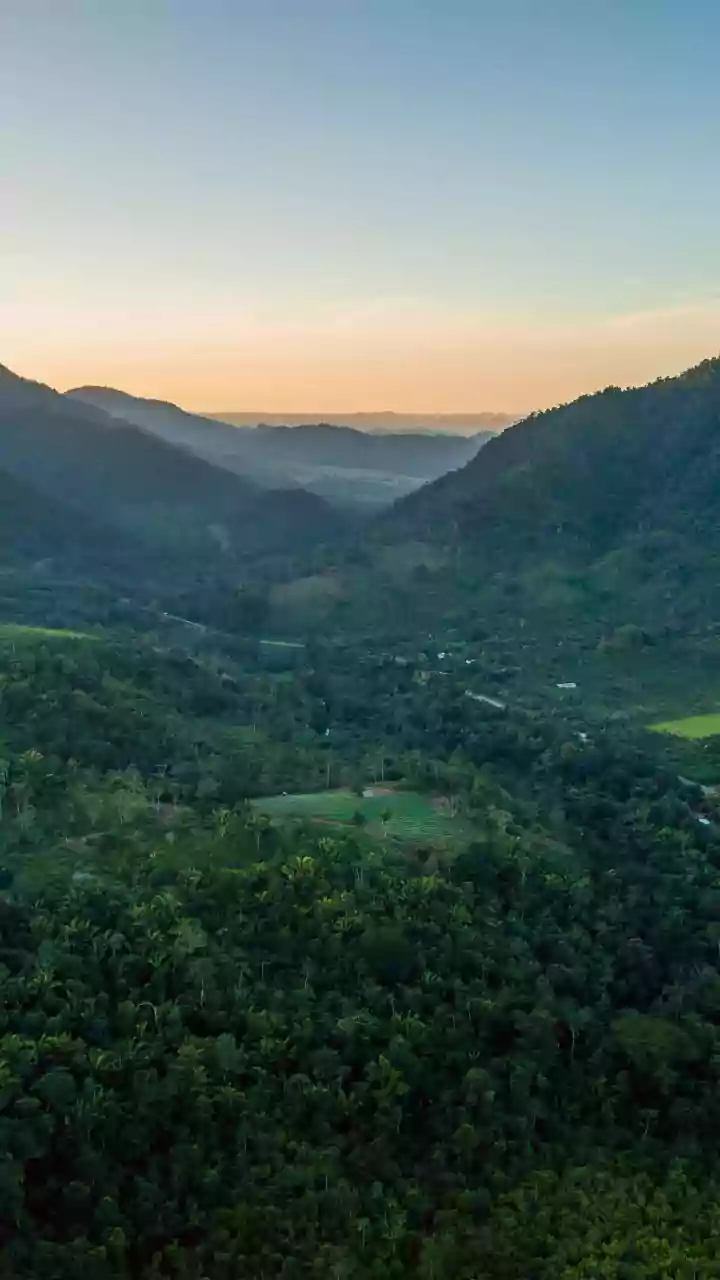
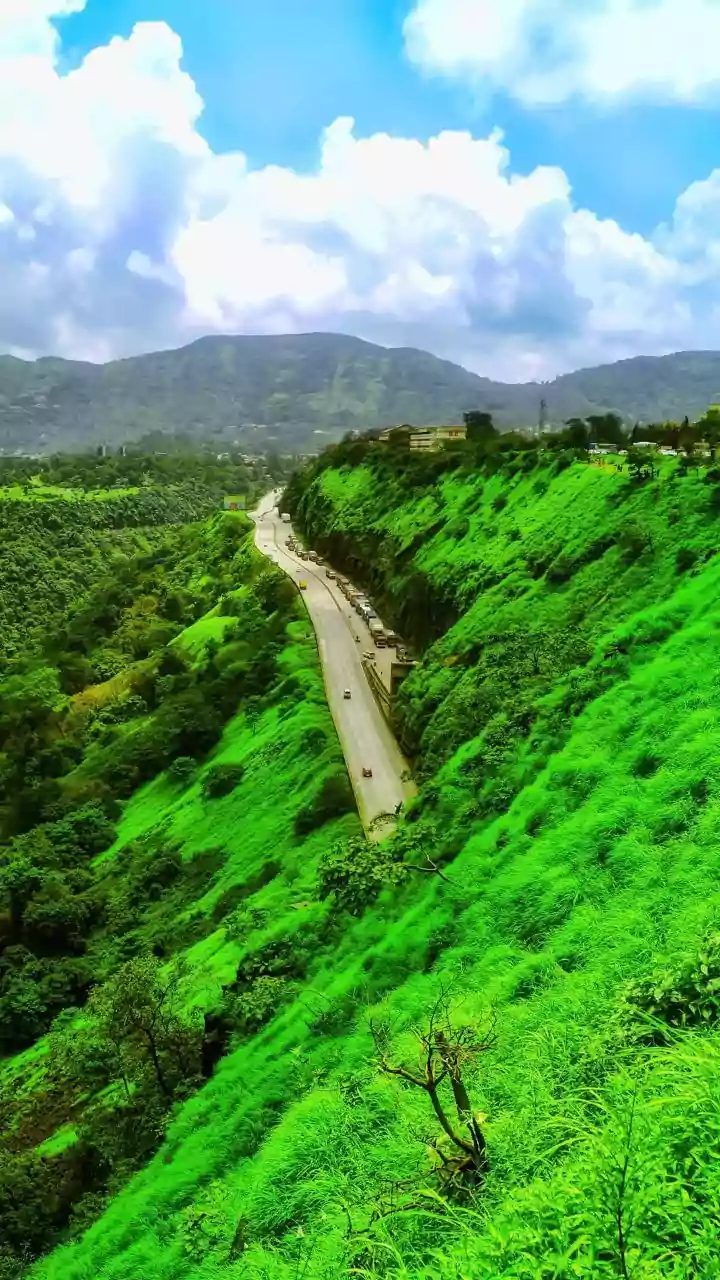
The 46-kilometre journey from Mettupalayam to Ooty is a visual feast, taking about five hours to complete. The train winds its way through 16 tunnels, across 250 bridges, and around 209 sharp curves. The route begins in the plains, passes through lush paddy fields, and then enters the dense, rocky terrain of the Nilgiri Hills. Passengers are treated to panoramic views of deep ravines, cascading waterfalls, and sprawling tea plantations that blanket the mountainsides. Key stations like Coonoor, Wellington, and Lovedale offer glimpses into quaint hill communities, making the slow-paced journey an immersive experience rather than just a means of transport. The changing landscapes provide endless photo opportunities and a deep connection with the natural beauty of the Blue Mountains.
World-Class Heritage That's Easy on the Wallet
Despite its world-class status and the high operational costs associated with maintaining vintage steam locomotives and a unique track system, the Nilgiri Mountain Railway remains remarkably affordable. As part of the Southern Railway network, its fares are regulated, keeping it accessible for both tourists and locals. According to fare information from early 2026, a second-class ticket for the scenic stretch from Coonoor to Ooty costs around ₹160. Even the full journey from Mettupalayam to Coonoor in second class is priced at about ₹200. While there was a modest 5% fare increase in February 2026 to help offset rising maintenance costs, the prices remain a fraction of what one might pay for similar heritage railway experiences in other parts of the world. This commitment to affordability ensures that this piece of living history can be enjoyed by everyone.