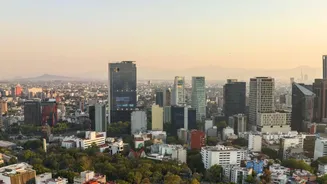




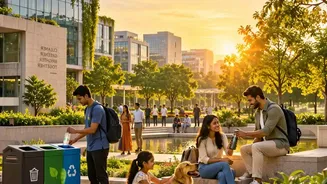
As dawn breaks over India's bustling cities, a quiet revolution unfolds. Amid the concrete, public parks are transforming from simple green patches into vibrant hubs of activity, essential for both personal health and social connection.
From Passive Spaces to Active Hubs
For decades, city
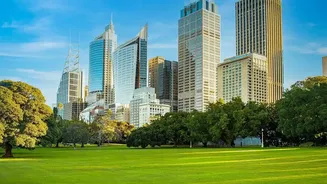
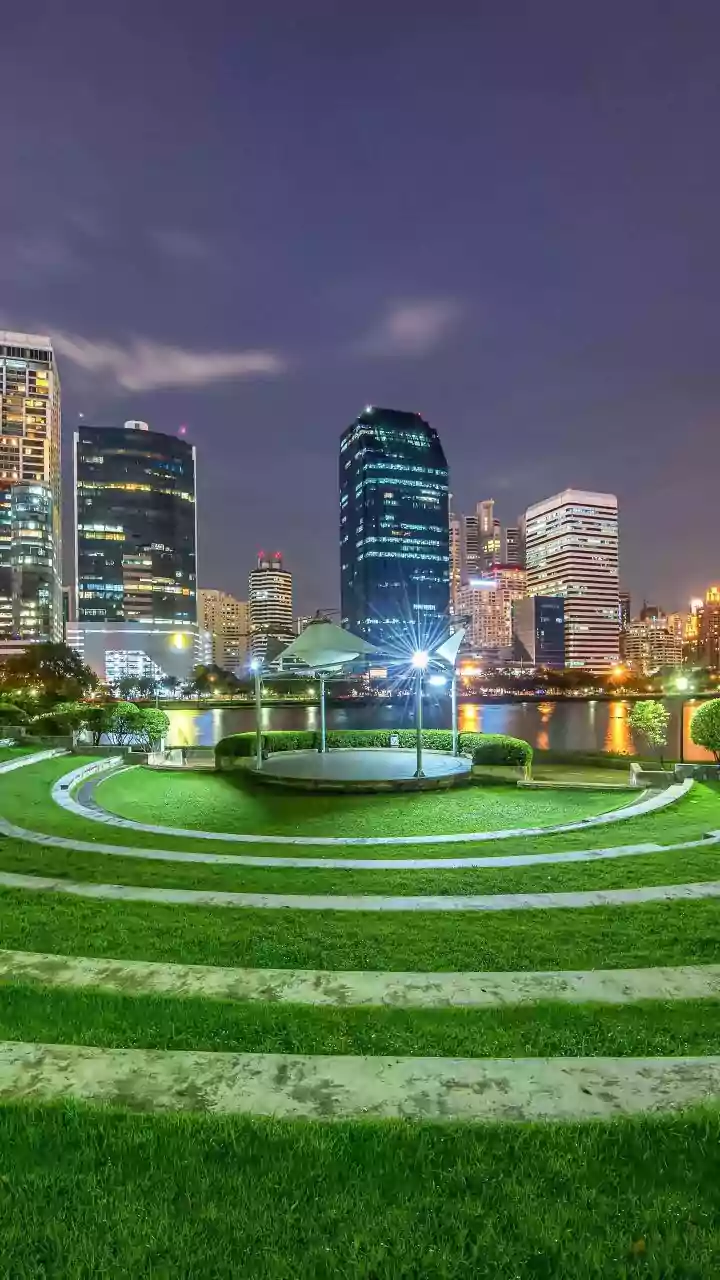
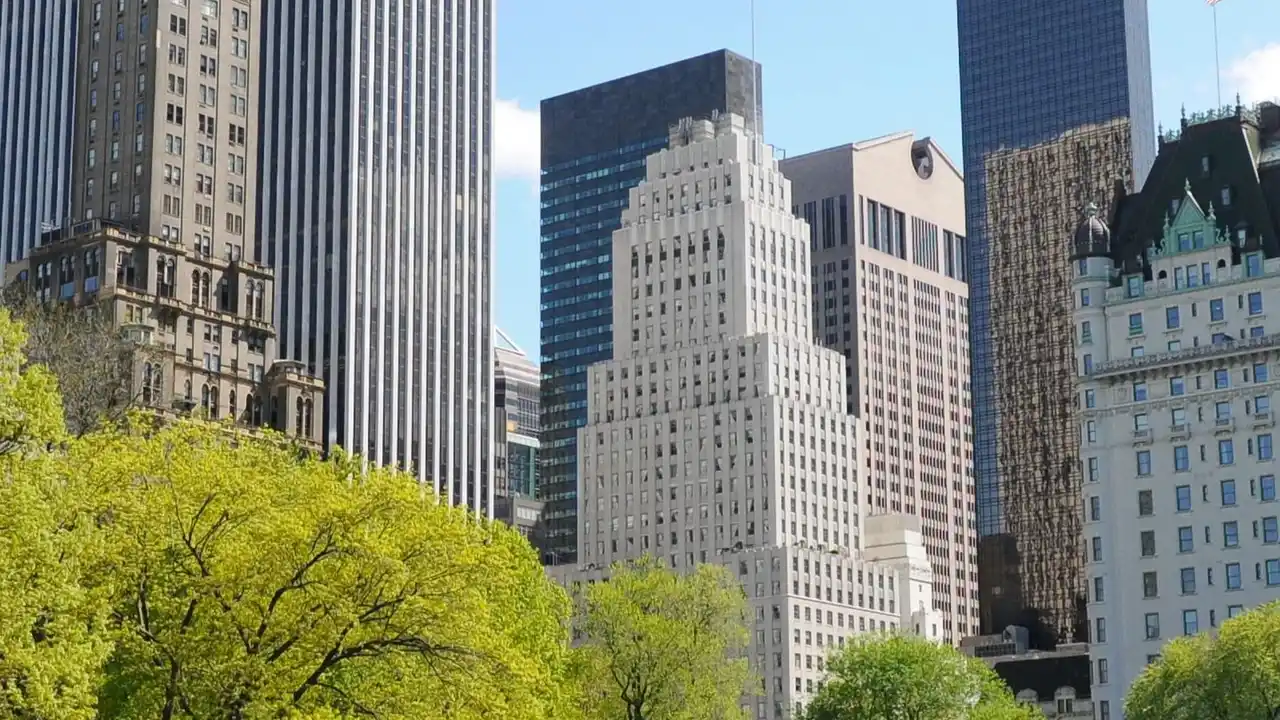
parks were seen as places for passive recreation—a quiet stroll or a moment of rest. Today, they are dynamic centres for active living. Responding to the pressures of urbanisation and a growing collective consciousness around wellness, municipal bodies and citizen groups have reimagined these spaces. Parks like Lodhi Garden in Delhi and Cubbon Park in Bengaluru are no longer just for leisurely walks; they are crucial components of the urban infrastructure, purposefully designed to promote health and social cohesion. This evolution reflects a broader understanding that green spaces are not a luxury but the 'lungs' of a city, vital for mitigating pollution, reducing stress, and fostering a sense of community.
The Open-Air Gymnasium
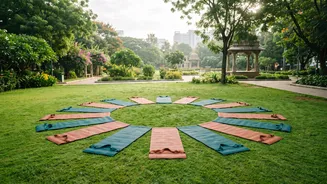
One of the most visible transformations is the rise of the 'open-air gym'. Across cities like Delhi, Mumbai, and Bengaluru, parks are now equipped with weather-proof fitness equipment, making exercise accessible to all, free of cost. This has removed the significant financial barrier of private gym memberships, encouraging a more diverse demographic to embrace fitness. Mornings and evenings see these areas buzzing with people of all ages performing calisthenics, using air-walkers, and strength training. This trend is complemented by the long-standing culture of jogging and walking, with dedicated tracks now a standard feature. Yoga circles and laughter clubs, fixtures in parks for years, now share space with high-intensity running groups and Zumba classes, creating a rich tapestry of wellness activities.
Nurturing Community Bonds
Beyond physical fitness, these parks are fertile ground for social connection. They serve as modern-day public squares where community bonds are forged. In Bengaluru's Cubbon Park, for instance, you can find the 'Cubbon Reads' group, where hundreds gather on weekends for silent reading sessions, fostering a unique sense of shared solitude and community. Similar groups for poetry, storytelling for children, and even Shakespearean play readings have found a home under the park's canopy. These activities, often organized organically through social media, bring together strangers with shared interests, turning anonymous urbanites into neighbours. From senior citizens finding companionship on park benches to young parents networking while their children play, parks facilitate interactions across different social and ethnic backgrounds.
A Multi_Generational Haven
The true success of India's urban parks lies in their multi_generational appeal. They are one of the few public spaces where toddlers, teenagers, adults, and seniors comfortably coexist. A typical park might feature a dedicated children's play area, a skate park for youths, jogging tracks for adults, and quiet, shaded benches for the elderly. This inclusive design ensures that every member of the family has a reason to visit, making the park a destination for family outings. This intermingling of generations fosters a sense of safety and shared ownership, creating a wholesome environment that supports the well_being of the entire community.
Sustaining the Green Lungs
Despite these positive developments, challenges remain. Issues of maintenance, safety (especially for women after dark), encroachment, and funding are persistent concerns for urban planners and residents. However, the increasing public reliance on these spaces has also fuelled citizen_led movements for their protection and upkeep. As cities continue to grow, the focus is shifting towards integrated planning where green spaces are considered essential infrastructure, as vital as roads and utilities. Research shows that even a small increase in green cover can have significant public health benefits, saving lives by reducing pollution and heat_island effects. The future of Indian cities may well depend on how effectively they can preserve and enhance these invaluable green oases.