

The Invisible Problem Underground
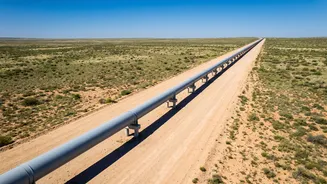
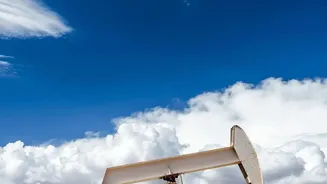
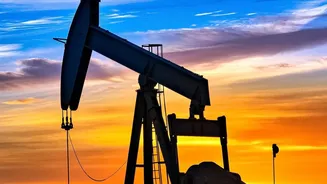
The Permian Basin, stretching across West Texas and southeastern New Mexico, is the engine of America's oil production. But its massive network of pipelines—over 2.4 million miles in the U.S.—presents a significant challenge. Methane, the primary component
of natural gas, is a potent greenhouse gas, with over 80 times the warming power of carbon dioxide over a 20-year period. Leaks from pipelines are a major source of these emissions. Particularly troublesome are intermittent leaks, which occur unpredictably due to pressure changes, equipment failure, or operational procedures. Traditional ground-based monitoring can easily miss these 'on-again, off-again' events, allowing huge quantities of gas to escape undetected. This lost gas is not just an environmental hazard; it represents billions of dollars in lost revenue for energy companies.
An Eye in the Sky: How Spectrometers See Methane
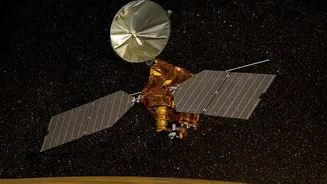
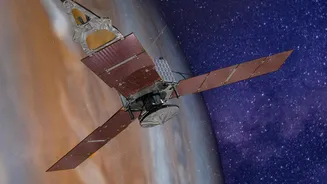
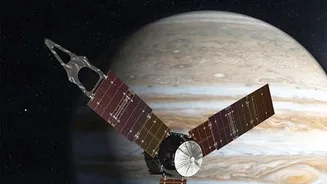
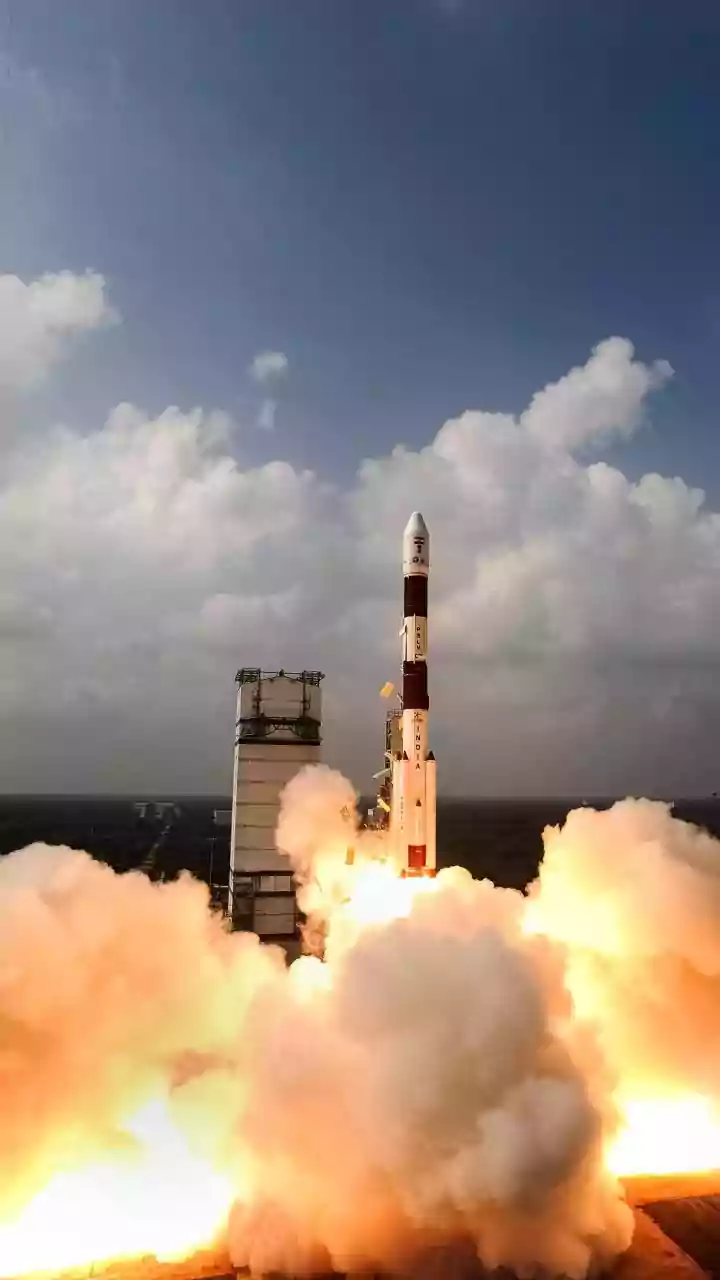
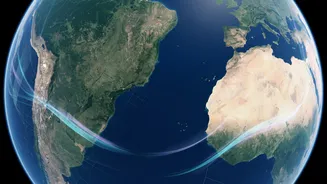
Making these invisible leaks visible requires a technological leap from the ground to orbit. Satellites equipped with advanced imaging spectrometers are changing the game. Think of it like a prism in reverse. While a prism splits white light into a rainbow, a spectrometer measures the unique 'fingerprint' of light reflected from the Earth's surface. Every gas in the atmosphere absorbs light at specific wavelengths. Methane has a distinct signature in the short-wave infrared part of the spectrum, which is invisible to the human eye. The spectrometer on board a satellite captures this light, and algorithms analyze it to detect the tell-tale signature of methane absorption. This allows scientists to not only see a methane plume but also to calculate its size and concentration.
From Data Point to Leak Location
Organizations like Carbon Mapper and MethaneSAT are deploying constellations of satellites to provide increasingly detailed and frequent monitoring. Some systems offer wide-area scans to identify regional hotspots, while others can zoom in with high-resolution imagery to pinpoint the exact facility, or even the specific piece of equipment, responsible for a leak. A recent report based on Carbon Mapper data identified 1,097 methane plumes in the Permian and two other basins between early 2025 and mid-2026, even linking specific 'super-emitter' sites to their operators. This tiered approach, combining broad surveillance with targeted investigation, is crucial. It allows for a rapid response, turning abstract data into actionable intelligence for repair crews on the ground.
The Permian Basin Under the Lens
The Permian is a primary focus for this technology for a reason. Studies have consistently shown that methane emissions in the basin are far higher than official estimates. One analysis by MethaneSAT found emissions were roughly four times higher than EPA figures for the region. Satellites have detected massive plumes, including one that stretched for two miles near Carlsbad, New Mexico. The ability of satellites like those in the GOES network to capture data as often as every few seconds is a breakthrough for catching intermittent events like pipeline blowdowns for maintenance, which release large amounts of methane in short bursts. This new level of transparency is creating a powerful incentive for operators to invest in better monitoring and repair practices, especially as the data becomes publicly available and draws regulatory scrutiny.
A New Era of Accountability
The advent of powerful, orbiting spectrometers marks a turning point in environmental accountability for the oil and gas industry. For decades, the true scale of methane leakage was difficult to quantify, often relying on self-reporting and infrequent ground surveys. Now, a persistent, objective eye in the sky can provide consistent and transparent data. This technology empowers regulators, investors, and the public to hold companies accountable for their emissions. While satellites are not a silver bullet—cloud cover can be an issue, and smaller leaks may still go undetected—they are a transformative tool. By making the invisible visible, they are creating a future where stopping these potent greenhouse gas leaks is not just an environmental goal, but a measurable and achievable business practice.