






The Unspoken Rules of Fandom
For millions in India, watching cricket is not a passive activity; it is a participatory ritual governed by a complex set of personal superstitions. The most common of these involves a self-imposed stillness. Fans remain frozen in their seats, sometimes
in uncomfortable positions, convinced that any movement could disrupt the cosmic balance and cause a wicket to fall. It extends to what one wears—a specific “lucky” jersey, perhaps the same one worn during the 2011 World Cup final, is a non-negotiable uniform for crucial matches. Some fans have designated “unlucky” friends who are playfully banned from watching matches, while others engage in “reverse jinxing,” loudly predicting failure for their favourite players in the hope that the opposite will occur. These are not just quirks; they are a fan's contribution to the national cause, an earnest attempt to will the team to victory from afar.
A Quest for Control
At its core, this widespread superstitious behaviour is a psychological coping mechanism. Cricket is a game of glorious uncertainty, and for fans who have no direct influence over the outcome, these rituals provide a much-needed illusion of control. Psychologists note that in high-stakes, unpredictable situations, humans naturally seek patterns and create routines to manage anxiety. When a fan sits in a particular spot and India wins, the brain forges a connection, however irrational. That action is now linked with success and is repeated in the future to replicate the positive result. It’s a way of feeling involved, of transforming nervous energy into something that feels productive. In a sport that serves as a proxy for national pride and emotion, these superstitions become a collective effort to steer destiny.
Even the Gods of the Game Believe
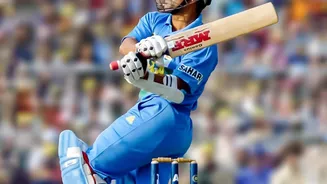
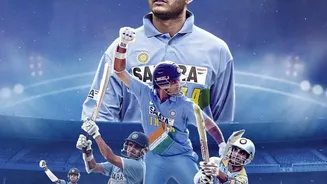
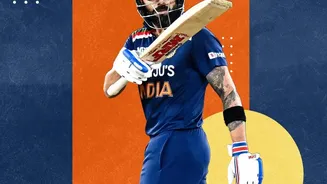
Fan superstitions are often a reflection of the players they idolise, many of whom are famously ritualistic themselves. The legendary Sachin Tendulkar was known for always putting on his left pad first before heading out to bat. Sourav Ganguly reportedly carried a picture of his guru in his pocket, while Zaheer Khan always kept a yellow handkerchief with him for luck. More recently, Virat Kohli has been known to stick with the same pair of gloves when he is in a rich vein of form. These habits are not just about luck; they are pre-performance routines designed to get an athlete into a state of mental focus and readiness. When fans see their heroes engaging in these rituals, it validates their own beliefs and strengthens the idea that perhaps, there are unseen forces at play that can be influenced with the right observance.
A Modern Secular Religion
Cricket in India transcends sport; it has often been described as a religion. In a nation of immense diversity, the sport acts as a powerful unifying force, creating a shared language and identity that cuts across class, caste, and region. The superstitions and rituals associated with it can be seen as a form of secular worship. The living room becomes a shrine on match day. Wearing the team jersey is akin to religious attire. The collective prayers, the nervous chants, and the promises made to deities in exchange for a victory all mirror religious practice. These actions are born from a deep, emotional investment in the team's success, which is intrinsically tied to national identity and pride. The shared experience of these rituals, whether performed in a crowded stadium or a solitary room, fosters a powerful sense of belonging and community among fans.