

The Foundation: What is Low-Water Gardening?
Low-water gardening, often called xeriscaping, is a design philosophy centred on water conservation. The goal is to create a stunning garden that requires minimal supplemental watering. This approach is particularly relevant for Indian homes, where summers
can be long and rainfall unpredictable. It’s not about planting only cacti and rocks. It’s a holistic method that involves intelligent planning, soil improvement, and selecting plants that are naturally suited to drier conditions. By grouping plants with similar water needs and using efficient watering methods, you can significantly reduce your garden's water consumption, save money, and create a resilient, low-maintenance landscape.
Smart Selection: How to Choose the Right Plants
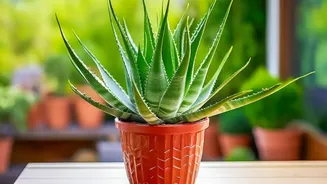
Choosing the right plants is the most crucial step. The key is to look for species that are adapted to thrive with less water. A great starting point is to explore native plants from your region. These plants have evolved over millennia to handle the local climate and soil, meaning they have deep root systems and require far less intervention. Look for plants with features that indicate low water needs: small, waxy, or hairy leaves which reduce moisture loss, or thick, fleshy leaves like those on succulents, which store water. Before buying, always research a plant's specific needs for sun, soil, and water to ensure it's a good fit for your garden's specific conditions. Grouping plants with similar needs together, a practice known as hydrozoning, is another smart strategy that prevents over- or under-watering.
Colourful and Hardy: Drought-Tolerant Flowers
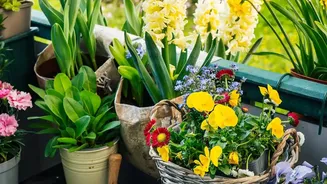
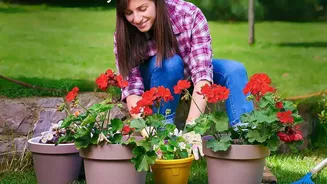
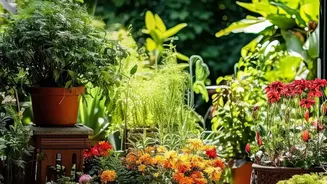
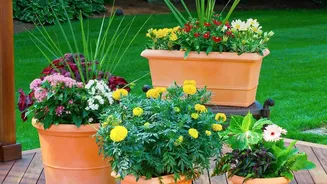
A water-wise garden can be bursting with colour. Many of India's most beloved and vibrant flowering plants are naturally drought-tolerant. Bougainvillea, for instance, thrives in the sun and produces spectacular bracts of colour with very little water. Lantana is another hardy shrub that attracts butterflies and blooms profusely in various colours with minimal care. Others like the cheerful Gaillardia (Blanket Flower), Portulaca (Moss Rose), and the ever-present Sadabahar (Catharanthus roseus) offer brilliant flowers even in hot, dry conditions. These plants prove that you don't need to sacrifice a vibrant floral display for the sake of water conservation; you just need to choose the right performers.
Functional and Green: Groundcovers and Shrubs
Beyond flowers, the right groundcovers and shrubs form the backbone of a low-water garden. Their primary role extends beyond aesthetics; they help suppress weeds and, most importantly, shade the soil to reduce water evaporation. Plants like Juniper or Spider Plant (Chlorophytum comosum) can create a dense, green carpet that requires significantly less water than a traditional lawn. Hardy shrubs like Oleander and Ixora can tolerate heat and limited watering while providing structure and long-lasting blooms. Even herbs like Lemongrass can serve a dual purpose, offering flavour for your kitchen while being a resilient, low-water plant in the garden. These functional greens are essential for a healthy, self-sustaining garden ecosystem.
Beyond the Basics: Soil, Mulch, and Watering
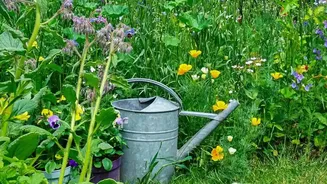
The success of your water-wise plants depends heavily on the environment you create for their roots. Start with the soil. Improving its structure with compost helps it retain moisture more effectively, allowing water to penetrate deeply and encourage strong root growth. The single most effective technique to conserve water is mulching. Applying a layer of organic material like wood chips, dried leaves, or straw over the soil surface works wonders. Mulch acts as a protective blanket, reducing evaporation, keeping soil temperatures stable, and preventing water-stealing weeds from growing. Finally, change how you water. Instead of frequent, shallow watering, water deeply but less often. This encourages roots to grow deeper in search of moisture, making plants stronger and more resilient to drought. Always water in the cool of the early morning to minimise evaporation.