





The Fire Before the Flood
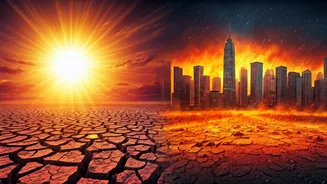
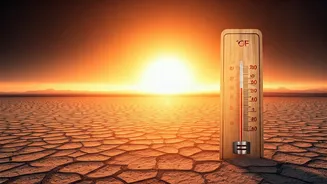
The memory of summer is still fresh. Delhi just sweltered through another brutal season, with ‘feels-like’ temperatures soaring towards 50 degrees Celsius. These are not just uncomfortable days; they are a public health crisis and an economic disaster.
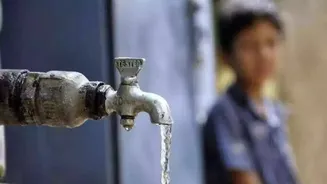
Hospitals report a surge in heat-related illnesses, power grids strain under record-breaking demand for cooling, and the city’s most vulnerable populations suffer disproportionately. The Yamuna, the city's lifeline, runs low, triggering severe water shortages even before the first rains. Existing Heat Action Plans, while a necessary first step, often feel like a reactive measure, offering temporary relief like cooling centres and advisories but failing to address the root cause: an urban environment that acts like a heat trap.
When Relief Turns to Ruin
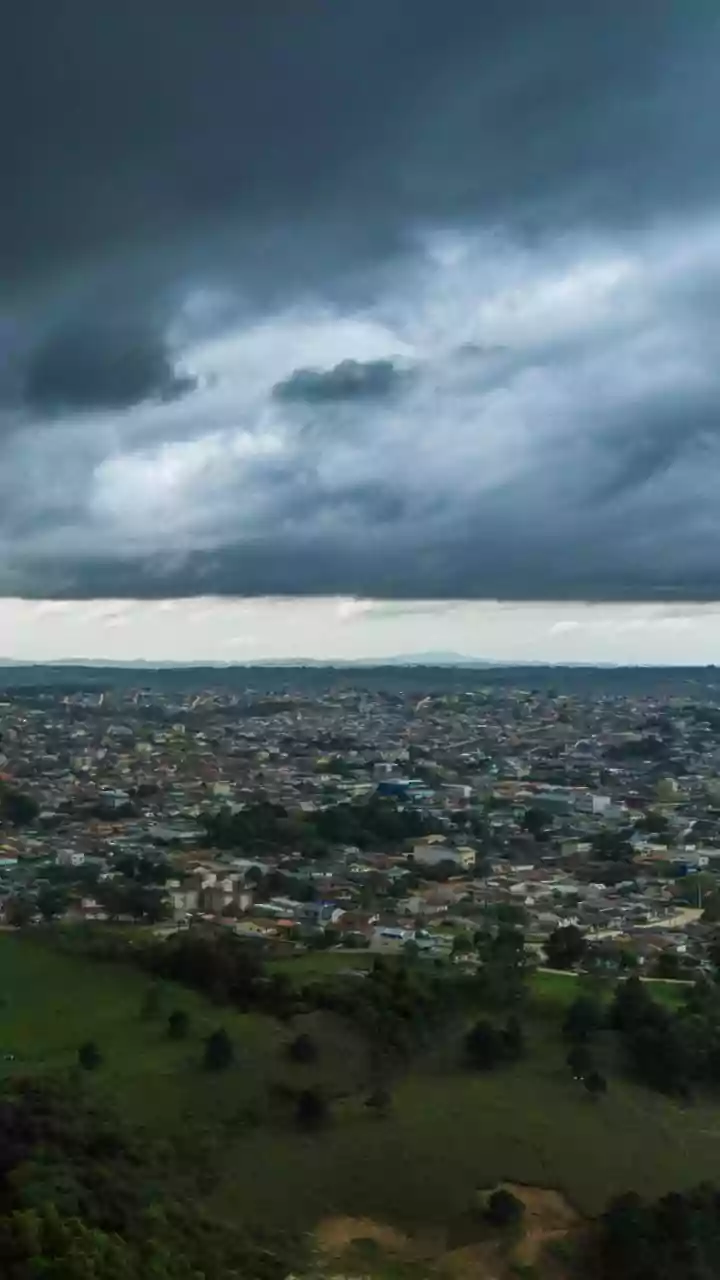
Then comes the monsoon. The forecast for the coming days promises rain, but for Delhiites, this brings a different kind of anxiety. Every year, the city’s relief from the heat is short-lived, as arterial roads turn into canals and neighbourhoods become marooned. The reasons are chronic and well-documented: an outdated drainage system designed for a city half its size, rampant concretization that prevents rainwater from being absorbed, and choked drains filled with silt and waste. Unplanned development has encroached upon natural floodplains and wetlands that once acted as sponges. As a result, even moderate rainfall can lead to widespread waterlogging, paralysing traffic and daily life. The official response is a frantic, last-minute desilting of drains, a band-aid on a wound that requires major surgery.
Two Crises, One Flawed System
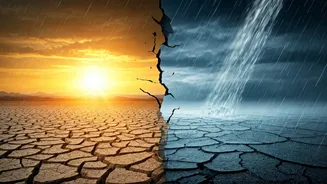
The critical mistake is treating extreme heat and monsoon flooding as separate, seasonal problems. They are two symptoms of the same disease: decades of poor urban planning that has ignored climate reality. The endless concrete and asphalt that create the ‘urban heat island’ effect, trapping and radiating heat, are the same impermeable surfaces that cause flash floods. The loss of green cover and wetlands not only makes the city hotter but also eliminates its natural capacity to absorb and store rainwater. We are fighting a war on two fronts with a strategy that guarantees we lose both. We pray for rain during a heatwave, only to curse it when it arrives. This is not a force of nature; it is a failure of design.
What an Integrated Strategy Looks Like
A unified strategy would recognise that the solution to flooding is also a solution to heat. The central idea is to treat rainwater as a resource, not a nuisance. This means aggressively implementing policies that are often discussed but rarely executed. Imagine a city where rainwater harvesting is mandatory and functional, not just a line item on a building plan. This water could be used to systematically recharge the depleted groundwater table, creating a buffer against summer water scarcity. We need to replace concrete with permeable pavements that allow water to seep through, and mandate green roofs and walls that cool buildings naturally while absorbing rainfall. Restoring Delhi’s lost water bodies and protecting the Yamuna floodplain are not just environmental nice-to-haves; they are critical infrastructure for climate resilience, acting as natural cooling systems and flood buffers.
From Crisis Management to Climate Resilience
This requires a fundamental shift in governance. Instead of multiple agencies working in silos—passing blame when drains clog or taps run dry—Delhi needs a single, empowered body overseeing an integrated heat and water resilience plan. The Draft Master Plan for Delhi to 2041 already contains many of these ideas, linking heat resilience with flood mitigation. The challenge is not a lack of solutions, but a lack of political and administrative will to implement them at scale. These long-term investments in green and blue infrastructure are more cost-effective than the annual economic losses from heat-related productivity decline and flood damage. It’s time to move beyond the yearly cycle of emergency responses and begin the systemic work of building a city that can withstand the climate of the 21st century.