




Reading the Pitch
One of the most practical reasons for the bat tap is to get a feel for the pitch itself. By tapping the surface, an experienced player can get immediate feedback on its condition. A hard, firm pitch will produce a sharp, solid sound, suggesting good pace
and consistent bounce. A softer, damper surface will have a duller thud, hinting that the ball might move slower or bounce less predictably. This quick assessment helps the batter anticipate how the ball will behave off the surface, informing their shot selection before the bowler has even started their run-up. It’s a subtle but crucial piece of data gathering in the split-second world of batting.
Marking Your Territory
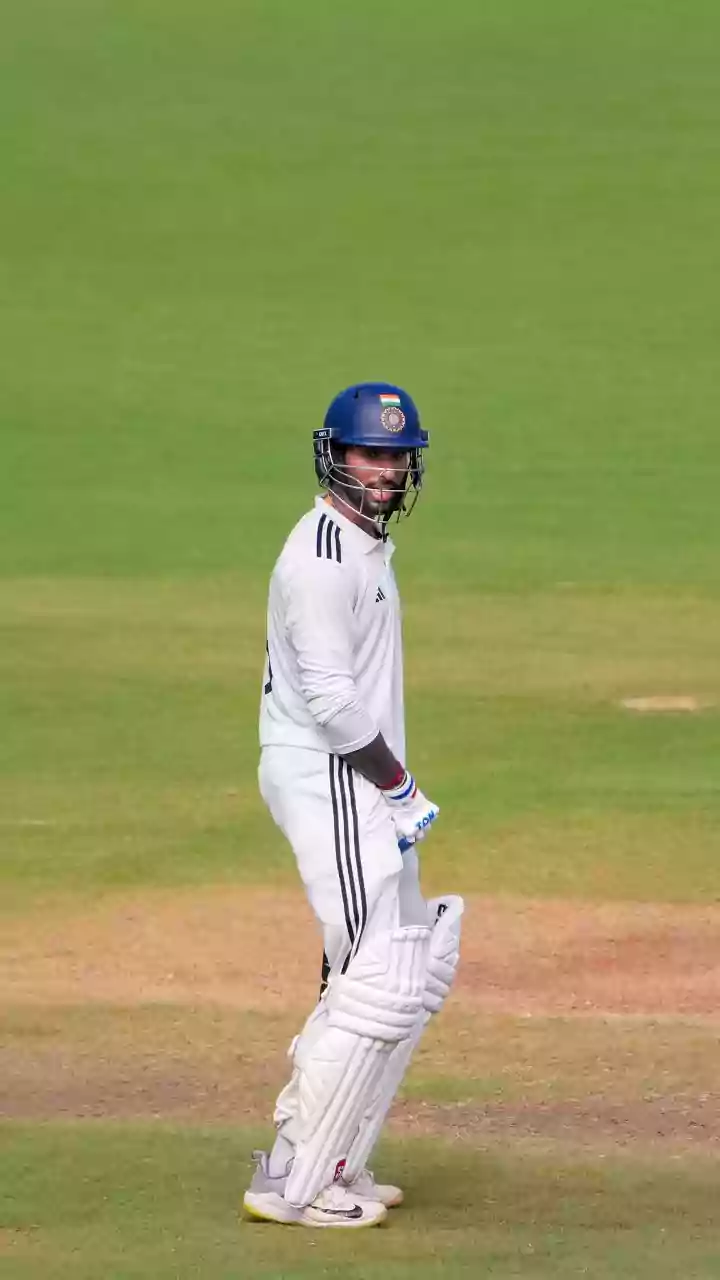
The bat tap is also an essential part of 'taking guard'. This is the process where a batter aligns themselves with the stumps to know exactly where they are standing in relation to their wicket. A batter will ask the umpire to confirm if their bat is in line with the leg, middle, or middle-and-leg stump. Once confirmed, they will scratch a small mark on the crease with their boot's spikes. The subsequent taps before each ball are often a way to reconnect with that mark, ensuring their feet and body are in the correct starting position. It provides a consistent reference point, which is vital for judging the line of a delivery and knowing which balls to play and which to leave.
A Bit of Gardening
Especially in longer formats like Test cricket, the pitch surface deteriorates over several days. The bowler’s follow-through and the impact of the ball can create small indentations, cracks, or loose bits of turf. Batters use the face of their bat to gently pat down these irregularities. This 'gardening', as it's sometimes called, is an attempt to smooth out any areas that might cause the ball to bounce erratically. While it can't fix major cracks, it can flatten a raised bit of turf or a spike mark that could otherwise cause a delivery to spit dangerously and catch the edge of the bat.
The Mental Game
Beyond the technical aspects, tapping the bat is a powerful psychological tool. For many players, it’s a core part of their pre-delivery routine—a small, repeatable action that helps them switch on their focus. In the high-pressure environment of a match, this ritual can reduce anxiety, regulate breathing, and help the batter enter 'the zone'. Much like a basketball player bouncing the ball before a free throw, the bat tap acts as a mental trigger. It helps the batter clear their mind of the previous delivery, steady their nerves, and focus entirely on the next ball.
Finding Rhythm and Timing
Cricket is a game of rhythm, and the bat tap helps a batter find theirs. The gentle, repetitive motion prepares the muscles in the hands, wrists, and arms for the explosive movement of the backlift and shot. It helps a batter feel the weight and balance of the bat, ensuring the bat face is ready and not stuck to the ground. This small movement is the start of a kinetic chain, synchronising the body's movements with the approaching bowler. It’s a preparatory action that ensures the backlift is smooth and timed perfectly to meet the ball with maximum effect.