


In an age of instant travel, the gentle, rhythmic chug of a mountain train offers a different kind of magic. For families, these journeys are more than a ride; they're an adventure, made thrilling by the very structures that make them possible.
An Adventure in Slow Motion
Unlike
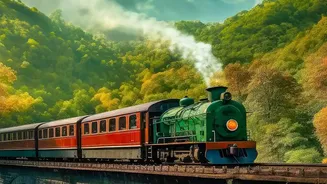
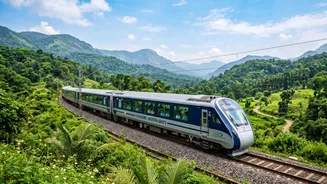
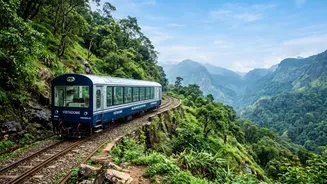
a flight or a fast-paced road trip, India’s mountain railways are a masterclass in slow travel. These journeys, often on narrow-gauge 'toy trains', prioritise the experience over speed. For families, this is a golden opportunity to disconnect from screens and reconnect with each other. The slow pace allows children and adults alike to truly absorb the scenery—the dense forests, terraced tea gardens, and mist-clad valleys that unfold outside the window. Aboard trains like the Darjeeling Himalayan Railway or the Nilgiri Mountain Railway, the journey itself becomes the destination. It’s a shared experience where the excitement isn’t just about arriving, but about the conversations, the shared snacks, and the simple joy of watching the world go by together.
The Thrill of Plunging into Darkness
There's a universal childhood excitement that comes with a train entering a tunnel. The world outside vanishes, replaced by darkness and the amplified roar of the engine. On a mountain railway, this experience is multiplied. The Kalka-Shimla Railway, a UNESCO World Heritage site, boasts 102 tunnels along its 96-kilometre route. Each tunnel is a moment of shared suspense for a family. Children gasp with delight, the sudden change in sound and light creating a sensory thrill. These brief moments of darkness are punctuated by the return of spectacular mountain light, making the views that follow feel even more dramatic. It’s a simple, recurring event that builds anticipation and provides a rhythm to the journey, turning a simple ride into a playful adventure.
Crossing Bridges to Breathtaking Vistas
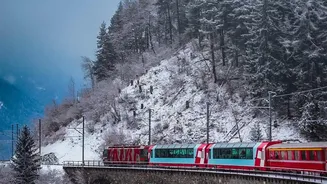
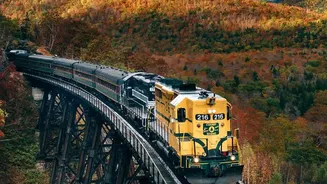
If tunnels provide the thrill, bridges provide the awe. India's mountain railways are feats of incredible engineering, featuring hundreds of bridges that span deep gorges and ravines. The Kalka-Shimla line alone has over 864 bridges, some of which are magnificent multi-tiered arched structures that look like Roman aqueducts clinging to the mountainside. As the train carefully edges over one of these viaducts, the world opens up below. Passengers get a bird's eye view of the valleys, rivers, and forests far beneath. For a family, this is a collective 'wow' moment—a chance to appreciate the scale of both nature and human ingenuity. The sound of the wheels changes, the pace slows, and everyone rushes to the window for a photo, creating a memory etched against a stunning backdrop.
A Living History Lesson
These railways are more than just transport; they are moving museums. Built during the British Raj, lines like the Nilgiri Mountain Railway and the Darjeeling Himalayan Railway are UNESCO World Heritage sites, preserved for their historical and engineering significance. Riding these trains is a journey back in time. The vintage carriages, the historic stations, and in some cases, the original steam locomotives, tell a story of a bygone era. For children, it’s a tangible connection to history that no textbook can provide. Parents can point out the engineering marvels—like the unique rack-and-pinion system on the Nilgiri line that helps the train climb Asia's steepest track—turning the trip into an engaging and educational experience. It sparks curiosity and offers a story behind every curve and bridge.