



More Than Just Rain and Puddles
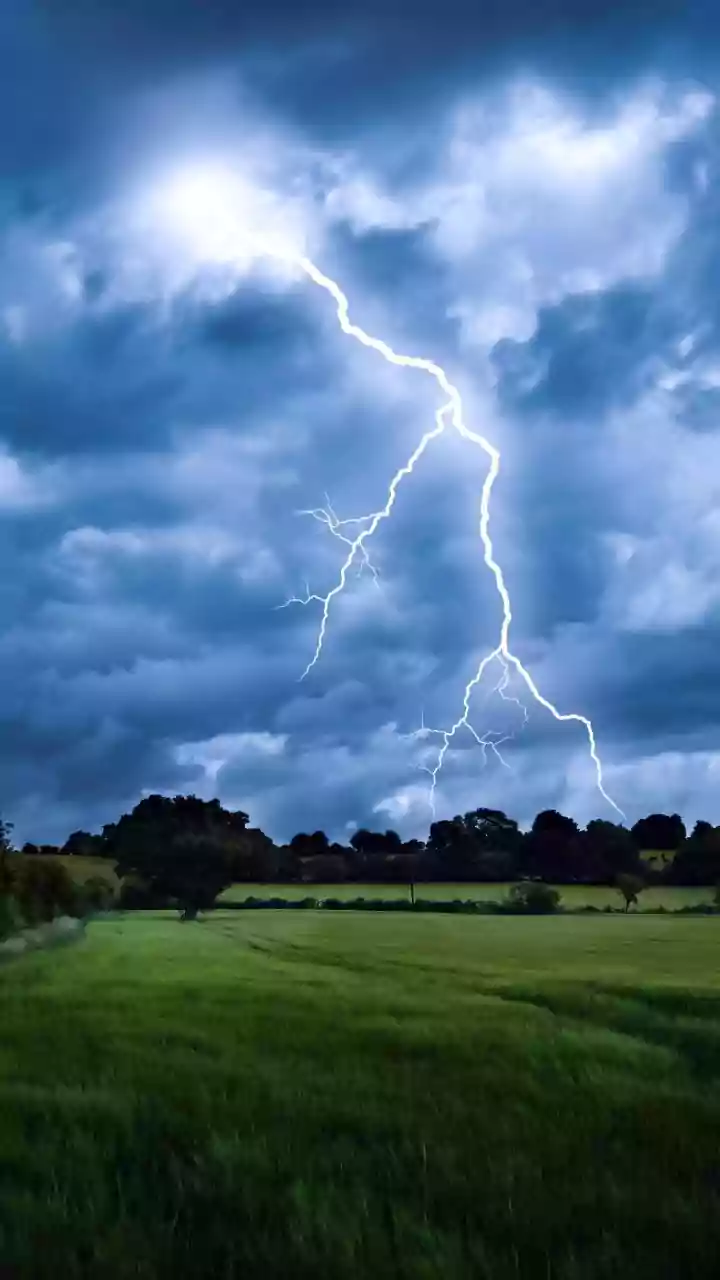
The conversation around monsoon commuting in India understandably focuses on flooding and potholes. However, strong winds introduce a different, more unpredictable element of risk. These are not gentle breezes; monsoon squalls can bring sudden, powerful
gusts capable of turning loose objects into dangerous projectiles, destabilising vehicles, and toppling infrastructure. This lateral force adds a layer of complexity to navigating city streets that rain alone does not. Unlike a flooded road, which is a visible and somewhat static obstacle, a strong gust of wind is invisible and momentary, catching commuters off guard with potentially severe consequences. This makes wind a unique threat that requires specific awareness and precaution.
The Peril for Two-Wheeler Riders
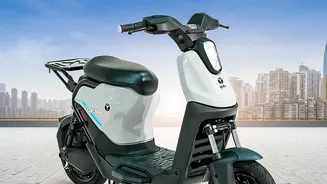
For the millions who rely on motorcycles and scooters for their daily commute, high winds are a significant threat. These vehicles lack the stability and weight of cars, making them extremely vulnerable to sudden crosswinds. A powerful gust can easily push a rider out of their lane, into the path of another vehicle, or cause them to lose control entirely. The risk is magnified when combined with wet, slippery roads, which drastically reduce tyre grip and increase braking distances. Furthermore, wind can blow rain directly into a rider's face, impairing vision even with a helmet visor. The combination of reduced stability, poor visibility, and slick surfaces makes riding a two-wheeler in windy monsoon conditions a high-risk activity that demands extreme caution.
Hidden Dangers for Pedestrians
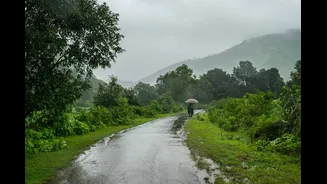
Pedestrians face a barrage of threats during a windy monsoon. The most obvious danger comes from above. Weakened tree branches, poorly secured construction materials, and unstable advertising hoardings can be torn loose by strong winds and fall onto footpaths and roads. In many Indian cities, where footpaths are already poorly maintained or encroached upon, pedestrians are often forced to walk on the road, exposing them to traffic as well as wind-related hazards. A sudden gust can also make it difficult to maintain balance, especially for the elderly or when carrying an umbrella, which can act like a sail. Downed power lines, often a result of falling trees or poles, create an invisible but lethal risk of electrocution in waterlogged areas.
Risks for Cars and Public Transport
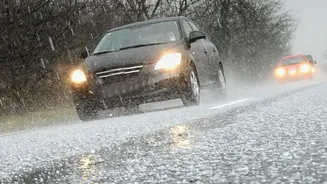
While four-wheelers offer more protection, they are not immune to the dangers of high winds. Strong gusts can still affect the stability of high-profile vehicles like SUVs, vans, and buses, making it harder to stay in a lane. The primary risk, however, is from external factors. Falling trees and large branches are a common cause of vehicle damage and injury during monsoons. Wind-driven rain can reduce visibility to near zero in seconds, creating conditions similar to a dust storm. This makes it difficult to spot hazards like debris on the road or other vehicles. For public transport, these conditions can lead to route diversions, delays, and, in severe cases, service cancellations, leaving commuters stranded.
How to Navigate Your Commute Safely
The best decision you can make in severe weather is often to postpone travel until conditions improve. If you must commute, check the weather forecast from a reliable source like the IMD before you leave. For all commuters, reduce your speed significantly and increase the distance between yourself and the vehicle in front of you. Two-wheeler riders should maintain a firm grip on the handlebars and consider finding a safe place to stop and wait out intense gusts. Car drivers should keep both hands on the wheel and be particularly wary when passing larger vehicles, which can create a sudden wind block or be pushed by a gust. As a pedestrian, be aware of your surroundings, stay clear of unstable structures and trees, and avoid walking through pooled water where downed wires could be hidden.