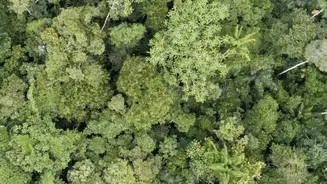








On any long drive across India, a comforting blur of green lines the highway. But what are we really seeing? While this roadside vegetation is resilient, the true botanical treasures—rare, delicate, and endemic—are found elsewhere.
The Hardy Highway Survivors
The plants you see thriving
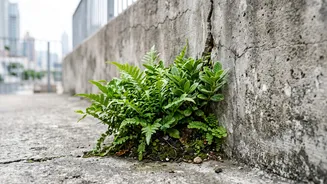
along bustling highways are the opportunists of the botanical world. They are typically hardy generalists, built to withstand pollution, disturbed soil, and constant disruption. Many of these are invasive species, introduced accidentally or for ornamental purposes, which have since run wild. Species like Lantana camara, with its colourful but treacherous flowers, and the notorious Parthenium (or 'Congress grass') are common sights. These plants spread rapidly, often forming dense thickets that muscle out other vegetation. Roads and highways act as superhighways for these invaders, whose seeds are easily spread by vehicles and wind, creating a uniform and aggressive green carpet that lacks true diversity.
Sanctuaries as Living Laboratories
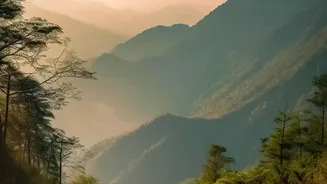
In stark contrast, protected areas like national parks and wildlife sanctuaries are carefully managed zones of stability. They act as living laboratories where evolution can proceed with minimal human interference. The soil is healthier and its complex web of fungi and microbes remains intact. The air is cleaner, and the environment is free from the constant stress of traffic and construction. This stability allows highly specialised and sensitive plants to flourish. These species often have intricate relationships with specific pollinators, soil types, or microclimates—conditions that are impossible to replicate along a busy road. Sanctuaries aren't just about protecting animals; they are critical for safeguarding entire ecosystems, including the plant life that forms their foundation.
India's Botanical Crown Jewels
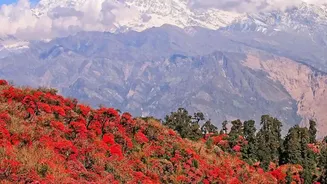
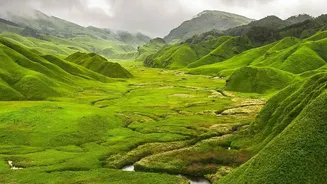
The real botanical diversity of India is tucked away in these protected havens. The Western Ghats, a global biodiversity hotspot, is home to thousands of endemic plant species, meaning they are found nowhere else on Earth. Sanctuaries here protect rare flora like the famous Neelakurinji, a shrub that flowers spectacularly only once every twelve years. The Megamalai Wildlife Sanctuary in Tamil Nadu alone is home to over 100 endemic flowering plants, including numerous rare orchids and balsams. In the Himalayas, sanctuaries like the Shingba Rhododendron Sanctuary in Sikkim were created specifically to protect endemic species like the Rhododendron niveum. Further east, Meghalaya’s Baghmara Pitcher Plant Sanctuary protects a unique carnivorous plant. These species are not just beautiful; they are a priceless part of India's natural heritage.
Why This Difference Matters
The contrast between roadside flora and sanctuary flora highlights a critical ecological issue: habitat loss and fragmentation. Roads, while essential for development, slice through natural landscapes, creating 'edge effects' that degrade habitats and help invasive species spread deep into forests. This process pushes out native plants, some of which may have undiscovered medicinal or scientific value. Rare and endemic plants are often indicators of an ecosystem's health. Their disappearance signals a broader decline in biodiversity that affects everything from insects to birds and mammals. Protected areas serve as the last refuge for this irreplaceable genetic diversity, acting as reservoirs that may one day be needed to restore degraded landscapes.