


A Taste of History
Parsi clubs, established across India from the mid-19th century, are more than just social hubs; they are bastions of a unique culture. Originally founded for sporting pursuits like cricket, these institutions quickly became the heart of community life,
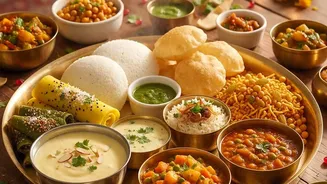
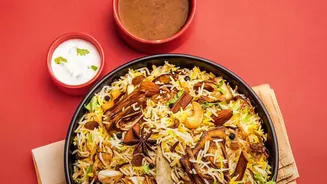
preserving traditions, fostering connections, and, most importantly, perfecting a distinct culinary identity. For generations, the kitchens of clubs in Mumbai, Kolkata, and beyond have been custodians of recipes passed down through families. This ninety-year legacy isn't about one static recipe book but a philosophy of flavour that has been lovingly maintained through countless Sunday lunches and festive gatherings. Food here is an event, a source of comfort, and a direct link to the community's Persian roots and its deep integration into Indian life.
The Unlikely Star: Kathal
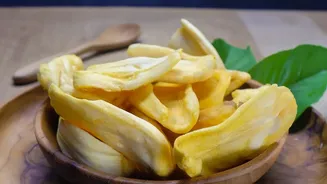
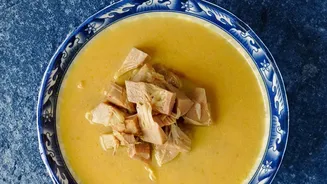
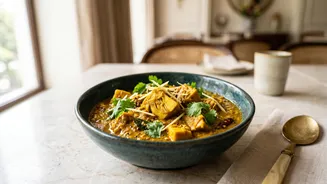
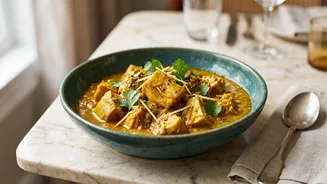
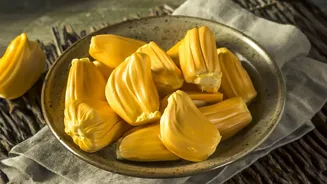
While Parsi cuisine is celebrated for its masterful meat and egg dishes like Sali Boti and Akuri, its vegetarian offerings tell a fascinating story of adaptation. Raw jackfruit, or kathal, with its fibrous, meat-like texture, was the perfect canvas for Parsi cooks. In a cuisine that brilliantly blends influences, kathal became a star substitute, absorbing the rich, complex gravies typically reserved for lamb or chicken. This allowed vegetarian members and guests to experience the quintessential Parsi flavour profile without compromise. The preparation of kathal in this style elevates it from a simple vegetable curry to a celebratory dish, worthy of a place on the club's storied menu.
The Quintessential Parsi Touch
So, what exactly does a ninety-year legacy add to a recipe? The secret lies in the 'Tikhu-Khatu-Mithu' trinity—the perfect balance of spicy, sour, and sweet that defines Parsi cooking. This is achieved through a delicate dance of ingredients honed over decades. A typical Parsi kathal curry will feature the sourness of sugarcane vinegar, the subtle sweetness of jaggery or apricots, and the warmth of a proprietary masala blend. This spice mix, often a closely guarded secret, is far more complex than a standard garam masala. It carries echoes of Persian flavourings with the robust spices of the Indian subcontinent, creating a depth that cannot be rushed. It’s this signature balance, perfected over time, that makes the dish unmistakably Parsi.
The Parsi Club Kathal Recipe
This recipe embodies the spirit of the club kitchens. First, prepare 500g of raw kathal, cut into chunks. It's often fried until lightly browned to enhance its texture. The base of the gravy starts with ghee, into which whole spices like cinnamon, cloves, and cardamom are sizzled. Finely chopped onions are sautéed until golden, followed by a ginger-garlic paste. The key is the spice blend: add turmeric, red chilli powder, and a generous amount of Parsi dhansak masala. Next, tomatoes are cooked down before the fried kathal is added. The 'khatu-mithu' element comes from a tablespoon of sugarcane vinegar and a teaspoon of jaggery. Water is added, and the curry is slow-cooked until the kathal is tender and has absorbed the flavours of the rich gravy. It's often finished with fresh coriander and sometimes served with a garnish of crispy potato straws known as 'sali'.