




The Challenge That Engages Brain and Body
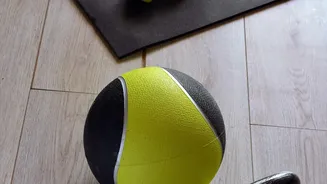
In a recent social media post, Shilpa Shetty demonstrated a coordination drill using one or two small balls. The exercise involves standing, often on one leg, while catching and throwing the ball(s). This requires quick reflexes, hand-eye coordination,
and immense focus. By progressing from a stable two-footed stance to a more challenging single-leg balance, the routine intensely targets the body's ability to remain stable while performing a complex motor task. Shilpa described it as a way to get the body and brain working together, highlighting its benefits for focus and coordination.
The Science of Balance and Proprioception
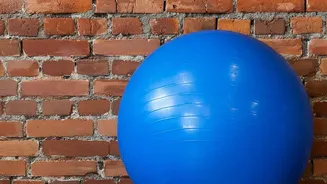
This type of exercise is a powerful tool for improving proprioception—your body's awareness of its position in space. Simply sitting or balancing on an unstable surface, like a large stability ball or even on one leg, forces your deep core muscles and smaller stabilising muscles to activate. These are muscles that traditional strength training often misses. The unstable environment created by the ball or the single-leg stance requires constant micro-adjustments from your nervous system and muscles to maintain equilibrium, effectively training your balance at a fundamental level.
Why Timing and Coordination Are Crucial
The 'timing' aspect of Shilpa's drill—reacting to the thrown ball—is what elevates it from a simple balance exercise to a comprehensive neuromuscular workout. This challenges the connection between your brain and muscles, improving motor control and reaction time. Such activities require cognitive flexibility, where the brain must adapt and respond to changing movement patterns instantly. By practicing drills that combine physical movement with mental engagement, you are not just building muscle; you are fostering a more efficient and responsive connection between your mind and body. This is functional fitness in action, building skills that translate directly to daily activities and help prevent falls and injuries.
More Than Just a Celebrity Trend
While Shilpa Shetty brings star power to the concept, the use of balls in fitness is a well-established practice. Stability balls, also known as Swiss balls or physio balls, are versatile tools used in physical therapy and advanced athletic training. They are effective for strengthening the core, improving posture, and increasing flexibility. Exercises like planks, leg curls, or even dumbbell presses become significantly more challenging when performed on a stability ball because your body has to work harder to maintain balance. This constant engagement of stabiliser muscles leads to a stronger, more integrated core and better overall body control.
How to Incorporate Ball Exercises Safely
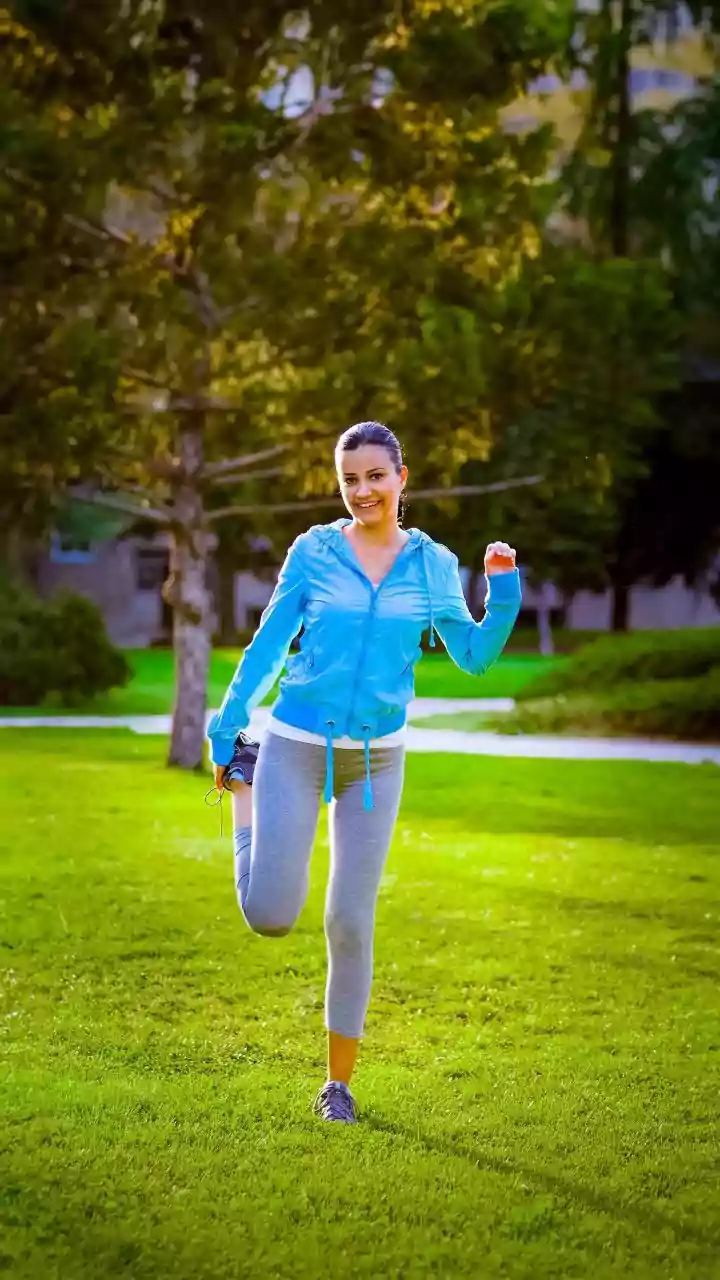
Inspired to try it yourself? The key is to start slow and prioritise safety. For a drill like Shilpa's, begin with two feet firmly on the ground in an open space. Focus on the hand-eye coordination of tossing and catching before you add the balance challenge. When you feel ready to progress, try lifting one foot for just a few seconds at a time, using a wall or sturdy chair for support if needed. If using a larger stability ball, ensure it is the correct size for your height—your knees should be at a 90-degree angle when you sit on it. Always focus on controlled movements and proper form to prevent injury.