




What Is A Sensory Track?
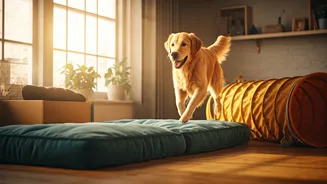
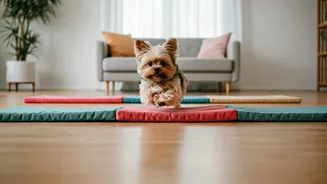
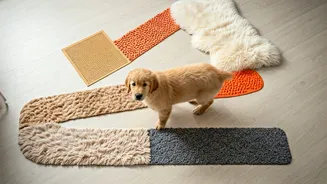
Imagine a miniature obstacle course for your dog's paws and nose. That’s essentially what a sensory track is. Instead of focusing on running or jumping, these paths are designed to provide varied tactile experiences. By laying out a sequence of mats and objects
with different textures—like bumpy rubber, soft artificial grass, smooth vinyl, and crinkly surfaces—you create a novel environment that encourages your pup to explore. The goal isn't physical exhaustion but mental engagement. As your dog walks across the different surfaces, they are forced to think about where they are placing their paws, process new sensations, and build confidence with unfamiliar textures. This kind of enrichment is especially valuable for city-dwelling dogs or during rainy seasons when long outdoor adventures aren't possible.
Brain Games For Your Best Friend
A bored dog is often a mischievous one. Sensory stimulation is a powerful tool against boredom-related behaviours like destructive chewing, excessive barking, or anxiety. When a puppy's brain is actively engaged in processing new information, it has less capacity for stress and restlessness. According to veterinary behaviourists, this type of enrichment helps build neural pathways, improving a dog's learning ability and problem-solving skills. For puppies, early exposure to varied textures in a safe, controlled way can also prevent future fears or phobias of walking on unusual surfaces like grates, wet grass, or different types of flooring. It’s like sending your pup to a development workshop, helping them grow into a calmer, more confident, and well-adjusted adult dog. It enriches their world by making their immediate environment more interesting.
Building Your DIY Sensory Path
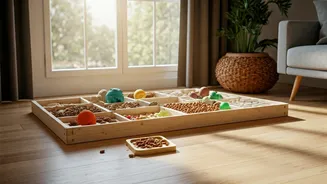
Creating a sensory track doesn't require expensive equipment. You can start with items you may already have at home or can find cheaply. The key is variety and safety. Begin by gathering a few different mats. Good options include a rubber welcome mat with a raised pattern, a square of artificial turf, a yoga mat for a smooth but grippy surface, and a shallow tray filled with smooth, large pebbles (too big to swallow). You can also incorporate a folded towel or a fluffy blanket. Arrange these items in a line or a gentle curve in a clear area of your home, like a hallway or living room. Ensure each mat is secure and won't slip when your pup steps on it. The path should be inviting, not intimidating.
Safe Materials vs. Potential Hazards
Safety is paramount. Only use materials that are non-toxic and durable. Your pup will likely sniff, lick, and maybe even try to nibble the items, so everything must be puppy-proof. Safe materials include food-grade silicone mats, natural rubber, tightly woven fabrics, and smooth, oversized stones. Avoid anything with small, detachable parts that could be a choking hazard. Steer clear of splintery wood, sharp-edged plastics, or mats made with harsh chemical dyes. Also, be mindful of textures that could snag your pup’s nails. Always supervise your dog while they use the sensory track. This is an interactive activity, not a set-it-and-forget-it toy. Supervision ensures they are using it safely and allows you to gauge which textures they enjoy most.
First Steps On The Track
Introduce the track slowly and positively. Don't force your puppy onto it. Instead, let them approach and investigate on their own terms. Lure them towards the first mat with a high-value treat or a favourite toy. When they place a paw on the new surface, praise them enthusiastically and reward them. Use an encouraging tone of voice. Guide them from one texture to the next, rewarding each successful step. Keep initial sessions short and fun—just a minute or two is plenty. The goal is to build a positive association. If your pup seems hesitant about a particular texture, don't push it. You can remove it for now and try reintroducing it later.