





Why Fiber is Suddenly Cool
For years, dietary fiber was the unglamorous part of nutrition, associated mainly with digestive regularity. But a significant shift is underway. A growing awareness of gut health, coupled with a desire to return to more traditional, whole-food-based
eating patterns, has put fiber in the spotlight. In India, this trend represents a powerful rediscovery of our own culinary heritage. As we move away from highly processed and refined foods, we are finding that the answers to modern health issues like blood sugar management and sustainable weight control often lie in the dals, millets, and vegetables that have been staples for generations. This isn't about a fleeting diet fad; it's a conscious move toward building long-term, sustainable health from the inside out.
The Two Types of Fiber Explained
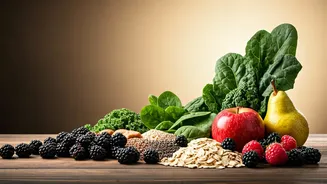
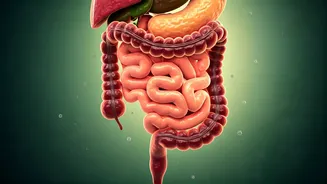
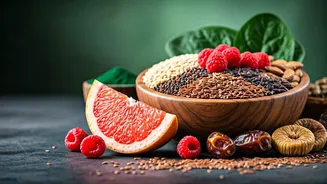
Understanding fiber doesn't require a science degree. Think of it in two simple categories. First, there's soluble fiber, which dissolves in water to form a gel-like substance in your digestive system. It's brilliant for lowering cholesterol and stabilising blood sugar levels. You'll find it in oats, barley, apples, citrus fruits, and most dals. Then there's insoluble fiber. This type does not dissolve in water. Its main role is to add bulk to stool, acting like a natural 'scrubbing brush' that promotes regularity and prevents constipation. It’s abundant in whole grains like atta and jowar, nuts, beans, and vegetables like carrots and cucumbers. A healthy diet needs a good balance of both for optimal gut health and overall wellness.
Benefits Beyond Better Digestion
While improved digestion is a well-known perk, a high-fiber diet offers a wealth of other benefits. One of the most significant is its impact on satiety—the feeling of being full and satisfied after a meal. Because fiber slows down digestion, it helps you feel full for longer, which can be a powerful tool for managing weight without feeling deprived. Furthermore, soluble fiber plays a crucial role in heart health by helping to lower 'bad' LDL cholesterol levels. It also helps manage blood sugar spikes, making it particularly beneficial for those with or at risk of type 2 diabetes. Essentially, a diet rich in fiber works quietly behind the scenes to support your body's most critical systems.
Easy Ways to Boost Your Fiber Intake
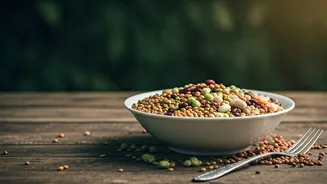
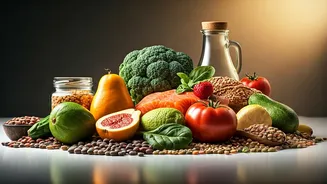
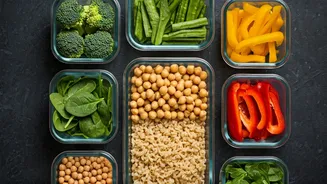
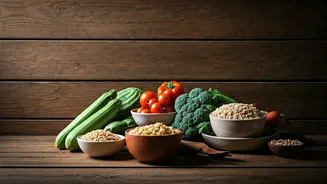
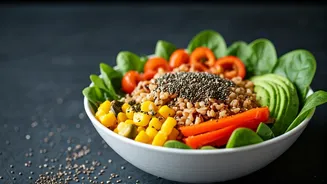
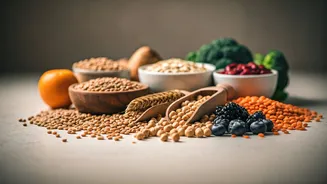
Making your diet more fiber-rich is easier than you think, especially with the incredible diversity of Indian cuisine. Here are some simple swaps and additions: * Embrace Millets: Swap refined white rice with nutrient-dense millets like jowar, bajra, or ragi for your rotis and porridges. * Love Your Legumes: Make dals, chana, and rajma a daily feature. They are powerhouse sources of both fiber and protein. * Go for Whole Grains: Choose whole wheat (atta) bread and pasta over their white flour counterparts. * Eat the Rainbow: Add a variety of local, seasonal vegetables to every meal. Don't peel fruits like apples and pears, as much of the fiber is in the skin. * Snack Smarter: Reach for a handful of nuts, a piece of fruit like a guava, or some roasted chickpeas instead of packaged snacks.
A Word of Caution: Go Slow
While the benefits are clear, it's important to increase your fiber intake gradually. A sudden, dramatic jump can lead to uncomfortable bloating, gas, and cramping as your digestive system adjusts. The key is to make small, sustainable changes over a few weeks. Equally important is to increase your water intake. Fiber works best when it has plenty of fluid to absorb, which helps it move smoothly through your digestive tract. So as you add more fibrous foods to your plate, make sure you’re also refilling your water bottle throughout the day.