

What Exactly Is ‘Ghotala’?
In Hindi, the word 'ghotala' amusingly translates to 'scam' or 'mess'. This perfectly describes the dish, which is a glorious, mashed-up medley of ingredients cooked together. The name is believed to have been a clever marketing tactic by street vendors
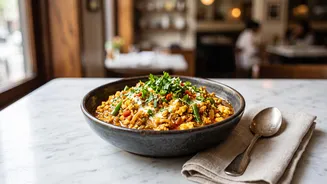
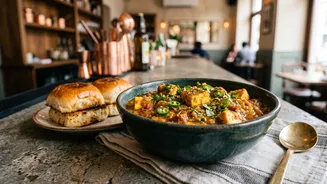
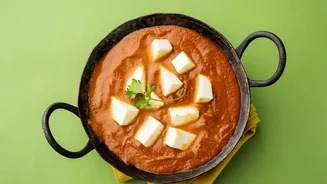
to make their dish stand out. Originally, the most famous version is Anda Ghotala, made with eggs cooked in multiple ways—scrambled, boiled, and sometimes topped with a fried egg—all mixed into a spicy gravy. The concept originated on the streets of Surat before gaining immense popularity in Mumbai and beyond. Paneer Ghotala is the brilliant vegetarian adaptation of this classic, swapping eggs for soft, crumbly paneer to create a dish with a similarly rich and satisfying texture.
From Street Food Staple to Home Favourite
While Anda Ghotala remains a non-vegetarian favourite, Paneer Ghotala has carved out its own loyal following. It offers a comparable experience, with grated paneer mimicking the texture of scrambled eggs in a rich, flavourful base. This version is often seen as a close cousin to Paneer Bhurji, but there are distinct differences. Ghotala often includes vegetables like capsicum, and some street-style versions are enriched with pav bhaji masala and even cheese for extra indulgence, which are less common in traditional bhurji. The beauty of this dish is its adaptability; what was once a late-night street food delight is now an easy-to-make comfort food perfect for any meal, from a hearty breakfast to a quick weeknight dinner.
Gather Your Ingredients
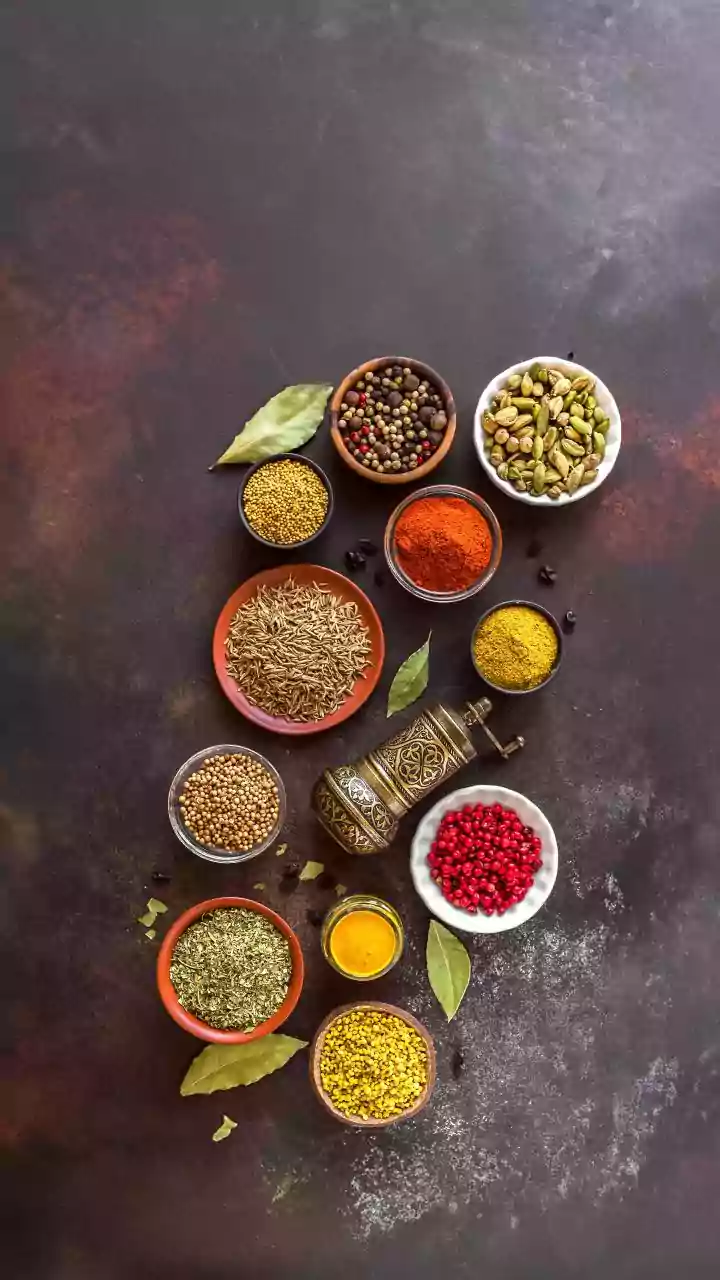
This recipe focuses on simple, accessible ingredients to recreate that authentic street-food flavour. You will need around 200-250 grams of fresh paneer, which should be grated for that signature texture. For the gravy base, you'll need one large onion and two medium tomatoes, all finely chopped. The aromatics include ginger-garlic paste, a couple of green chillies, and fresh coriander. Many recipes also include finely chopped capsicum for an extra layer of flavour and texture. The spice mix is key: turmeric powder, red chilli powder, coriander powder, and a bit of garam masala form the core. For that special street-style touch, a teaspoon of pav bhaji masala is highly recommended. Finally, butter is non-negotiable for richness, and some fresh cream can be added for a creamier finish.
Step-by-Step to a Perfect Ghotala
Start by heating a mix of oil and butter in a pan. Add cumin seeds, followed by finely chopped onion, and sauté until soft and translucent. Add the ginger-garlic paste and chopped green chillies, cooking for another minute until fragrant. Next, add the finely chopped tomatoes and cook until they become soft and mushy, releasing oil from the sides. Now it's time for the dry spices: add the turmeric, red chilli powder, coriander powder, and pav bhaji masala. Stir for about a minute until aromatic. If you are using capsicum, add it now and cook for a few minutes. Add a splash of water to prevent the spices from burning and help form a gravy. Using a potato masher, gently mash the mixture in the pan to create the 'ghotala' texture. Finally, add the grated paneer, salt to taste, and a bit more water to adjust the consistency. Let it simmer for 3-4 minutes, allowing the paneer to absorb the flavours. Finish with a final dollop of butter and a generous sprinkle of fresh coriander leaves.
Serving and Variations
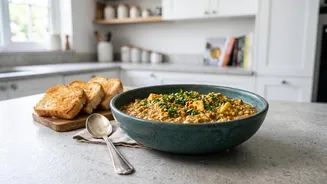
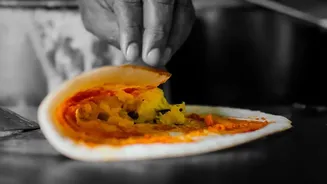
The classic way to serve Paneer Ghotala is with buttery, toasted pav (small bread rolls). To prepare the pav, melt some butter on a tawa or pan, sprinkle a pinch of red chilli powder and coriander, and toast the pav on both sides until lightly crisp. The soft, buttery pav is the perfect vehicle to scoop up the spicy, messy ghotala. You can also serve it with roti, paratha, or even as a filling for a sandwich or dosa. For an even richer dish, many street vendors add a cube of grated processed cheese on top just before serving, letting it melt into the hot gravy. Don't forget a side of sliced raw onions and a wedge of lemon to cut through the richness and complete the experience.