

The Kitchen Cabinet Comeback
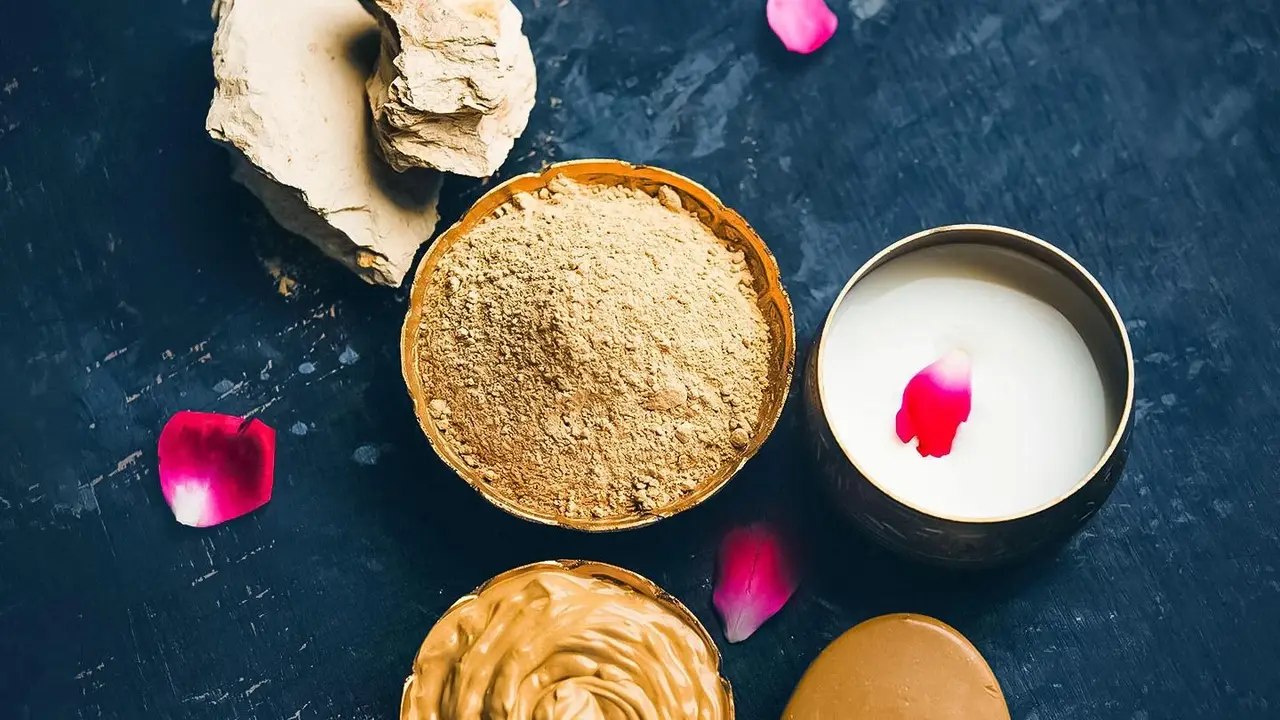
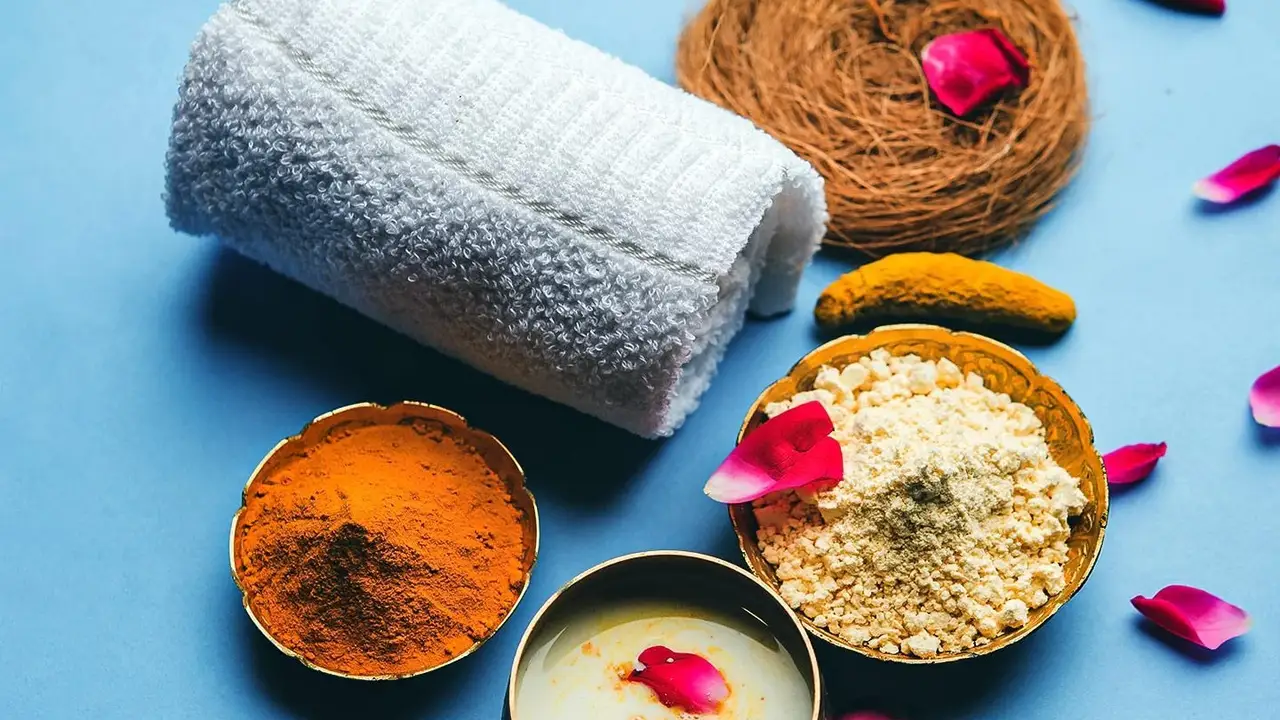
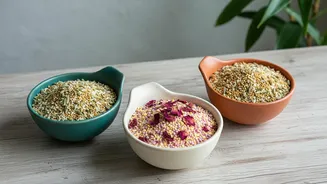
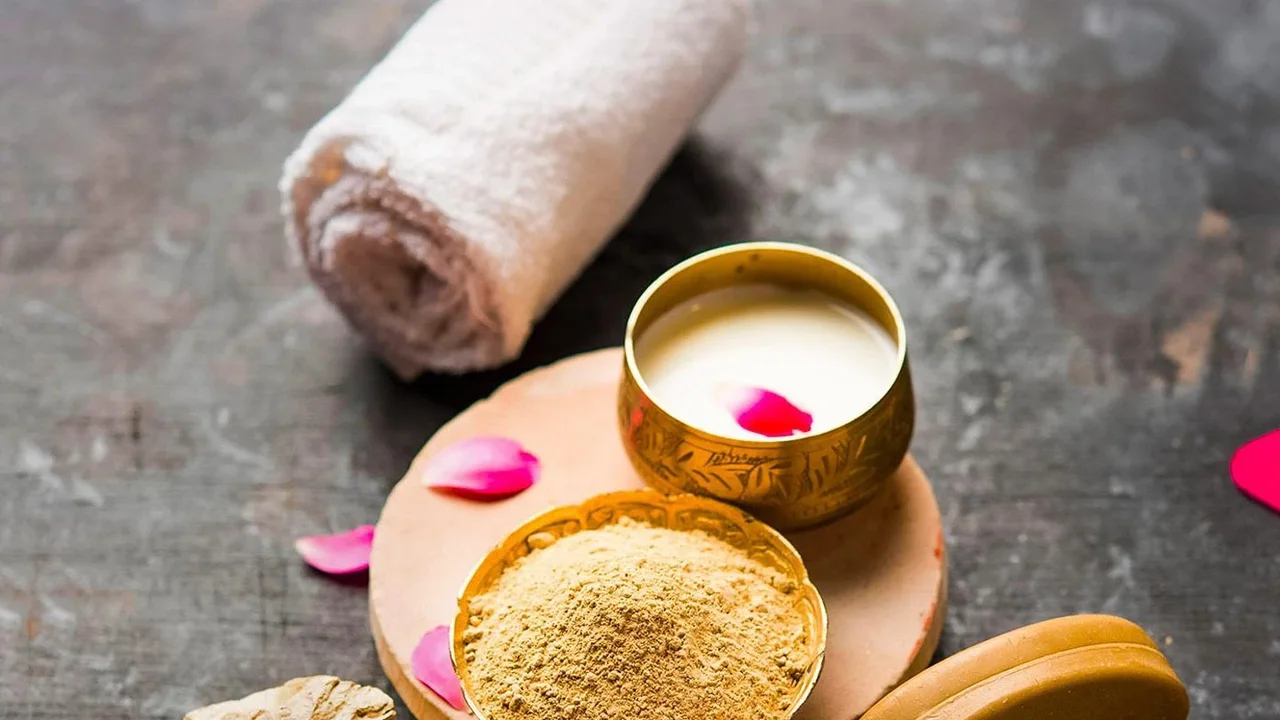
For generations, Indian households have relied on the kitchen for beauty fixes. A paste of besan (gram flour) for exfoliation, a touch of haldi (turmeric) for its healing properties, or a splash of rose water as a toner have been staples long before serums
and essences became popular. This isn't just about nostalgia; it’s a full-circle moment for Indian beauty. The wisdom of 'dadi ke nuskhe' (grandmother's remedies) is now being bottled and sold by sophisticated, new-age brands, validating these age-old practices for a modern audience. This time, however, they come with the added benefits of scientific formulation and consistent results, something homemade mixtures often lack.
The New Demand for 'Clean' and 'Natural'
So, why the sudden shift back to basics? A major driver is the global 'clean beauty' movement, which has found fertile ground in India. Consumers are increasingly wary of products laden with synthetic chemicals like parabens and sulfates. Research indicates a significant portion of Indian consumers, over 47% according to one study, actively prioritize natural ingredients in their skincare choices. This growing consciousness is fueling a massive market boom. India's herbal beauty market is projected to grow exponentially, with some forecasts predicting it will reach over USD 10 billion by 2033. The 'clean beauty' segment within India is expanding at a remarkable rate of over 15% annually, proving that this is more than just a passing trend.
From DIY Recipes to D2C Brands
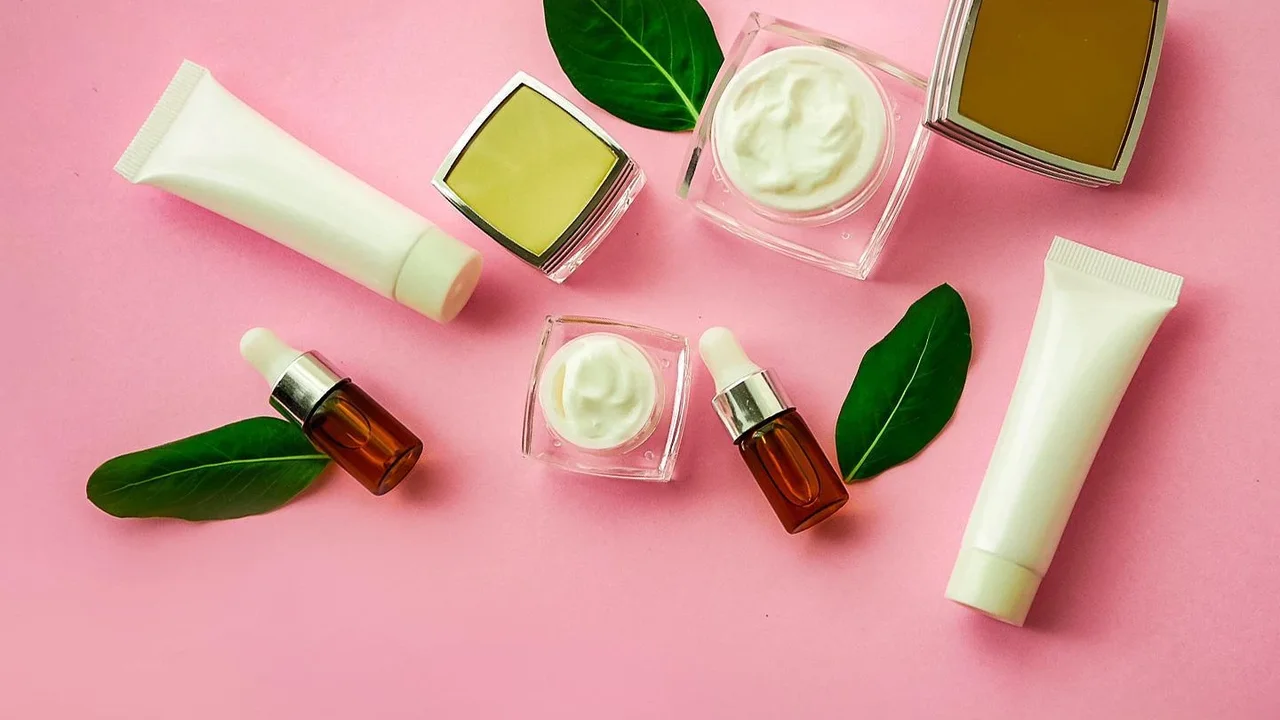
While DIY beauty has its charm, it's the rise of direct-to-consumer (D2C) brands that has truly mainstreamed this grocery-aisle makeover. Companies are marrying traditional Ayurvedic knowledge with modern science to create products that are both effective and convenient. Brands are incorporating familiar ingredients like ghee, amla, ashwagandha, and neem into everything from face serums to shampoos. They offer the goodness of these kitchen staples without the mess and inconsistency of home preparations. This approach has resonated deeply with millennials and Gen Z, who value authenticity, transparency, and products that reflect their cultural heritage while fitting into a contemporary lifestyle.
The Super-Ingredients Leading the Charge
Certain ingredients have become undeniable stars of this movement. Turmeric, celebrated for its anti-inflammatory and antioxidant properties, is now a key component in masks and cleansers. Saffron (kesar), long used for a 'golden glow', is appearing in high-end serums and creams. Other pantry regulars like gram flour, coconut, amla, and even curd (dahi) are being recognized for their scientifically-backed benefits—from exfoliation and hydration to providing essential vitamins. This focus on specific, recognizable ingredients allows consumers to make more informed choices, moving away from vague marketing claims toward tangible benefits they can understand and trust.
A Return to Indian Roots
Ultimately, this grocery-aisle makeover is about more than just ingredients; it's a reflection of a deeper cultural shift. There's a renewed pride in Indian traditions and a growing confidence in the efficacy of Ayurvedic and herbal wisdom. Consumers are no longer looking solely to the West for beauty standards and solutions. They are embracing products that are rooted in their own culture, offering a holistic approach to wellness that connects mind, body, and beauty. This movement represents a fusion of the past and the present, creating a new definition of Indian beauty that is authentic, conscious, and deeply personal.