


A Meal Born from History and Necessity
Dal Baati Churma is more than just Rajasthan's most famous dish; it's a symbol of its history and resilience. The story of the baati, or hard wheat roll, is said to have begun with the soldiers of the Mewar kingdom. They would bury balls of dough in the hot
desert sand before going into battle. Upon their return, the sun and sand would have baked the dough into hard, long-lasting bread, ready to be eaten. This practical meal, suited for a warlike lifestyle and a region with scarce water and fresh vegetables, evolved over time. Paired with dal and the sweet churma, it transformed from a soldier's convenience into a celebrated culinary tradition representing Rajasthani hospitality.
The Trio: Understanding the Dal
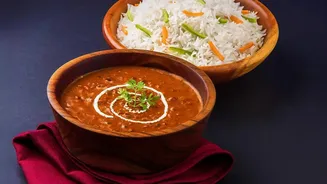
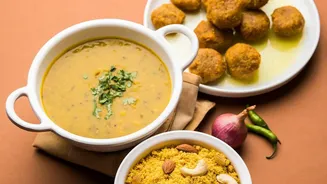
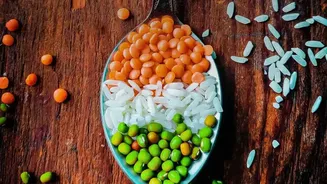
The 'dal' in this iconic trio is typically 'Panchmel Dal', a flavourful stew made from a mix of five different kinds of lentils. Common lentils include toor dal, chana dal, moong dal, and urad dal. After being soaked, the lentils are cooked together and then tempered with a sizzling 'tadka' of ghee, cumin seeds, asafoetida (hing), and a blend of spices like turmeric, chilli, and coriander powder. This process gives the dal its aromatic and savoury character, creating a perfect, protein-rich gravy to soften the dense baati.
The Trio: The Hardy Baati
The 'baati' is a hard, unleavened bread made from wheat flour, salt, and a little yogurt or milk. The dough is shaped into round balls, traditionally roasted in the embers of a dung fire or in a special oven, giving them a hard exterior and a soft, fluffy inside. Once cooked to a golden brown, they are cracked open and submerged in a generous amount of pure ghee. This not only adds immense flavour but also softens the bread. The baati’s dense texture and long shelf life made it the ideal food for the harsh desert climate.
The Trio: The Sweet Churma
The 'churma' provides a delightful sweet counterbalance to the savoury dal and baati. Legend has it that churma was an accidental discovery, when a cook in a Mewar kitchen mistakenly poured sugarcane juice over some baatis, making them soft and sweet. Today, it is made by coarsely grinding baked baatis and then roasting the crumbs in ghee with sugar or jaggery. Often enhanced with cardamom and chopped nuts, this sweet, crumbly confection completes the meal, turning it into a harmonious blend of flavours and textures.
How to Enjoy This Hearty Feast
Eating Dal Baati Churma is a hands-on experience. The traditional way is to first crush a baati on your plate with your fist. Then, pour the hot dal over the broken baati pieces. A generous dollop of extra ghee is often added on top for richness. Finally, the sweet churma is served on the side, to be mixed in with each bite or enjoyed separately. This combination is often accompanied by a spicy garlic chutney and sliced onions, adding another layer of flavour to this satisfying meal.
Beyond Baati: Other Rajasthani Savouries
While Dal Baati Churma is the star, Rajasthan's culinary landscape is vast. 'Gatte ki Sabzi' is another beloved classic, featuring steamed gram flour (besan) dumplings simmered in a tangy yogurt-based curry. Another unique dish is 'Ker Sangri', a stir-fry made from dried desert beans (sangri) and berries (ker) that grow locally. This dish, with its distinctive tangy and spicy taste, is a true representation of desert survival turned into a delicacy. For those who enjoy fiery flavours, 'Laal Maas' is a must-try mutton curry famous for its vibrant red colour, derived from a generous use of red chillies.