



1. Master Your Materials
The single biggest battleground between pets and furniture is the fabric. Claws, fur, and the occasional accident can spell disaster for delicate materials like silk or velvet. The solution lies in performance fabrics. Materials like Crypton and Perennials
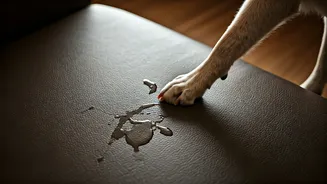
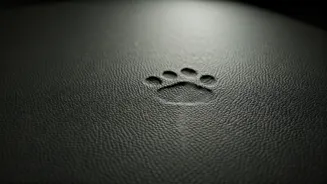
are engineered to resist stains, moisture, and odours. They’re incredibly durable and surprisingly soft. For a more classic look, consider leather or pleather. It’s easy to wipe clean and generally resistant to absorbing pet smells. While it can be scratched, many find that minor marks add to a desirable, lived-in patina over time. Tightly woven fabrics, such as microfiber and canvas, are also excellent choices as they are less likely to be snagged by claws.
2. Get Smart About Flooring
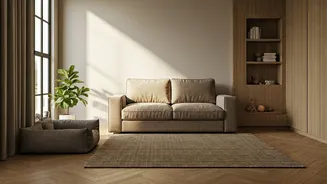
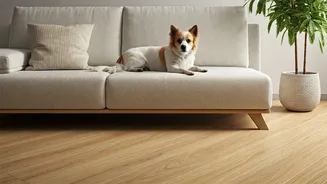
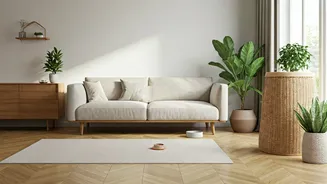
Wall-to-wall carpeting is a pet owner’s nightmare. It traps fur, dander, and odours, and a single spill can become a permanent stain. Hard flooring is your best friend. Materials like ceramic tile, luxury vinyl, and laminate are scratch-resistant and incredibly easy to clean. If you love the warmth and softness of a rug, don't despair. The key is to choose the right kind. Opt for low-pile rugs, as high piles can trap dirt and get snagged by claws. Even better, look into the growing market of stylish, machine-washable rugs. Brands like Ruggable have transformed the industry, allowing you to simply toss the rug cover into the wash after a muddy paw incident. Indoor/outdoor rugs are another fantastic, durable option.
3. Choose Furniture with Paws in Mind
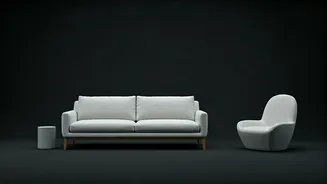
Think beyond the upholstery. The very structure of your furniture can make a difference. Avoid pieces with delicate, easily chewed wooden legs or wicker/rattan elements that can look like a giant chew toy to a bored puppy. Instead, opt for furniture with sturdy metal or solid wood legs. Sofas and chairs with exposed legs (rather than a skirt that reaches the floor) can make a room feel larger and prevent pets from turning the hidden space underneath into a dusty den. Also consider rounded edges on coffee tables and consoles to prevent injuries during a case of the 'zoomies.'
4. Use Colour and Pattern Strategically
A pristine, solid white sofa might be your dream, but with a black Labrador, it can become a constant source of stress. This doesn’t mean your home has to be dark and dreary. Instead, be strategic. If you have a light-coloured pet, lighter fabrics will be more forgiving. If you have a dark-furred animal, charcoal, navy, or other deep tones work well. The ultimate camouflage, however, is pattern. A tastefully patterned sofa, armchair, or rug is brilliant at hiding stray fur and minor stains between cleanings. A subtle tweed, a gentle floral, or a modern geometric print can work wonders while adding a layer of visual interest to your space.
5. Designate Stylish Pet Zones
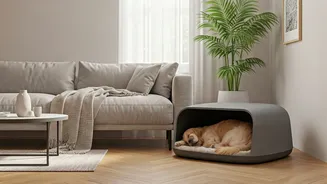
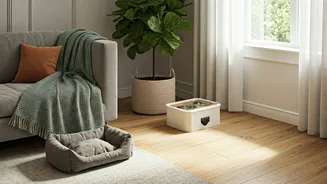
Pet clutter can quickly overwhelm a tidy home. The solution isn't to hide everything, but to integrate it beautifully. Instead of a standard plastic bed, invest in one with a stylish cover that complements your decor. Look for chic ceramic or metallic food and water bowls and place them on an elegant, easy-to-clean mat. Use attractive woven baskets to store toys when not in use—they look like a design choice, not a necessity. By creating a dedicated, well-designed space for your pet's essentials, you contain the clutter and show that their comfort is a considered part of the home's design.
6. Decorate for Durability and Safety
A wagging tail can be a weapon of mass destruction for delicate decor. Place fragile items, like glass vases or precious heirlooms, on high shelves, behind glass cabinet doors, or in rooms where your pet doesn't typically play. When it comes to greenery, do your research. Many common houseplants, like lilies and philodendrons, are toxic to cats and dogs. Opt for pet-safe plants like spider plants, prayer plants, or certain palms to bring life into your home without risk. Finally, ensure all electrical cords are tucked away or covered to prevent chewing hazards.