
The Living Magic of Fermentation
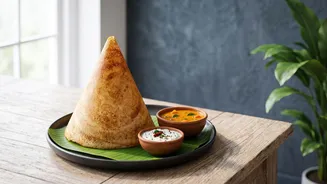
Fermentation is a transformative process driven by live microorganisms like beneficial bacteria and yeast. These tiny helpers break down sugars and starches in food, creating lactic acid, alcohol, or gases. This not only preserves the food but also creates
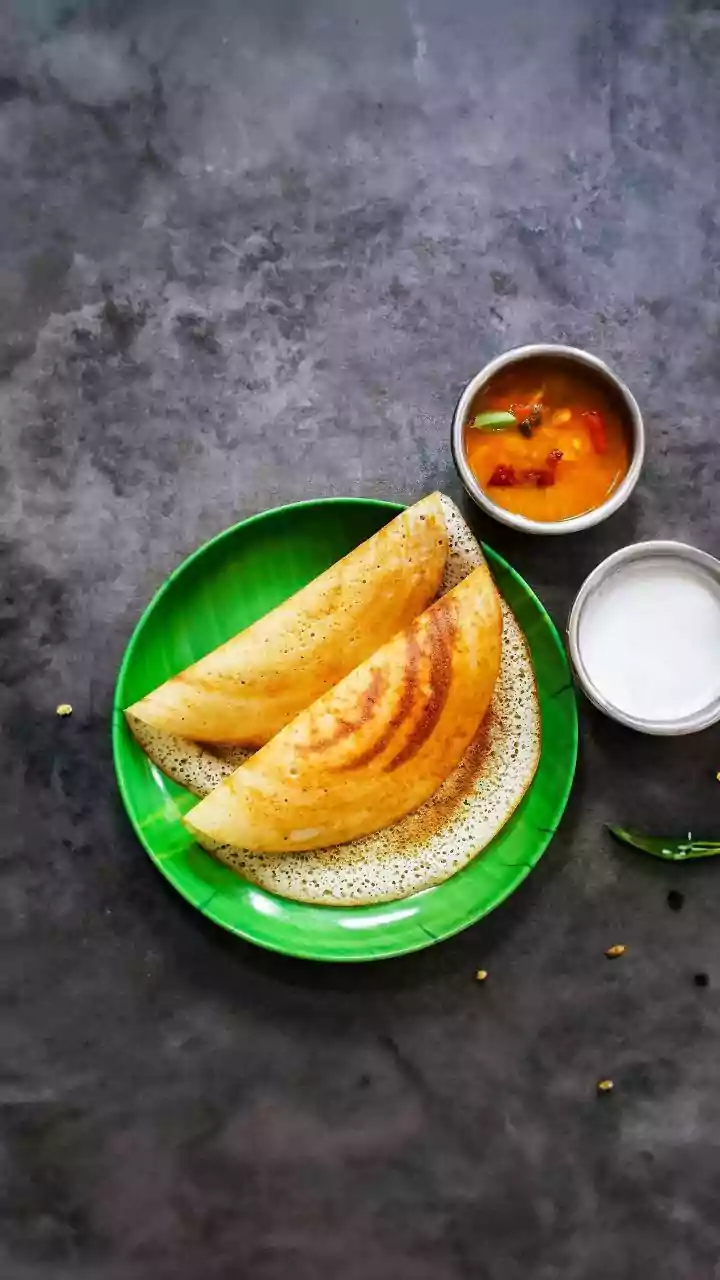
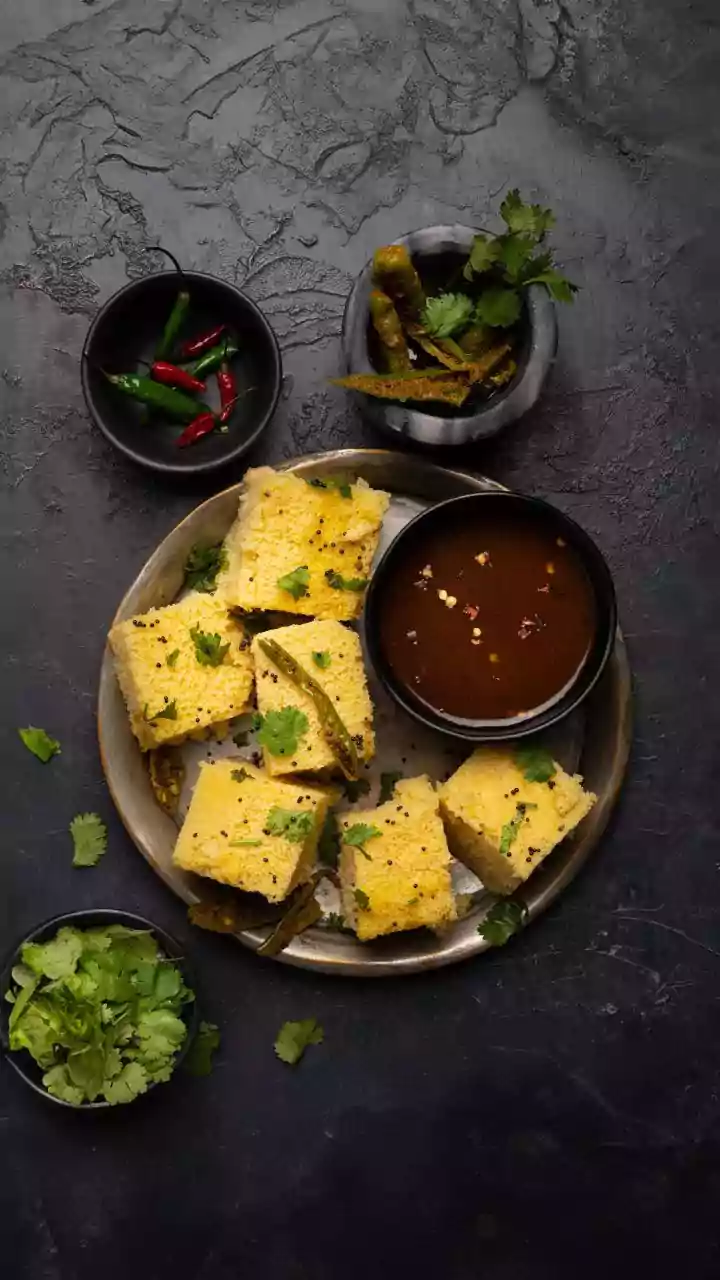
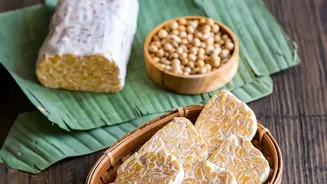
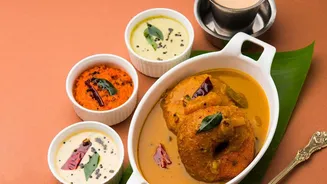
complex, new flavours and aromas. Think of the magic that turns rice and dal batter into fluffy idlis or tangy dosa. Other classic Indian examples include dahi, the fermented carrot drink kanji, and regional specialties like gundruk (fermented leafy greens) from the Northeast. The key takeaway is that fermentation is a living process that enhances nutritional value by producing probiotics, which are famously beneficial for gut health.
The Preserving Power of Pickling
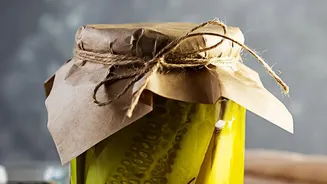
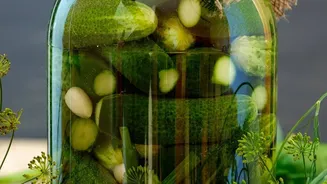
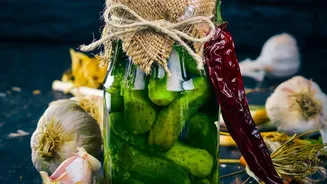
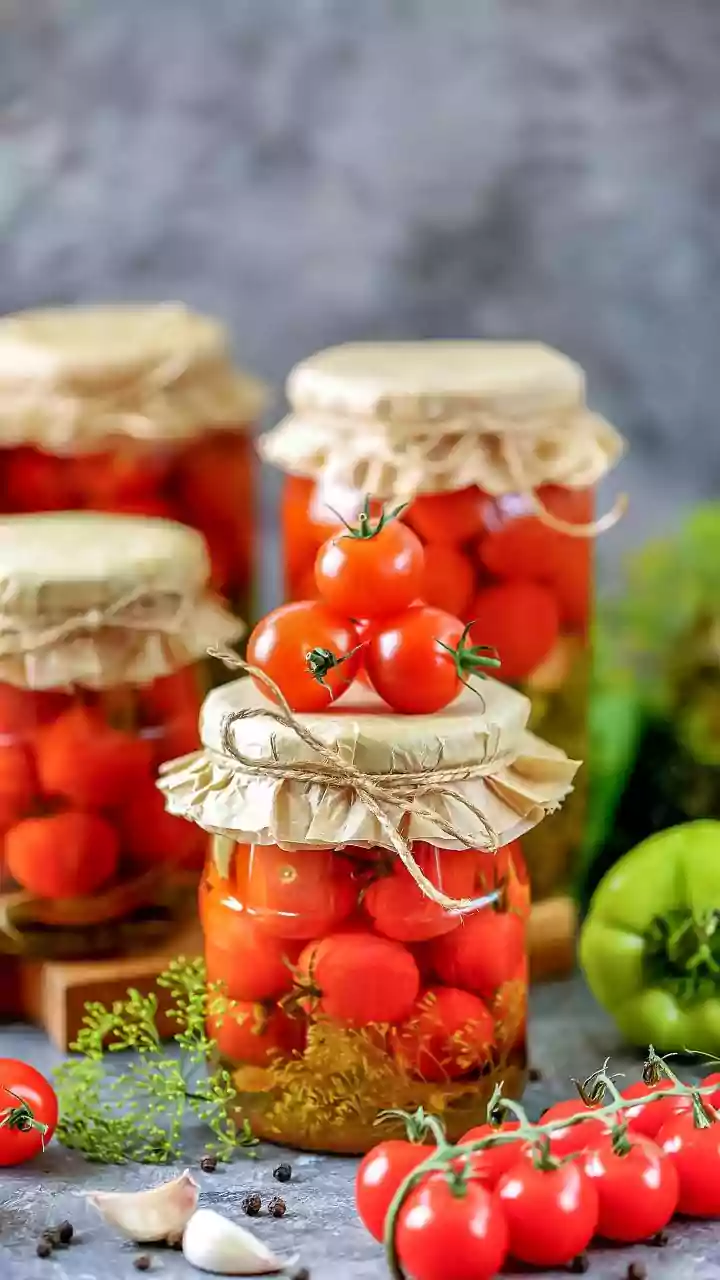
Pickling, on the other hand, is primarily a method of preservation that involves soaking food in an acidic liquid. This acid can be vinegar or citrus juice. The goal of pickling is to create an environment so acidic that it kills off spoilage-causing microbes, extending the shelf life of vegetables and fruits. A quick cucumber pickle made with vinegar is a classic example. The flavour is typically sharp and directly reflects the acidic brine it's soaked in. Unlike fermentation, this process does not rely on creating a live culture of bacteria; in fact, its purpose is often to prevent microbial growth altogether.
The Core Difference: Creating vs. Adding Acid
The fundamental distinction lies in how the sourness is achieved. Fermentation creates its own preservative—lactic acid—through the metabolic activity of live bacteria. Pickling introduces an external acid, like vinegar, to do the preserving. So, while both can result in a tangy product, the journey to get there is completely different. Fermentation is a slow, biological transformation that develops deep, funky, and layered flavours over time. Pickling is a faster, chemical preservation that imparts a more straightforward sourness from its brine.
The Great Indian Achaar Puzzle
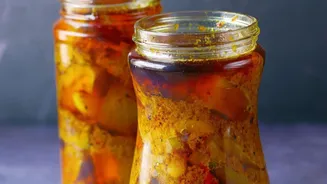
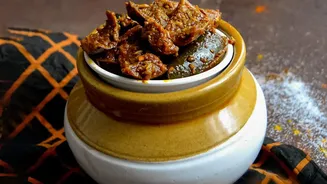
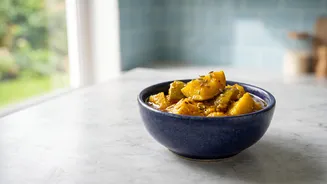
So, where does our beloved Indian achaar fit in? This is where it gets interesting, because many traditional achaars are actually a type of fermented pickle. This process is called lacto-fermentation. When mangoes, lemons, or other vegetables are mixed with salt and spices and left to mature (often in the sun), the salt draws out water, creating a brine. Naturally present Lactobacillus bacteria then begin to ferment the sugars in the vegetables, producing lactic acid. This is why traditional homemade mango and lemon pickles have such a complex, rounded sourness that you don't get from a quick vinegar pickle. Oil is often added on top not to pickle, but to act as a seal against air, preventing spoilage while the fermentation happens underneath.
Modern vs. Traditional Pickles
It's important to note that not all modern achaars are fermented. Many commercially produced or 'instant' pickles use vinegar to speed up the process and ensure a long, stable shelf life. These are true pickled foods, not fermented ones. You can often tell the difference by checking the ingredients list for vinegar or by the taste; a vinegar-based pickle will have a sharp, one-note sourness, whereas a fermented achaar has a more complex, mellow tang. The fermented versions, brimming with live cultures, are the ones that offer probiotic benefits.