



Choosing a Conscious Idol
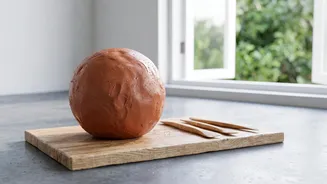
The centrepiece of any celebration is the Ganpati murti, and Mumbaikars are increasingly making eco-conscious choices. The trend is moving away from Plaster of Paris (PoP) idols, which pollute water bodies, towards those made from biodegradable materials.
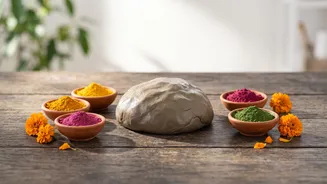
Idols crafted from Shadu mati (natural clay), paper mâché, and even red soil are popular choices. These dissolve easily, and many families now perform the visarjan (immersion ceremony) at home in a bucket or tub. The clay-rich water is then used to nourish house plants, beautifully symbolizing the cycle of nature. Some innovative idols even come with seeds embedded within them, which sprout into a plant after immersion, leaving a living legacy of the festival.
Crafting a Divine Space at Home
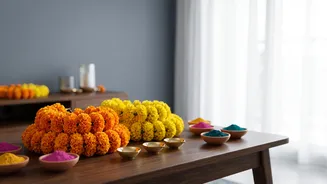
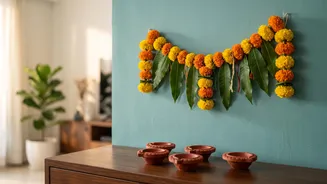
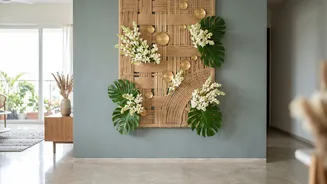
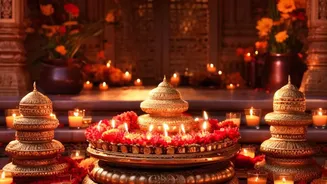
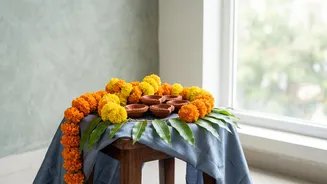
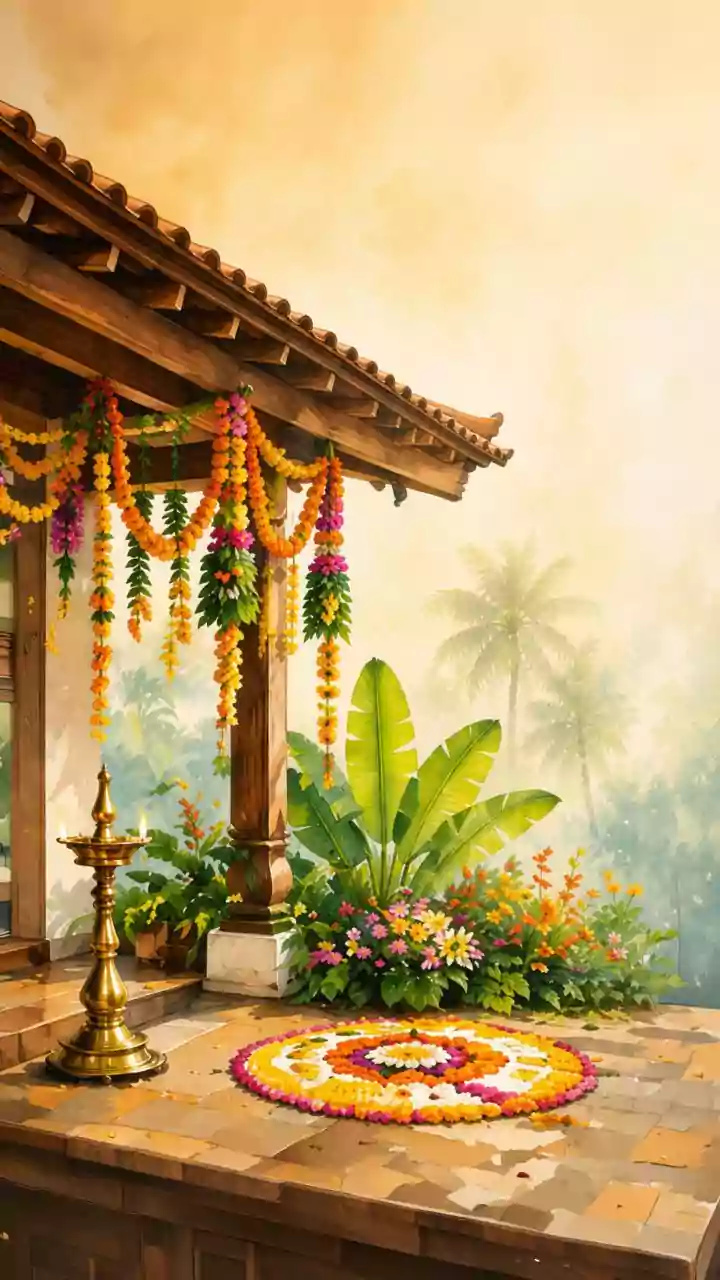
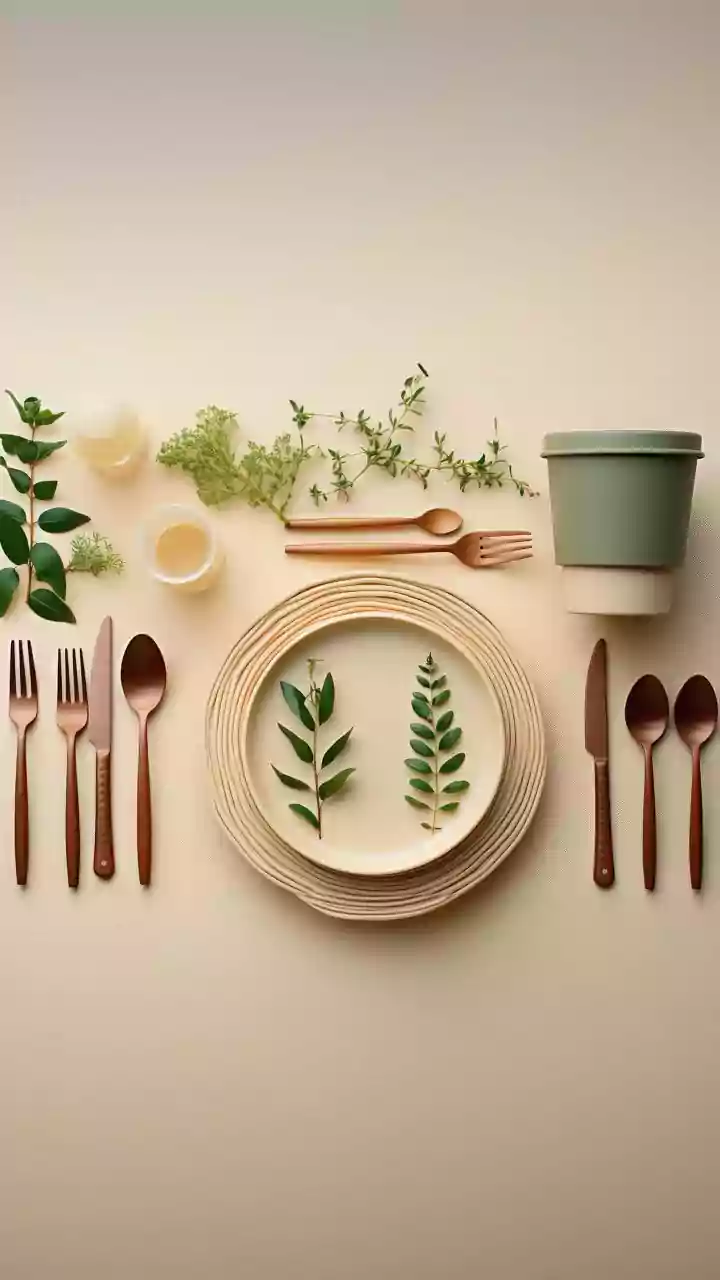
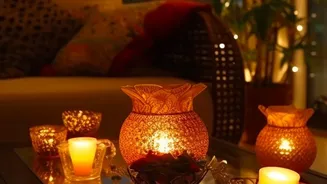
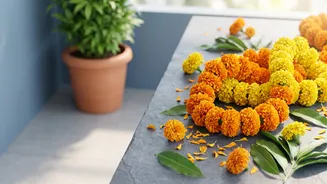
Creating a beautiful mandap (a temporary shrine) is a key part of welcoming Bappa home. Families are getting creative with DIY decorations that are both stunning and sustainable. Instead of plastic and thermocol, natural materials are in favour. Fresh flower garlands, especially of marigolds and roses, are a classic choice, used to create floral curtains or frame the idol. Many are using vibrant silk sarees or dupattas as backdrops, adding a personal and traditional touch. Eco-friendly options like banana leaves, mango-leaf torans (door hangings), and handmade paper crafts are also widely used. For lighting, traditional diyas (clay lamps) and fairy lights create a warm, divine glow without high energy consumption.
A Feast Fit for the Occasion
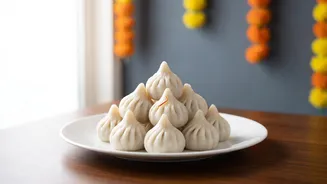
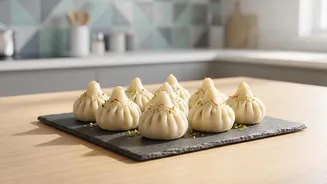
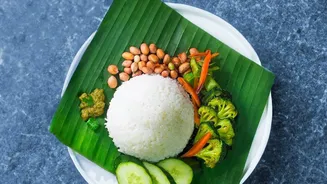
No festival is complete without its culinary delights, and Ganesh Chaturthi is famous for its array of traditional foods offered as 'bhog' or 'naivedyam'. The undisputed star is the modak, a sweet dumpling believed to be Lord Ganesha's favourite. The most traditional version, Ukadiche Modak, is made with a steamed rice-flour casing filled with a sweet mixture of grated coconut and jaggery. Other festive essentials include Puran Poli, a sweet flatbread stuffed with lentils and jaggery, and various types of ladoos. Savoury dishes like Varan Bhaat (a simple dal and rice preparation) and Batata Vada (spiced potato fritters) are also mainstays on the festive menu. Preparing these dishes at home becomes a cherished family activity, filling the home with delicious aromas.
Keeping the Community Spirit Alive
While celebrations may be smaller and confined to homes, the spirit of community remains strong. Families are finding new ways to share the joy of the festival with their loved ones. Many organize virtual aarti sessions via video calls, allowing extended family and friends from different locations to pray together. Sharing prasad with neighbours and friends is another way the festive generosity is expressed. Within the home, the festival becomes a time for family bonding. Involving children in activities like painting a clay idol, making paper flowers for decoration, or helping to shape modaks makes the celebration more engaging and meaningful for them. These shared activities create lasting memories and pass down traditions to the next generation.