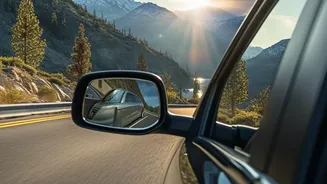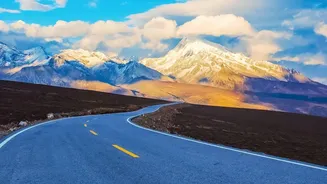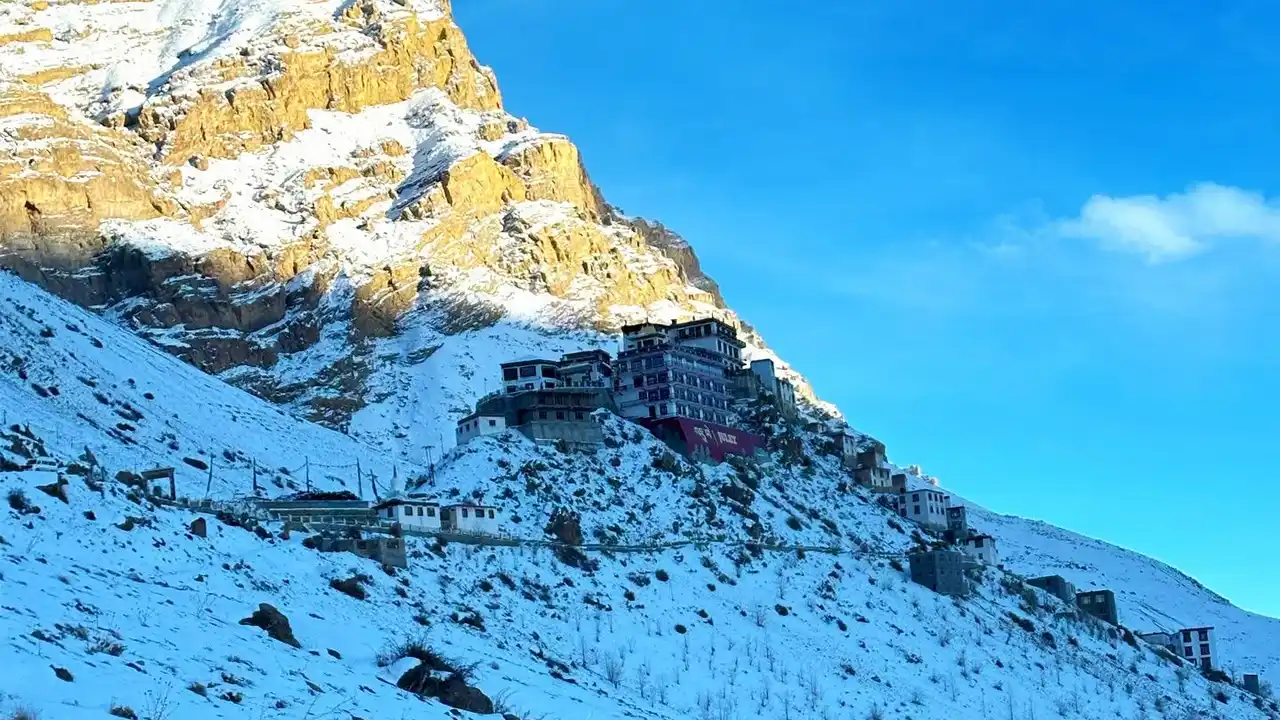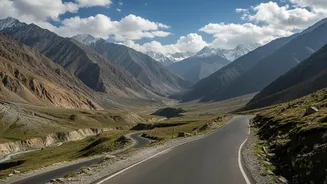





Understanding the High-Altitude Road
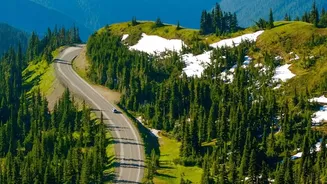
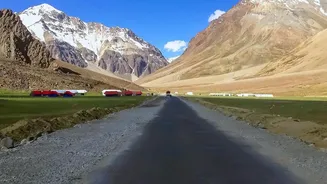
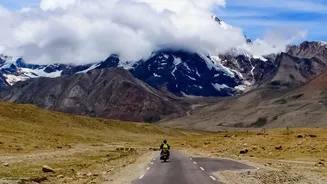
A late monsoon trip, typically in September and October, presents unique challenges. While the heaviest rains have passed, their effects linger. Expect roads to be damaged, with potholes and sections washed away. You may encounter slush, mud, and the occasional
water crossing. Visibility can drop suddenly due to fog, and at higher passes, early snowfall or black ice is a real possibility. This is a journey that tests both driver and machine, requiring a careful, considered approach rather than a race against time.
Your Body First: Acclimatisation is Non-Negotiable
Acute Mountain Sickness (AMS) is a significant risk on high-altitude trips, usually occurring above 2,500 metres (about 8,200 feet). Its symptoms include headache, nausea, dizziness, and fatigue. The primary cause is ascending too quickly for your body to adapt to the lower oxygen levels. Prevention is key. Plan your itinerary to allow for gradual ascent. A good rule is not to increase your sleeping altitude by more than 500 metres per day once you're above 3,000 metres. The principle of “climb high, sleep low” is your best friend—ascend during the day but return to a lower altitude to sleep. Stay well-hydrated by drinking plenty of water, and avoid alcohol, especially in the first 48 hours at a new altitude. If symptoms appear, do not ascend further. Rest, and if they worsen, descending is the most effective treatment.
Pre-Trip Vehicle Health Check
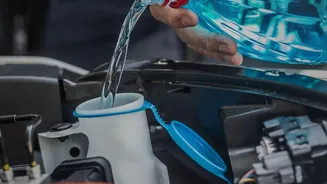
Before you even think about packing, your vehicle needs a thorough inspection. Start with the essentials. Your brakes are your most critical safety feature on steep descents; ensure pads, rotors, and fluid are in top condition. Check your tyres for adequate tread depth and correct pressure, as wet and damaged roads demand maximum grip. Ensure all lights are working for visibility in rain and fog. It’s also crucial to replace worn-out wiper blades for a clear view. Have your engine oil, coolant, and other fluids topped up. Finally, get your battery checked, as colder temperatures at high altitudes can reduce its performance. An anti-rust coating for the undercarriage is also a wise investment against moisture and road grime.
On the Road: The Balancing Act
The perfect trip balances your body's need for acclimatisation with sensible driving. Your driving schedule is your acclimatisation schedule. Pushing for long distances at high speed is a recipe for both AMS and vehicle strain. Plan for shorter driving days and include rest days every few thousand feet of elevation gained. Use engine braking on steep descents to avoid overheating your brakes and maintain control—a technique that's safer for you and better for your car. Be aware that your vehicle's engine will lose power in the thin air, just as you feel more breathless. Modern cars with fuel injection adjust automatically, but a noticeable drop in performance is normal. Drive slowly and steadily through waterlogged patches to avoid water entering the engine or exhaust.
Essential Gear for You and Your Car
A well-packed kit can be a lifesaver. For yourself, pack layers of warm clothing, a waterproof jacket, and any personal medications. Include a basic first-aid kit with medicines for headache and nausea, and consult a doctor about preventive medication for AMS like Acetazolamide. Also, carry a power bank, snacks, and plenty of water. For your car, an emergency kit is just as vital. It should include a proper toolkit, a tow rope, jumper cables, a reliable torch, and a puncture repair kit with an inflator. Given the remote nature of these routes, being self-sufficient is the ultimate safety measure.