


The Morning Time Crunch
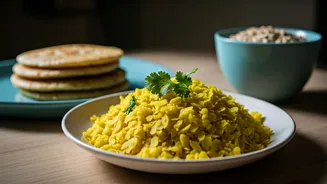
For generations, the Indian breakfast was a symbol of a home in motion—the sizzle of parathas on a tawa, the steam rising from a fresh batch of idlis, or the comforting aroma of poha. These meals were wholesome, labour-intensive, and predicated on a simple
luxury: time. Today, that luxury is in short supply. Rapid urbanisation, longer commutes, and the rise of dual-income nuclear families have fundamentally altered morning routines. The leisurely, multi-step preparation of traditional breakfasts now competes with school runs, early meetings, and the perpetual rush of city life. This time-poverty is the primary catalyst driving Indians to seek out breakfast solutions that are quick, efficient, and don't require an elaborate kitchen setup first thing in the morning.
A New Definition of Healthy
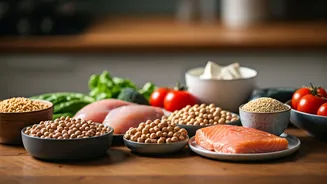
Parallel to the time crunch is a powerful, nationwide surge in health consciousness. The definition of a 'good' breakfast is no longer just something hot and filling. The modern Indian consumer is increasingly a label-reader, looking for specific nutritional benefits. Terms like 'high-protein', 'rich in fibre', 'no added sugar', and 'whole grain' have entered the mainstream vocabulary. This shift, accelerated by the post-pandemic focus on immunity and wellness, has created a massive demand for foods that deliver tangible health outcomes. Empty calories are out; functional foods are in. Consumers are actively looking for meals that will provide sustained energy for a demanding day, manage weight, and contribute to overall well-being, moving far beyond the simple goal of staving off hunger until lunch.
Oats, Muesli, and the Convenience Aisle
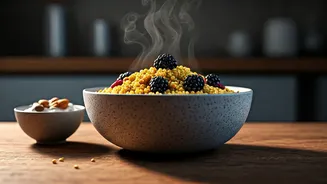
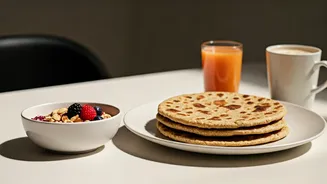
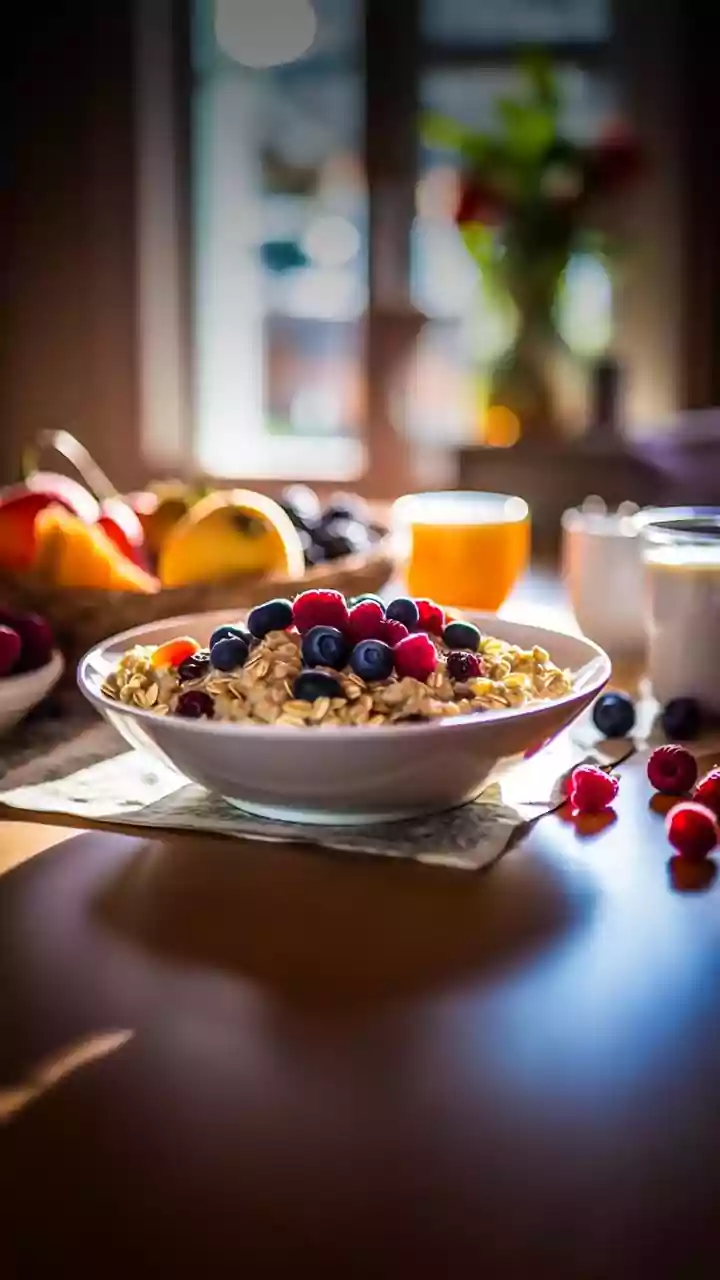
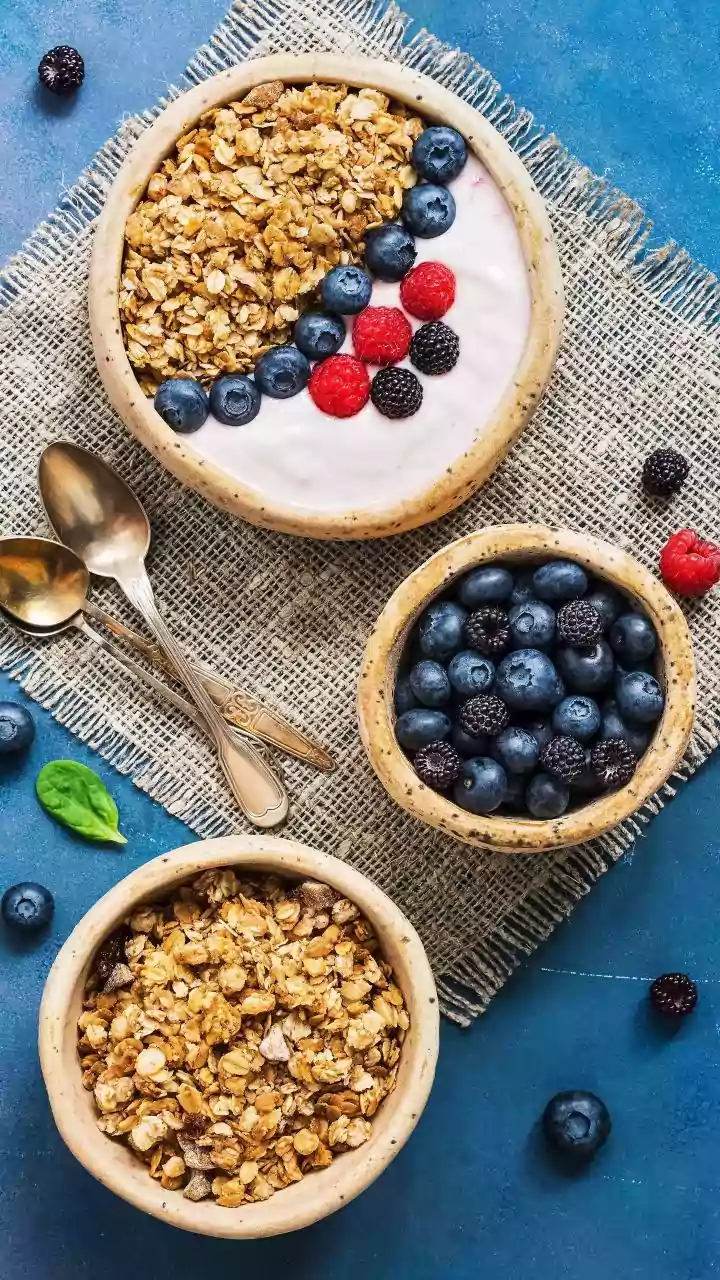
This confluence of needs—health and convenience—has created superstars out of formerly niche products. The breakfast aisle in any Indian supermarket tells the story. Oats, once a rarity, are now a staple, available in countless variations from instant masala oats to steel-cut varieties. Muesli and granola, packed with nuts, seeds, and dried fruit, offer a complete meal in a bowl with just a splash of milk or yoghurt. Breakfast bars, smoothies, and protein shakes have also found a firm footing, offering grab-and-go nutrition for the exceptionally time-pressed. These products successfully deliver on the promise of a 'smart' start: they are quick to prepare, nutritionally dense, and require minimal effort and cleanup, making them a pragmatic choice for the modern Indian household.
New Brands, Ancient Grains
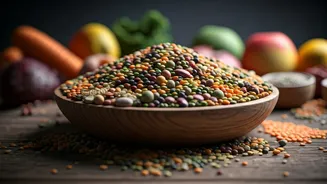
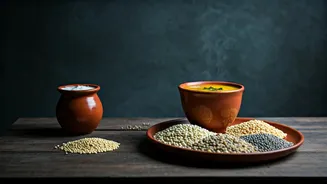
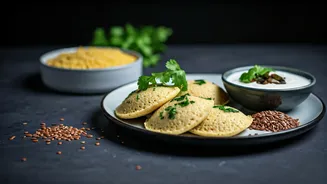
What makes this trend distinctly Indian is the clever fusion of modern formats with traditional ingredients. A new wave of direct-to-consumer (D2C) brands has brilliantly tapped into this space. They are not just selling oats; they are innovating with indigenous superfoods. Millets like ragi, jowar, and bajra—grains our grandparents ate—are being reborn as stylishly packaged breakfast cereals, pancake mixes, and nutrient-rich flakes. This approach resonates deeply with consumers who want the convenience of a modern product but with the trusted, nutritional goodness of local, familiar ingredients. It bridges the gap between nostalgia and modernity, offering a breakfast that feels both globally current and authentically Indian.
Is Tradition Fading Away?
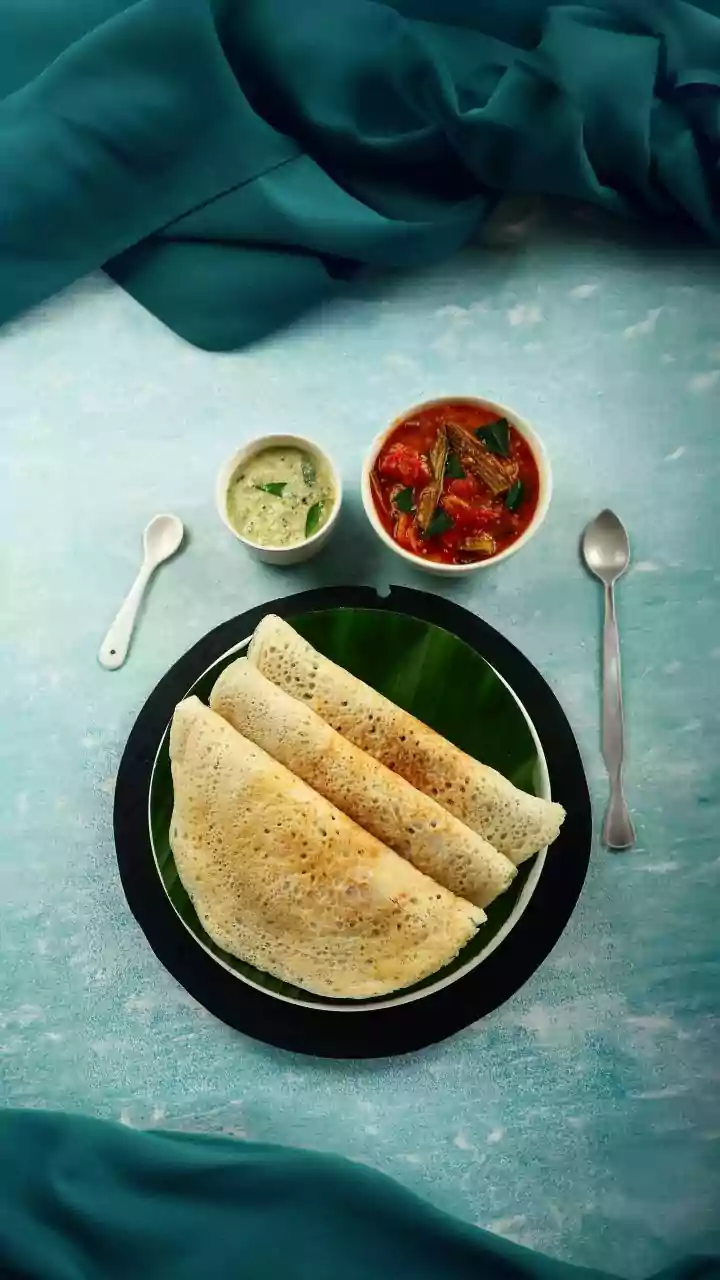
Does this mean the end of the beloved puri-sabzi or dosa-sambar for breakfast? Not at all. The shift toward 'smart' breakfasts is less about replacement and more about weekday pragmatism. Traditional breakfasts are not disappearing; they are being repositioned as a weekend indulgence, a time for family to gather and enjoy a more elaborate, unhurried meal. Furthermore, even traditional recipes are getting a convenience makeover. You can now find ready-to-cook upma mixes, frozen idli batter, and vacuum-packed theplas, proving that the demand for convenience cuts across all food categories. The Indian breakfast table is not being replaced; it's simply expanding to accommodate the complex realities of modern life.