





First, What Exactly Is Podi?
For the uninitiated, podi is a staple condiment in South Indian homes, but it's much more than a simple spice mix. The word 'podi' literally means 'powder' in languages like Tamil and Telugu. It’s a coarse, dry blend typically made from a base of slow-roasted
lentils (like chana dal and urad dal), seeds (like sesame), and an array of spices, most notably dried red chillies. Every household and region has its own signature recipe, with variations including ingredients like curry leaves, garlic, or coconut. Traditionally, podi is mixed with ghee or sesame oil and served as a punchy accompaniment to mild dishes like idli (steamed rice cakes) and dosa (fermented crepes). Its most famous variant, milagai podi, is often nicknamed 'gunpowder' for its explosive flavour.
An Unlikely but Perfect Marriage
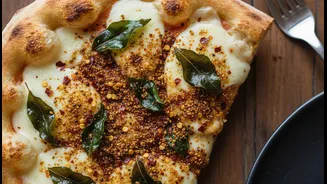
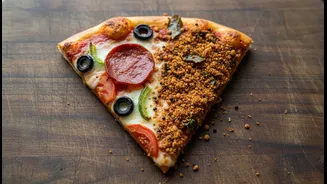
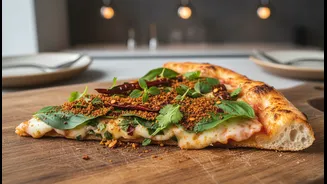
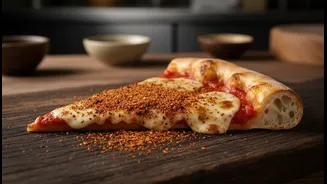
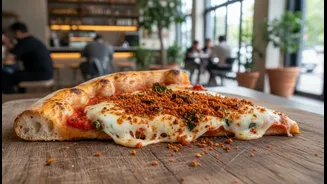
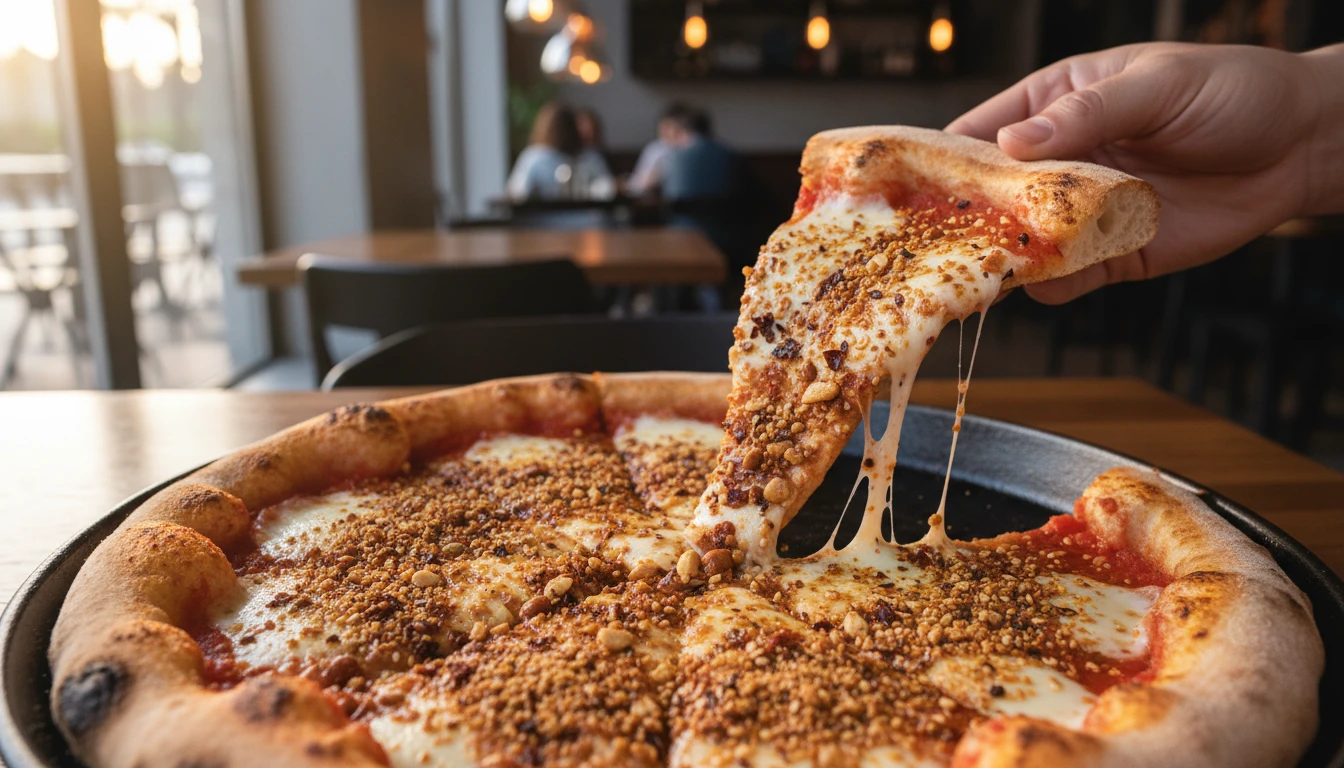
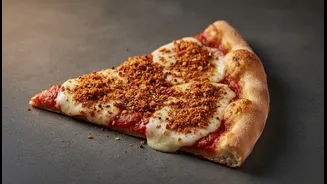
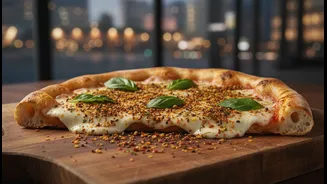
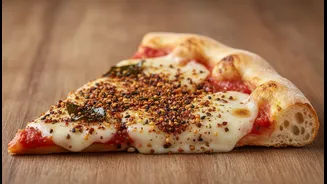
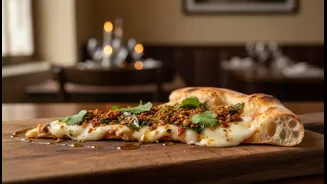
On the surface, a fiery South Indian spice powder and a classic Italian pizza might seem like an odd couple. But their union is a masterclass in flavour dynamics. The rich, fatty mozzarella cheese and the tangy sweetness of tomato sauce find a perfect counterpoint in the earthy, spicy, and nutty notes of podi. The lentils in the powder provide a subtle, satisfying crunch, adding a textural layer that most pizza toppings lack. It's a fusion that works because it balances contrasts: the heat of the chillies cuts through the richness of the cheese, while the roasted, nutty flavour of the dals and seeds complements the baked crust. Michelin-starred chef Garima Arora describes podi as a 'flavour bomb' for its ability to add a complex layer to any dish, and on pizza, it does exactly that.
A Global Trend with Indian Roots
The appearance of podi on pizza is part of a larger, exciting movement in global cuisine. Chefs and home cooks are increasingly looking to their own heritage to innovate, creating dishes that are both authentic and boundary-pushing. This isn't about diluting flavours but celebrating them on a new canvas. The 'Indianisation' of pizza has been happening for years, with toppings like paneer tikka and tandoori chicken becoming mainstream favourites in India. The podi pizza represents the next wave of this trend, moving beyond familiar North Indian flavours to embrace the unique and potent tastes of the South. This creative blending is a sign of culinary confidence, showing that traditional Indian flavours can stand proud on any international dish, from pasta to pizza.
More Than Just a Sprinkle
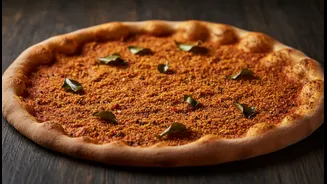
Applying podi to pizza is an art in itself. It's not just a last-minute garnish. Some pizzerias infuse olive oil with podi and drizzle it over the top, allowing the flavours to seep into every component. Others bake it directly into the cheese or sprinkle it on before the pizza enters the oven, toasting the spices and intensifying their aroma. The type of podi used also makes a significant difference. A classic idli podi brings a balanced heat and nuttiness, while a karuveppilai podi (curry leaf powder) offers a more herbaceous, fragrant profile. This versatility allows for endless experimentation, turning the humble pizza into a playground for sophisticated South Indian flavours. The result is a dish that feels both familiar and thrillingly new.