
Why Mandu Is Magical in the Monsoon
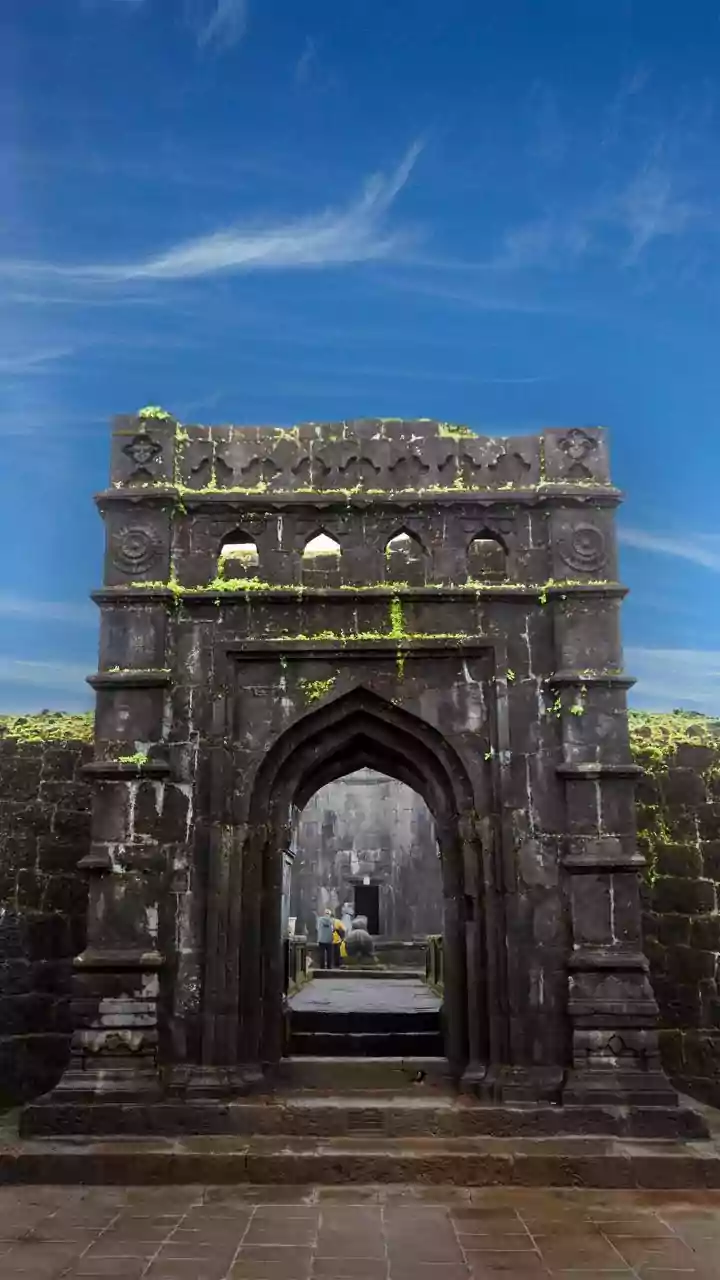
During the monsoon months from July to September, Mandu transforms into a breathtaking landscape of lush greenery and swirling mists. The ancient city, perched atop the Vindhya Range, sheds the summer heat and dons a vibrant, emerald coat. The rain washes
the centuries-old monuments, making the stone glisten and filling the lakes and reservoirs that are integral to its most famous palaces. This is the season when Emperor Jehangir himself would retreat here, captivated by its beauty. For residents of nearby cities, it offers a dramatic change of scenery—a cool, romantic, and historical paradise that feels a world away, yet is easily accessible for a short trip.
The Unmissable Monsoon Palaces
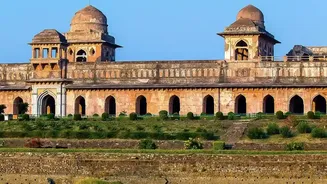
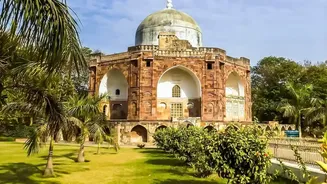
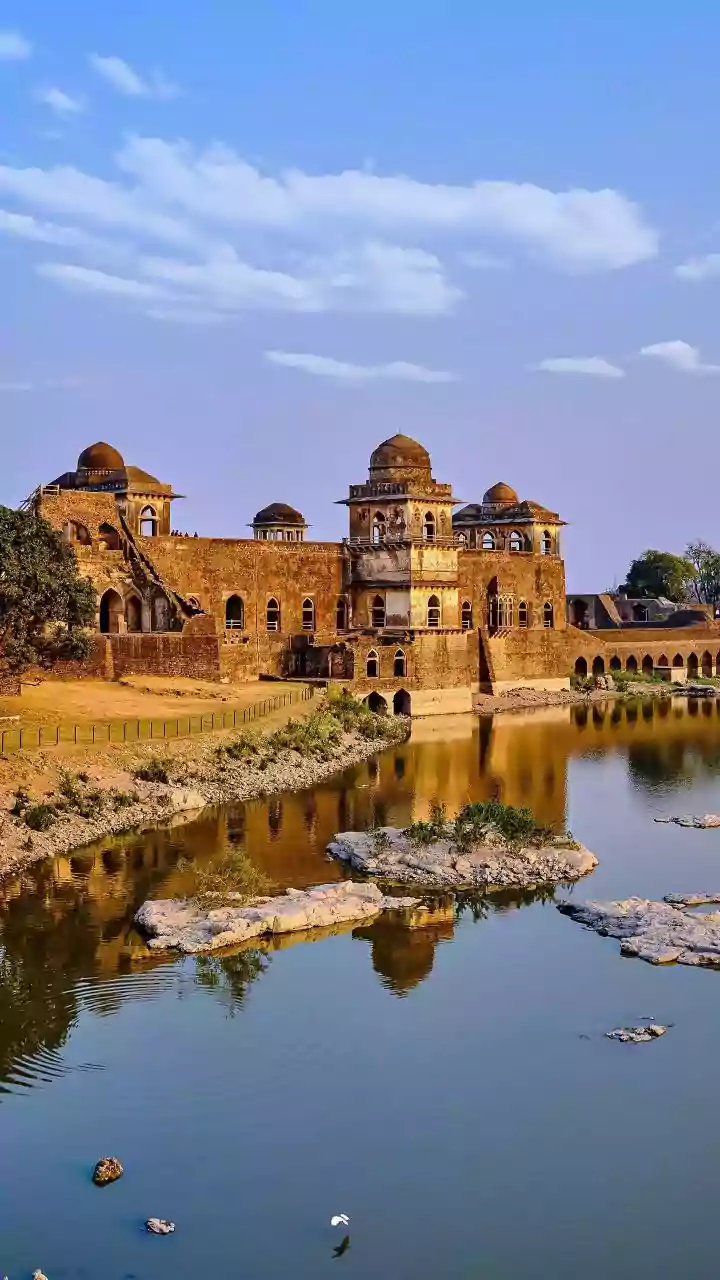
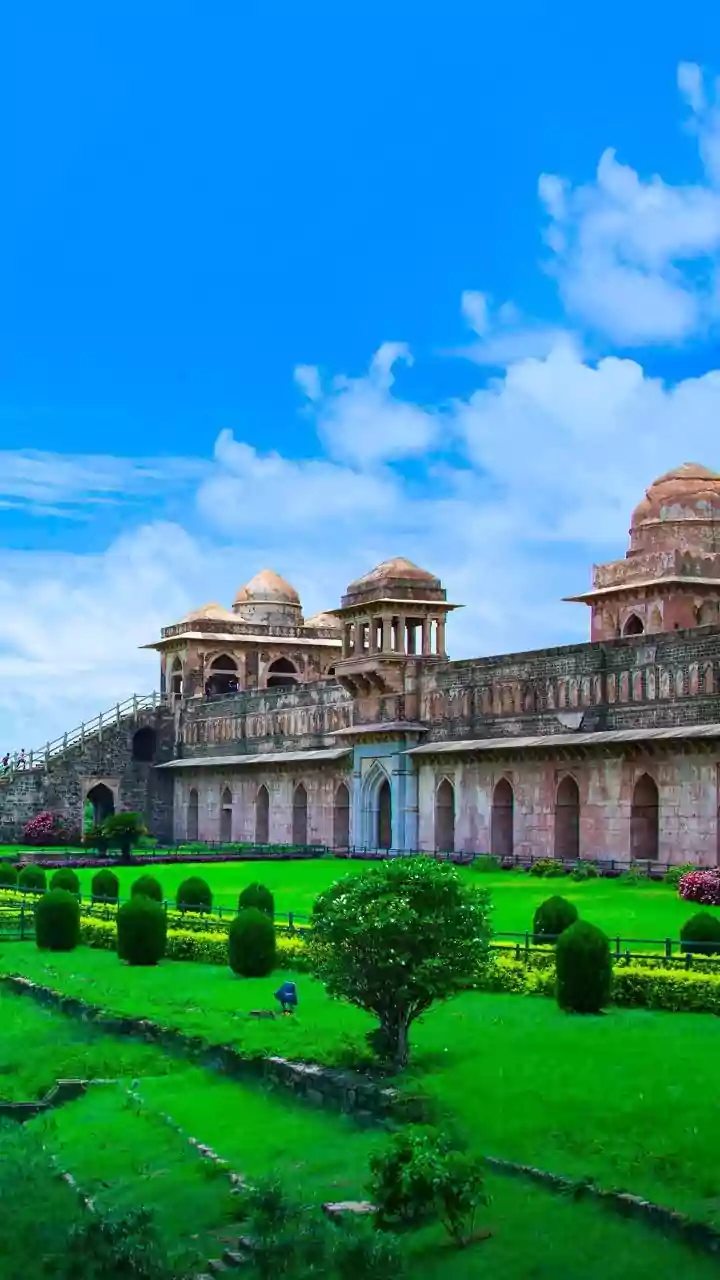
Mandu's architecture was designed to be in harmony with water, and the monsoon is when you see this vision fully realised. The star attraction is the Jahaz Mahal or 'Ship Palace'. This 120-metre-long marvel, built between two artificial lakes, Munj and Kapur Talao, truly looks like a magnificent ship afloat on the water when the rains fill the tanks. Nearby, the Hindola Mahal, or 'Swinging Palace', with its uniquely sloped buttress walls, creates an illusion of motion that is heightened by the dramatic monsoon sky. For the most romantic vista, head to Rani Roopmati's Pavilion. This hilltop structure offers breathtaking panoramic views of the Narmada valley below, often shrouded in mist. It was from here that the queen would gaze at the sacred river, a story that adds to the site's poetic charm.
Planning Your Budget-Friendly Trip
A trip to Mandu doesn't need to be expensive, making it an ideal spontaneous getaway. The monsoon is considered the off-season, meaning accommodation rates can be 20-30% lower than in the peak winter months. Budget hotels and homestays are available, with some options starting as low as ₹800 per night. Entry fees for most monuments are also very reasonable for Indian citizens, often around ₹15 to ₹25 per site. For food, you can savour local Malwa cuisine at roadside stalls and dhabas. A hearty meal of dal bafla or poha and jalebi can be both delicious and incredibly affordable. A weekend trip for two can be comfortably managed on a modest budget, focusing the experience on the stunning sights rather than lavish spending.
How to Get There from Indore and Bhopal
Mandu is conveniently located for a road trip from both of Madhya Pradesh's major cities. From Indore, Mandu is approximately 95-100 km away, a journey that takes about 2 to 2.5 hours by car through scenic routes. Regular buses also ply from Indore's Sarwate and Gangwal bus stands, offering an extremely economical option for around ₹100-₹150. From Bhopal, the journey is longer, around 290 km, and takes approximately 5 to 6 hours by car, typically via Indore. This makes it a feasible, though more committed, weekend trip. For those travelling from Bhopal, an early start is recommended to make the most of the day. The drive itself, especially the final approach to the Mandu plateau, is part of the experience, with the landscape becoming progressively greener and more picturesque.