




A Landmark Directive for Passenger Safety
For years, the convenience of optional travel insurance was a perk reserved for those who booked their train journeys online via the IRCTC website or app. This left a vast number of passengers, particularly those from lower-income groups or less digitally-savvy
individuals who rely on physical Passenger Reservation System (PRS) counters, without this crucial safety net. Recognizing this disparity, the Supreme Court of India has directed the Indian Railways to extend the travel insurance facility to all tickets sold over the counter. The court has set a firm deadline of October 27, 2026, for mandatory implementation, making the Railway Board directly accountable for ensuring the rollout happens on schedule.
How the New Scheme Is Expected to Work
While the Railways has yet to release the final operational details, the new system is expected to mirror the existing online process. Currently, passengers booking e-tickets are given an option to opt-in for travel insurance for a nominal fee before completing their payment. It is likely that a similar mechanism will be integrated at the counter, where booking clerks will ask passengers if they wish to add insurance to their ticket. This decision was prompted by a Supreme Court hearing related to passenger safety, including the aftermath of the tragic Odisha train accident in June 2023. The court expressed that sufficient time had been given to authorities to devise a plan and that a lack of progress necessitated this direct order.
What the Travel Insurance Covers
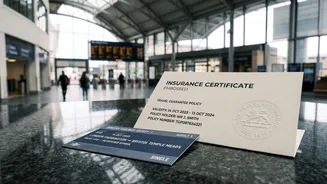
The existing optional travel insurance scheme for online tickets offers substantial coverage for a very low premium. As of early 2024, the cost is just 45 paise per passenger. For this tiny sum, the policy provides significant financial protection against unforeseen events during the journey. The coverage includes up to ₹10 lakh in the event of death or permanent total disability resulting from a train accident or other 'untoward incidents' as defined under the Railways Act. It also provides ₹7.5 lakh for permanent partial disability and up to ₹2 lakh for hospitalization expenses. Furthermore, the policy includes a provision of ₹10,000 for the transportation of mortal remains in the event of a fatality. The coverage is valid from the train's departure until its arrival at the destination, including the process of boarding and alighting.
Bridging the Digital Divide in Travel
This directive is more than just an administrative change; it's a significant step toward equitable treatment for all railway passengers. By extending insurance to counter tickets, the system acknowledges that safety should not be a privilege for those with internet access. The move ensures that millions of travellers who use the traditional counter system for its accessibility and familiarity will no longer be excluded from a vital financial protection tool. The court's intervention highlights a broader push for modernizing and standardizing passenger safety protocols across the entire railway network, ensuring that benefits are applied universally, regardless of how a ticket is purchased. This universal access is a critical milestone in making train travel safer for everyone.
What Passengers Should Know
As the October 27 deadline approaches, passengers should look for official announcements from Indian Railways regarding the final details of the scheme's implementation at counters. Key information will include whether the insurance is an opt-in or automatically included feature and the exact premium that will be charged. Under the current online system, passengers receive policy details via SMS and email and are required to fill in nominee information on the insurer's website. A similar process will likely be adapted for offline tickets, and it will be crucial for passengers to provide correct contact information during booking. Given the incredibly low cost and high coverage, opting for this insurance is a sensible choice for almost every traveller, providing peace of mind and a robust financial safety net for a negligible price.