

The Problem with Rigid Rules
Think about it: you read a book in bed, but its 'home' is the living room bookshelf. You use scissors to open packages in the entryway, but they belong in the kitchen drawer. This constant, tiny friction of retrieving and returning items to their designated
rooms creates hidden inefficiency. It’s the reason why surfaces become cluttered with things that are 'out of place' but actually right where they are needed. This traditional, room-by-room method forces your life to fit the logic of the house, when it should be the other way around. A home that feels truly organised is one where systems are tailored to how you actually live.
Embrace 'Point of Use' Storage
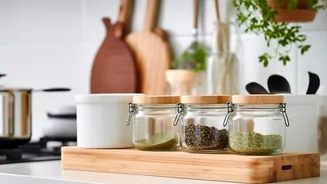
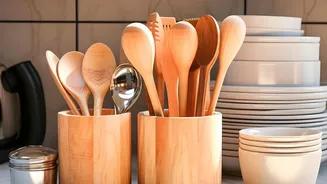
The most effective solution is a simple but revolutionary concept: 'point of use' storage. This philosophy dictates that items should be stored as close as possible to where their function is performed. It’s about creating a home that is intuitive. Spices and cooking oils live next to the stove, not across the room in a pantry. Plates are near the dining table or dishwasher, and your nightly medications are in your bedside drawer, not the bathroom cabinet. By storing items based on function rather than category, you reduce the steps and mental energy needed for daily tasks, which makes tidying up feel less like a chore.
How to Make It Work for You
Transitioning to a point-of-use system doesn't mean creating chaos. It means creating logical 'zones' based on activity. Start by observing your daily routines. Where do you find yourself constantly reaching for the same item? That’s your cue. You might create a small 'morning coffee station' with mugs, coffee, and sugar all in one spot. Or a 'mail processing zone' near the front door with a letter opener, a pen, and a bin for junk mail. Don’t be afraid to have multiples of inexpensive, frequently used items, like scissors or phone chargers, in different rooms where you need them.
Creating Smart Mini-Stations
Think of your home not as a series of containers, but as a series of activity hubs. A rolling cart can be a game-changer, serving as a mobile craft station for kids or a portable home office that can be tucked away. In the kitchen, group items for specific tasks together: a baking zone with flour, sugar, and mixing bowls, or a breakfast zone with cereal and bowls. For families, creating a designated, accessible snack station for children can foster independence and keep them from rummaging through the entire pantry. The key is to make it easy to both access an item and, crucially, put it back.
Finding the Right Balance
This approach isn't about abandoning categories entirely. Some experts, like Marie Kondo, advocate for storing all 'like' items together to give you a clear sense of how much you own. A hybrid approach often works best. You can keep the bulk of your books on a central shelf but allow a small stack of your current reads to live on your nightstand. The majority of your toiletries can stay in the main bathroom, but a small kit of daily essentials can live in your bedroom. The goal isn't a rigid new set of rules, but flexibility. Your home should adapt as your life changes, with storage that can be reconfigured as your needs and habits evolve.