




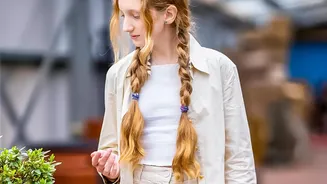
The Basic Fishtail Braid: A Step-by-Step Guide
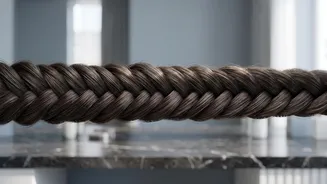
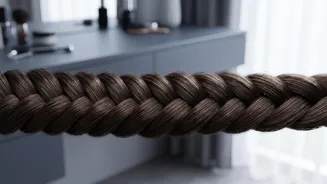
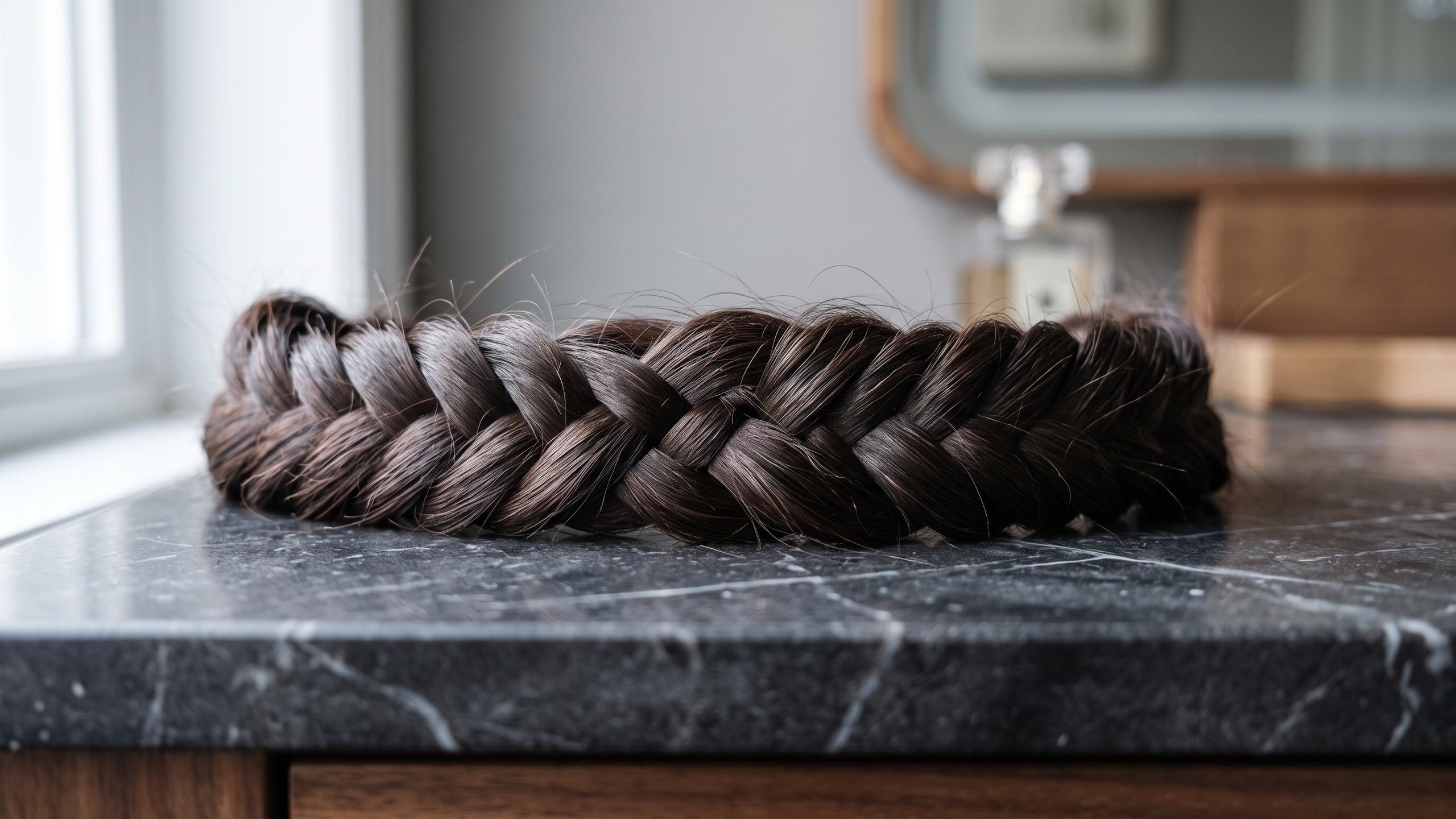
At first glance, the fishtail braid’s complex herringbone pattern seems like it requires advanced skills, but it’s actually a two-strand braid, making it simpler than a classic three-strand version. For beginners, it’s easiest to practice on a side ponytail
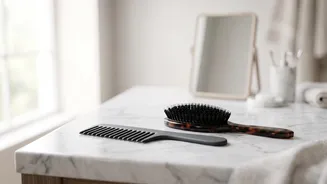
to keep the sections controlled. Start by brushing your hair to remove any tangles. 1. Divide your hair into two large, equal sections. 2. Take a thin strand of hair from the outer edge of the left section. The smaller the strand, the more intricate your braid will look. 3. Cross this small strand over the top of the left section and join it with the inside of the right section. 4. Now, repeat on the other side. Take a thin strand from the outer edge of the right section, cross it over the top, and add it to the inside of the left section. 5. Continue this weaving pattern, alternating sides, all the way down the length of your hair. Try to keep the strands you cross over a consistent size for a neat pattern. 6. Once you have a few inches of hair left, secure the end with an elastic.
Pro Tips for a Flawless Finish
To elevate your fishtail from good to great, a few simple tricks make all the difference. If your hair is freshly washed and too slippery, a light mist of dry shampoo or texturizing spray will add grip and make braiding easier. For a fuller, more voluminous look, a technique called 'pancaking' is key. Once the braid is secured, gently pull on the outer edges of each woven section, starting from the bottom and working your way up. This loosens the braid and makes it appear thicker and more relaxed. If you have layered hair and pieces start to poke out, don't worry. This can add to a desired messy, bohemian look. For a sleeker finish, a few bobby pins can tuck any flyaways discreetly into the plait.
The Effortless Weekend Look: A Messy Braid
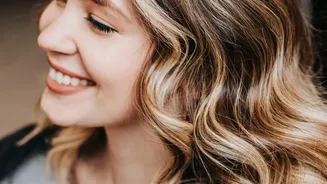
The messy or 'undone' fishtail braid is perfect for a relaxed, bohemian vibe suitable for casual outings, festivals, or a day at the beach. The key to this style is texture. Before you start braiding, curl or wave your hair to give it some body. Don’t worry about keeping the sections perfectly tight as you weave; a looser braid enhances the casual feel. When you’re finished, be generous with the pancaking technique, pulling the sides until the braid has a soft, slightly disheveled look. You can even rub the braid between your hands to create a more tousled texture. Leaving a few face-framing strands loose will soften the style further.
The Chic and Polished Look: A Formal Braid
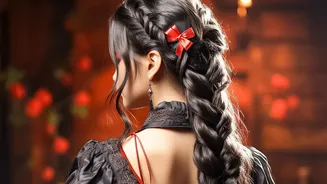
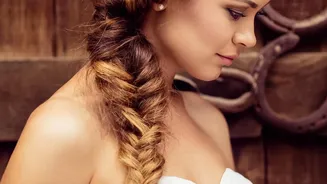
A fishtail braid can be incredibly elegant and is a beautiful choice for formal events like weddings, proms, or parties. For a sleek side braid, start with smooth, brushed hair and keep the tension firm as you braid, using smaller, consistent sections for a refined herringbone pattern. Another stunning option is a fishtail updo. You can achieve this by creating a classic fishtail braid—either down the back or to the side—and then coiling it into a bun at the nape of your neck, securing it with bobby pins. This creates a textural bun with more dimension than a simple twist. Accessorising with a decorative clip, barrette, or even weaving a thin ribbon through the plait can elevate the style for a special occasion.
Variations for Every Hair Type and Occasion
The beauty of the fishtail is its adaptability. For a professional office look, a tight fishtail ponytail offers a polished and stylish alternative to a standard pony. Simply tie your hair in a high or low ponytail and then fishtail the length. For those with shorter hair, a half-up fishtail is a great option. Braid the top section of your hair and leave the rest down for a playful style. You can also try a French fishtail, which involves adding new hair from the scalp into each strand as you cross it over, similar to a traditional French braid. This style works well for keeping all your hair securely in place and creates a beautiful pattern that starts at the crown.