




The Science of Winter Hair Woes
The core of the issue lies in the relationship between your hair and the humidity of the surrounding air. Hair is hygroscopic, meaning it can absorb moisture from the air or release it. During humid summer months, dry hair pulls moisture from the air,
causing the hair shaft to swell unevenly and create frizz. In winter, the opposite happens. Cold outdoor air holds very little moisture, and indoor heating systems make the air even drier. This low-humidity environment creates a moisture imbalance where the dry air actively draws water out of your hair strands. This process lifts the hair's protective outer layer, known as the cuticle, leaving it rough, exposed, and leading to that familiar winter frizz and static.
Why Curls Are Especially Vulnerable
While all hair types are affected by dry winter air, curly hair is uniquely susceptible to dehydration. The elliptical shape of the hair follicle that creates a curl also makes it more difficult for natural oils from the scalp to travel down the hair shaft. This means the lengths and ends of curly hair are naturally drier and less protected than straight hair. Furthermore, the structure of a curl means its cuticle layer is already slightly raised compared to straight hair, making it more porous. This higher porosity allows moisture to escape more easily, a problem that is significantly worsened by the thirsty winter air, leading to brittleness, loss of definition, and increased risk of breakage.
Adjust Your Wash Day for More Moisture
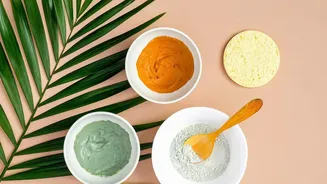
Combating winter dryness begins with your washing routine. Consider reducing the frequency of shampooing to preserve natural oils. When you do wash, opt for a gentle, sulfate-free moisturising shampoo or try 'co-washing', which means washing your hair only with conditioner. Winter is the ideal time to make deep conditioning a consistent part of your routine. Aim to use a rich, hydrating hair mask at least once a week. For an extra boost, apply the mask and then use gentle heat—like sitting under a hooded dryer or wrapping your hair in a warm towel—to help the conditioning ingredients penetrate the hair shaft more effectively.
Master the Art of Layering Products
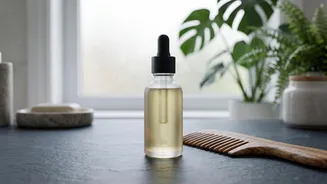
In winter, a single styling product is often not enough to keep curls hydrated. This is where product layering methods like the LOC or LCO method come in. The acronyms stand for the order of application: Liquid, Oil, Cream, or Liquid, Cream, Oil. The 'Liquid' step involves hydrating the hair with water or a water-based leave-in conditioner. This provides the moisture. The 'Oil' step uses a natural oil like argan or jojoba to help seal that moisture in. The 'Cream' is a curl cream that provides further moisture and helps define the curl pattern. For highly porous hair that loses moisture quickly, the LOC method is often recommended. For low-porosity hair, which can be weighed down easily, the LCO method might be more effective as the cream goes on before the final sealing oil.
Protect Your Curls from the Elements
Your fight against winter dryness doesn't stop with your styling routine. Physical protection is just as crucial. The friction from wool or cotton hats and scarves can cause tangles, breakage, and more frizz. To prevent this, invest in a hat lined with silk or satin. These smooth materials reduce friction and won't absorb moisture from your hair like other fabrics do. At night, sleeping on a silk or satin pillowcase serves the same purpose, protecting your curls from moisture loss and friction while you sleep, ensuring you wake up with healthier, more defined hair.