


The Art of Flavour Layering
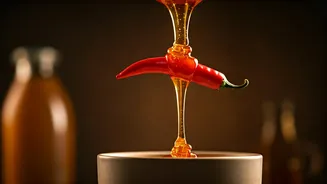
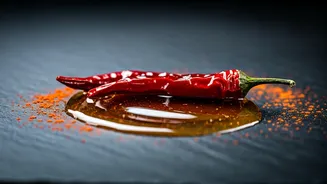
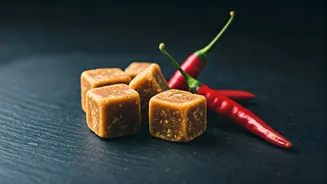
At its core, the sweet-heat combination is a masterclass in sensory balance. The initial sweetness, often from ingredients like jaggery, honey, or fruits, coats the palate, preparing it for the delayed kick of chilli. This layering isn't just for show;
it creates a complex, moreish experience where each flavour enhances the other. The sugar tempers the chilli's fire, allowing its fruity and smoky notes to shine through, while the heat cuts through the sweetness, preventing the dish from becoming cloying. This principle is deeply embedded in Indian cooking, which often seeks to balance six primary tastes: sweet, sour, salty, pungent, bitter, and astringent. The sweet-spicy pairing is a perfect embodiment of this philosophy, creating a rounded and deeply satisfying flavour profile.
A Journey Through History's Spice Cabinet
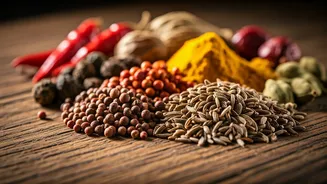
The love for sweet and spicy flavours is as old as India's spice trade. For millennia, India's tropical climate has been ideal for growing spices like black pepper, cardamom, and cinnamon. Sweetness was derived from natural sources like honey, fruits, and sugarcane, which was first refined into crystals in India around the third century BCE. The game-changer, however, was the arrival of the chilli pepper, introduced by the Portuguese in the 16th century. It was quickly adopted and cultivated across the subcontinent, integrating seamlessly into regional cuisines. This historic blend of indigenous sweet ingredients and globally sourced heat is the foundation of the flavour profile we celebrate today. It's a taste born from India's unique position as a cradle of spices and a hub of global trade.
A Delicious Tour Across India
This flavour combination isn't confined to one region; it's a pan-Indian phenomenon. In Gujarat, 'khatti meethi' (sour and sweet) is a hallmark, evident in dishes like Gujarati dal, where jaggery and tamarind are balanced with subtle spices. Head east to Bengal, and you'll find an array of sweet and spicy chutneys, like tomato-khejur chutney, that act as palate cleansers at the end of a meal. In Maharashtra, the unique Goda Masala, a spice blend with a subtly sweet aroma from ingredients like stone flower and dried coconut, forms the base of many local dishes. Down south, Kerala's Puli Inji is a fiery, tangy, and sweet chutney made from ginger, tamarind, green chillies, and jaggery, traditionally served during the Onam sadhya. And in Parsi cuisine, the iconic Dhansak balances lentils and meat with a delicate sweet and sour profile.
The Modern 'Swicy' Flex
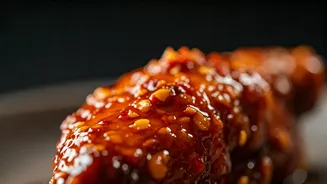
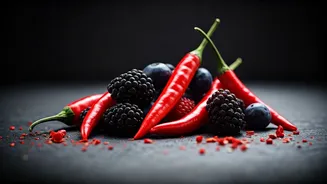
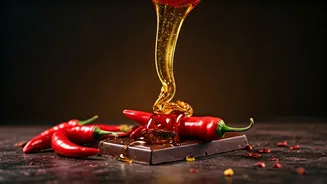
While this combination is traditional, it is anything but dated. Today, the 'swicy' trend is taking social media by storm, but India has been the quiet champion of this profile for generations. From street food stalls selling chilli-dusted guava and fruit chaat to modern Indian restaurants creating honey-chilli potatoes, the sweet-heat pairing is constantly being reinvented. Chefs are using it in glazes, sauces, and even cocktails, proving its versatility. This isn't just a fleeting trend; it’s a recognition of a flavour logic that Indian cuisine perfected long ago. The global obsession with 'fricy' (fruit and spicy) snacks, like watermelon with chilli flakes, is something long familiar to any Indian who has enjoyed raw mango with salt and spice. It's a culinary flex that is both deeply traditional and incredibly modern.