






Before You Leave: The Pre-Monsoon Check
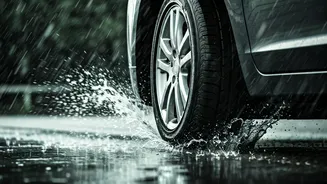
The best way to handle a monsoon journey is to prepare before the rain even starts. A pre-monsoon vehicle check is non-negotiable. Your tyres are the single most important safety component, as their grip is all that connects you to the slippery road.
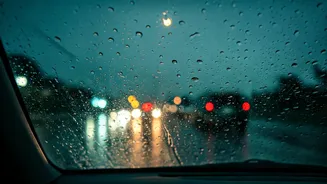
Ensure your tyres have adequate tread depth—at least 2-3 mm is recommended—to effectively channel water and prevent aquaplaning. Equally crucial are your brakes. Wet conditions significantly increase braking distances. Have your brake pads, discs, and fluid levels checked by a professional. Finally, test all your lights: headlights, taillights, indicators, and fog lamps. In a downpour, visibility drops dramatically, and being seen is as important as seeing. Replacing worn-out wiper blades is another simple but critical step for maintaining a clear view of the road ahead.
On the Road: Defensive Driving is Key
Once you're on the move, your driving style needs to adapt to the wet conditions. The most important rule is to slow down. Reduced speed gives you more time to react to hazards and maintains better control of the vehicle. Maintain a much larger distance from the vehicle in front of you—at least twice the normal gap. This accounts for the increased stopping distance on wet surfaces. Be gentle and smooth with all your inputs: braking, accelerating, and steering. Sudden, aggressive movements can easily cause a skid. Avoid puddles and waterlogged areas whenever possible. You never know how deep they are or what hazards, like open manholes or deep potholes, might be hidden beneath the surface. Driving through deep water can also cause immense damage to your engine and electrical systems.
Special Care for Two-Wheeler Riders
Riding a motorcycle or scooter in the rain presents a unique set of challenges. In addition to vehicle checks like tyres and brakes, riders must invest in proper gear. A high-visibility raincoat in yellow or orange and a full-face helmet with an anti-fog visor are essential for staying dry and visible to other drivers. Use reflective stickers on your helmet and bike to enhance visibility further. When riding, be extra cautious of slippery road markings and oily patches, which become treacherous when wet. Apply brakes gently, using both front and rear brakes progressively to avoid locking the wheels and skidding. If caught in a heavy downpour that severely limits visibility, it's always safer to pull over to a safe spot and wait for the rain to subside.
Planning and Health Precautions
Safe monsoon travel isn't just about what you do on the road. It begins with smart planning. Always check the weather forecast for your route and destination before you leave home. Be prepared for delays, as traffic jams and disruptions are common. It’s a good practice to keep your fuel tank topped up. Pack an emergency kit containing a first-aid kit, a flashlight, a tow rope, and jumper cables. From a health perspective, the monsoon season sees a spike in water-borne and vector-borne diseases like cholera, dengue, and malaria. Avoid consuming street food and water from unreliable sources. Carry your own purified water and stick to freshly cooked meals. Use mosquito repellent and wear full-sleeved clothing to protect against bites.