






The Economics of a Quick Escape
For many young professionals and students, the idea of a long, elaborate vacation is a financial mountain too high to climb frequently. Two-day staycations, or 'micro-vacations', present a far more accessible alternative. Instead of a significant one-time
expense on long-distance flights and week-long hotel stays, the cost is broken down into smaller, more manageable chunks. A weekend trip to a nearby hill station, a boutique farm stay, or a coastal town is significantly lighter on the wallet. This affordability allows for more frequent travel, transforming it from a once-a-year luxury into a regular part of their lifestyle. With less money spent on logistics, there's more to spend on quality experiences, whether it's a premium meal, a unique workshop, or simply a more comfortable and aesthetically pleasing stay.
A Remedy for Modern Burnout
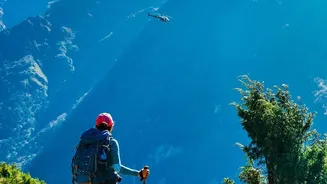
The pressures of a fast-paced work and academic culture have made mental exhaustion and burnout a real concern for young Indians. The constant connectivity and demanding schedules mean that waiting an entire year for a break is no longer sustainable. Experts now suggest that taking short, regular breaks every few weeks is more effective at managing stress and maintaining productivity than one single long holiday. Staycations serve as a perfect pressure-release valve. They offer a tangible escape from the daily grind without the added stress of extensive planning, long travel days, or the anxiety of being completely disconnected for too long. More than half of Indian travellers now take trips simply because they need a break, framing these getaways as 'cheaper than therapy'. It's a proactive approach to wellness, a scheduled reset button to combat the fatigue of modern life.
The Allure of the 'Grammable' Getaway
Social media, particularly Instagram, has profoundly influenced the travel choices of Gen Z and millennials. Over 60% of young Indian travellers admit that social media platforms influence their destination choices. The focus has shifted towards experiences that are not just enjoyable but also visually compelling and shareable. Boutique hotels, heritage properties, and unique homestays with distinctive architecture and a strong aesthetic appeal are in high demand. A recent survey revealed that 63% of young travellers often choose a location specifically for the accommodation rather than the destination itself. The two-day trip is perfectly suited for this, allowing for a concentrated burst of 'Instagrammable' moments, from the design of the room to a scenic brunch spot, without the need for a sprawling, week-long itinerary.
From Tourist Traps to Authentic Finds
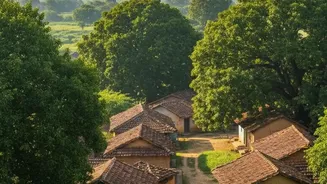
There's a growing desire among young travellers to move beyond crowded tourist hubs and discover authentic, offbeat destinations. The goal is no longer just to tick famous landmarks off a list but to immerse oneself in local culture, food, and experiences. This generation seeks meaning and connection, and a shorter trip allows for a deeper dive into one specific place. An Airbnb report highlighted that 90% of young travellers find more joy in discovering unknown places than visiting top attractions. This has fuelled the popularity of nearby micro-destinations, heritage stays, and eco-lodges that offer a genuine sense of place. The staycation model encourages exploring one's own backyard, revealing hidden gems that were previously overlooked in the race to book an international flight.
Flexibility is the New Freedom
The post-pandemic era has normalised flexible work arrangements for many, further fuelling the rise of short, spontaneous trips. The ability to work remotely on a Friday or Monday makes it easy to extend a weekend for a three-day getaway without dipping into limited annual leave. This flexibility has led to much shorter booking windows, with many trips planned just days in advance, driven by impulse and the simple desire for a change of scenery. Seven in ten young adults now prefer taking multiple short trips over one long annual holiday. This shift reflects a new mindset where travel is seamlessly integrated into life, rather than being a major event that life must be planned around.