






Am I Truly Present with My Pet?
In our busy lives, it's easy to treat pet interaction as another task on the to-do list: a quick pat on the head while scrolling through our phones, or a distracted walk while thinking about work. However, research increasingly points to the value of
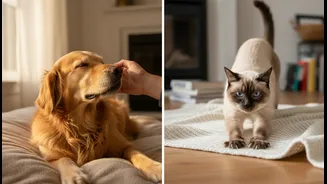
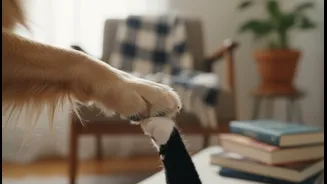
mindfulness in these moments. Being fully present when you stroke your cat or play fetch with your dog can transform the experience for both of you. This means paying attention to the texture of their fur, the sound of their purr, or the joyful abandon in their play. Studies show that such mindful interactions can lower our levels of the stress hormone cortisol and boost mood-enhancing chemicals like serotonin and dopamine. Pets live entirely in the present moment, and they invite us to join them there. By focusing our full attention, even for a few minutes, we deepen our connection and reap greater psychological rewards.
What is Our Shared Body Language?
Communication with our pets is a two-way street, but it doesn't involve words. The entire dialogue happens through body language. The crucial question is: are we listening? A dog’s wagging tail doesn't always mean happiness, and a cat’s purr can sometimes signal distress, not just contentment. Learning to read their signals—the flick of an ear, the posture of the body, the look in their eyes—allows us to respond to their needs more effectively. This builds trust and security. In turn, our own body language matters. A calm, gentle touch is very different from a rough, hurried pat. Studies on human-animal interaction show that physical touch is a basic human need, and the simple act of stroking a pet can lower blood pressure and calm our nerves. When you and your pet are in sync, you are co-regulating each other's nervous systems, creating a shared state of calm.
Is Our Interaction Routine or Relational?
Daily routines are essential for pets, providing structure and security. Feeding time, walks, and grooming are all important. However, there's a risk that these interactions become purely transactional. Are you just filling a bowl, or are you sharing a moment? Are you just walking the dog to get it over with, or are you exploring the world together? The difference lies in intention. Shifting from a task-based mindset to a relationship-focused one enriches the bond. For example, turning feeding time into a brief training session or a game with a puzzle feeder engages your pet’s mind. During a walk, letting your dog sniff and explore their environment fulfills their instinctual needs. These small shifts don’t require more time, but they infuse daily routines with connection, making your pet feel understood and valued beyond their basic needs being met.
How Does This Contact Feel, Right Now?
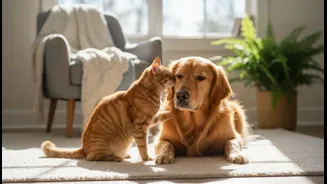
The science behind why petting an animal feels good is clear. Physical contact with a friendly animal triggers the release of oxytocin, often called the 'love hormone'. This is the same hormone that facilitates bonding between mothers and babies. It fosters feelings of trust, empathy, and connection, and it happens in both you and your pet. So, the next time you are cuddling your dog or cat, take a moment to notice the physical sensations. Feel your heart rate slow down and your breathing become deeper. Research shows that even ten minutes of positive interaction can have measurable physiological effects, reducing stress and boosting your mood. This isn't just a vague sense of happiness; it's a biochemical process that affirms the healing power of the human-animal bond. It serves as a powerful reminder that in moments of stress, a few minutes with your pet can be a genuine form of sensory relief.
Are We Just Coexisting or Truly Connecting?
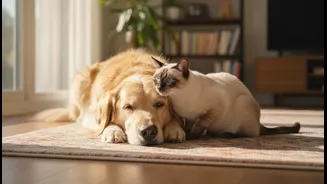
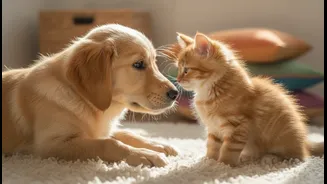
Simply living in the same house as a pet provides some benefits, like reduced loneliness. But the most profound effects come from active engagement and shared experiences. Are you creating opportunities for connection beyond the basics of care? This could be as simple as a regular play session that you both enjoy, teaching a new trick, or just sitting quietly together. For dog owners, shared activities might include hiking or visiting a new park. For cat owners, it might be finding a new interactive toy or simply observing the world together from a window. Pets can serve as social catalysts, helping us meet new people, but their primary role is often that of a non-judgmental confidant. They provide unconditional love and support, which is a cornerstone of mental well-being. By investing in that relationship, we move beyond being just an owner and become a true companion.