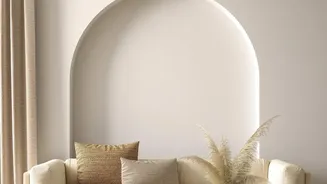



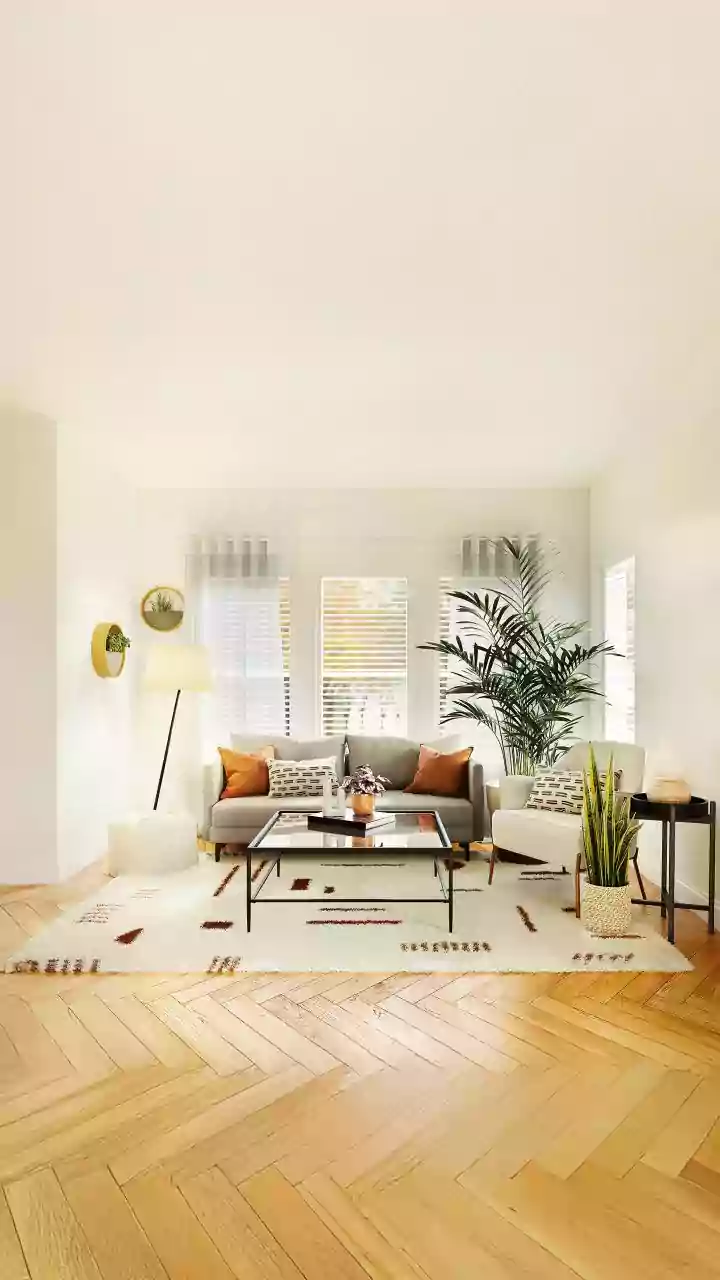




Creating a sanctuary at home often starts with colour. A neutral palette offers a timeless foundation for a calm, restorative living space, but the secret to success goes beyond just picking beige or white paint. Here's how to get it right.
1. Layer Multiple Textures
A room decorated
in a single neutral tone can feel flat or sterile. The key to adding depth and warmth without introducing bold colour is texture. Think of your space in layers. Start with a foundational texture, like a large wool or jute rug that feels good underfoot. Then, add upholstered furniture in fabrics like linen, soft cotton, or the popular and cozy bouclé. From there, build smaller textural moments with accessories. Chunky knit throws, velvet cushions, and woven rattan baskets introduce tactile variety that makes the space feel rich and inviting. The interplay between smooth and rough surfaces—like a sleek stone coffee table topped with a rustic ceramic vase—creates a dynamic yet soothing environment.
2. Incorporate Natural Materials
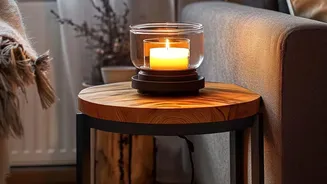
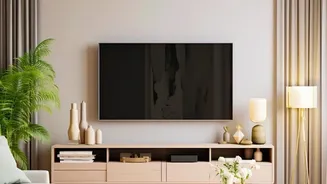
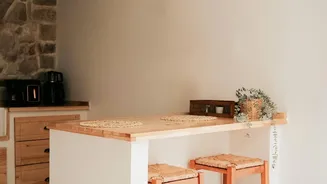
Bringing the outdoors in is a powerful way to enhance the calming effect of a neutral palette. Natural materials connect us to the environment and add a layer of authenticity that synthetic materials often lack. Warm woods are a perfect starting point; a wooden coffee table, sideboard, or even picture frames can ground a room and balance cooler tones. Beyond wood, consider other organic elements like stone, clay, and plant fibres. A marble side table, terracotta pots, or a large mirror framed in rattan add subtle character. Finally, don't forget living greenery. A few well-placed plants can add a touch of life and a gentle splash of natural colour, completing the serene, nature-inspired feel.
3. Play with Tonal Variations
A sophisticated neutral space is rarely just one colour. Instead, it relies on a tonal palette, layering different shades within the same colour family to create depth. Rather than pure white, which can feel stark, consider warmer, softer off-whites like ivory or cream for your walls. From there, build out with furniture and textiles in shades of beige, taupe, mushroom, and greige (a mix of grey and beige). The subtle shifts between these tones create a cohesive look that is visually interesting without being overwhelming. This approach makes a room feel intentionally designed and thoughtfully collected, proving that a space devoid of bright colour can still be full of character.
4. Harness Light, Both Natural and Artificial
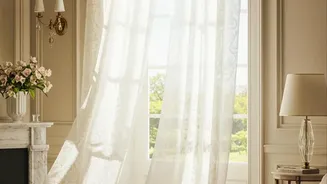
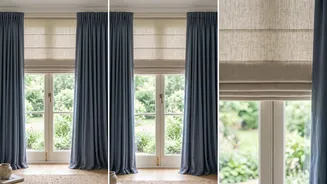
Light is a crucial, and often overlooked, element in design. The way light interacts with your neutral palette can dramatically change the mood of a room. During the day, maximize natural light with sheer linen or cotton curtains that filter sunlight softly rather than blocking it. A large, well-placed mirror can also do wonders, bouncing light around to make the space feel brighter and more open. In the evening, avoid harsh overhead lighting. Instead, opt for layered lighting to create a cozy glow. Use a combination of floor lamps, table lamps, and perhaps accent lighting on artwork to create warm pools of light that make the room feel intimate and relaxing.
5. Add a Touch of Contrast with Metallics and Black
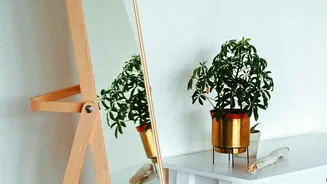
While the goal is a calm space, a complete lack of contrast can make a room feel undefined. A small dose of a darker, contrasting element can provide structure and a point of focus. A bit of black—in a thin picture frame, the leg of a chair, or a piece of decorative hardware—can ground a neutral scheme and make the lighter tones around it pop. Similarly, metallic accents can add a layer of sophistication. Warm metals like brass, bronze, or gold introduce a subtle shimmer and warmth, working beautifully in lighting fixtures, mirror frames, or small decorative objects. These finishing touches prevent the decor from feeling monotonous while maintaining the overall serene aesthetic.