





Why Texture Is Your Style's Secret Weapon
Relying only on colour and pattern can sometimes make an outfit feel visually flat. Texture, however, adds a whole new dimension. It’s the surface quality of a fabric—how it looks and feels—and it plays a crucial role in how a garment is perceived. Mixing
textures creates depth and prevents an ensemble, especially a monochromatic one, from looking monotonous. A rough, tactile surface absorbs light, while a smooth, sleek one reflects it. This interplay creates subtle highlights and shadows, adding a layer of sophistication that colour alone often cannot achieve. It makes an outfit more dynamic and engaging to both the eye and the touch.
The Perfect Pair: Smooth Linen and Nubby Knits
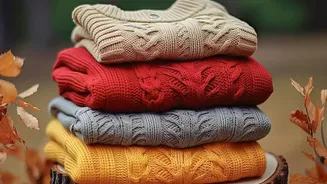
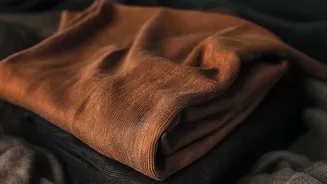
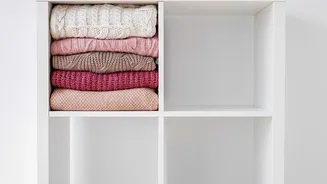
Linen and knits are a match made in textural heaven because they are, in many ways, complete opposites. Linen is known for its crisp, smooth surface and structured drape. It has a flat, matte quality that feels cool and collected. Nubby knits, on the other hand, are all about three-dimensional texture. These are yarns deliberately spun with irregularities, creating small, raised bumps or loops on the surface. Think of a classic cable-knit or a chunky wool sweater. When the sleek plainness of linen meets the raised, complex surface of a nubby knit, the contrast is immediate and compelling. Each fabric makes the other’s unique qualities stand out more, creating a look that feels both balanced and intentionally designed.
How to Master the Combination
Styling these two textures is surprisingly versatile and works well across seasons. For a classic transitional look, pair wide-leg linen trousers with a chunky, nubby knit sweater. The clean lines of the pants ground the bulkier texture of the top. In warmer weather or for an indoor setting, a smooth linen dress layered with a lightweight, open-knit cardigan provides both comfort and visual interest. Another polished combination is a crisp linen button-down shirt worn under a knitted sweater or vest, letting the collar and cuffs peek out for a structured yet cosy feel. The key is often to keep the silhouettes simple to let the power of the textural contrast shine.
Tips for Nailing the Look
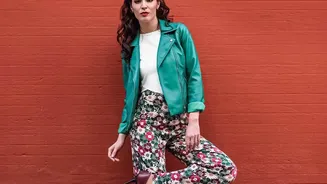
To make this pairing work seamlessly, keep a few things in mind. First, consider your colour palette. Sticking to a neutral or monochromatic scheme allows the textures to truly take centre stage without competing with bold colours. Shades of cream, beige, grey, and navy work exceptionally well. Second, play with proportions. If you're wearing a very oversized, chunky knit, balance it with a more streamlined linen bottom. Finally, don't be afraid to accessorise with other textures. A smooth leather belt or a suede bag can further enhance the tactile richness of the outfit, tying the whole look together.
Beyond the Wardrobe: Texture at Home
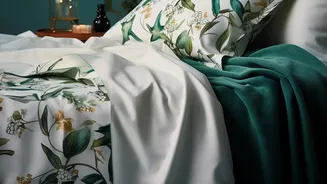
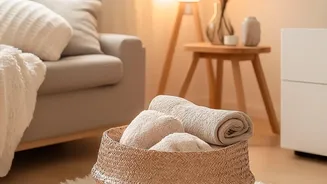
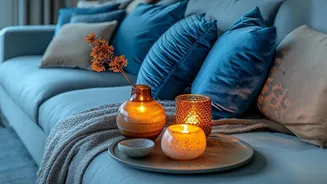
The same principle of combining smooth and rough textures applies beautifully to interior design, creating spaces that feel layered and inviting. Imagine a living room with smooth linen curtains catching the light, complemented by a nubby knit throw draped over a sofa. The contrast adds depth and character, preventing the room from feeling one-dimensional. A smooth wooden coffee table can be balanced with a rough, hand-woven rug. Just as in fashion, layering different textures like glass, wood, stone, and various fabrics creates a richer, more dynamic environment without relying solely on colour or pattern.