

The Protein Pinch on Your Purse
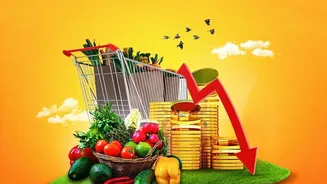
The steady drumbeat of rising food costs has become a familiar, if unwelcome, rhythm in households across India. Recent reports show food inflation remains a significant concern, with prices for essential commodities, including pulses, seeing sharp increases.
For many families, this translates into difficult decisions in the kitchen, as the cost of protein—a vital building block for health, especially for children—stretches the monthly budget. The price of staples like tur dal and chana has climbed due to factors like erratic weather affecting harvests and increased festive demand. This economic pressure is forcing a closer look at the options available on the shelves. It’s no longer just about what tastes good, but what offers the best nutritional value for every rupee spent.
The Evergreen Staple: Dal
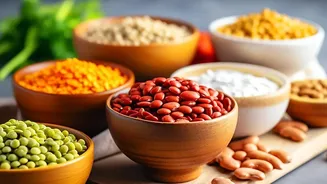
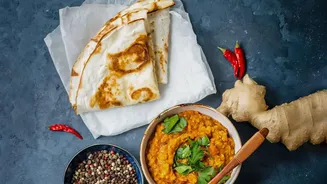
Dal is more than just food; it's a daily ritual and a source of comfort in millions of Indian homes. From the simple dal-rice to complex preparations, lentils are the backbone of our cuisine. Nutritionally, they are champions. A 100-gram serving of cooked lentils provides roughly 9 grams of protein, alongside a healthy dose of dietary fibre, which aids digestion and keeps you feeling full. They are also rich in essential micronutrients like iron and folate. While prices for popular varieties like tur and moong have been volatile, dals remain one of the most accessible protein sources. Their strength lies in their simplicity and consistency. A well-made dal is a nourishing, soulful meal that has sustained generations. Its reliability, both in the kitchen and for our health, is why it will always be a staple.
The Versatile Powerhouse: Chickpeas
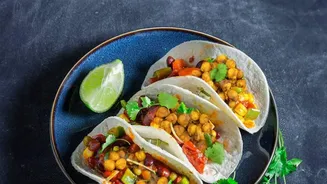
Chickpeas, or chana, are the social butterflies of the legume world. Whether it’s the star of a robust chana masala, the base of creamy hummus, or roasted into a crunchy snack, their versatility is unmatched. In terms of protein, cooked chickpeas offer a solid 8-9 grams per 100 grams. They are also an excellent source of minerals and fibre. While whole chickpeas might have a slightly lower protein density compared to some dals like chana dal, their culinary flexibility is a huge advantage. You can build an entire meal around them, toss them into salads for a protein boost, or grind them into flour (besan) for everything from pakoras to dhokla. Though chickpea prices have also seen an upward trend recently, their ability to feature in breakfast, lunch, dinner, and snacks makes them a valuable and cost-effective player in any kitchen.
The Modern Contender: Soy
Often sold as 'meal maker' or nuggets, soya chunks are a modern marvel of affordability and nutrition. Made from defatted soy flour, they are a protein heavyweight. A 100-gram serving of dry soya chunks can contain over 50 grams of protein, which is significantly more than any lentil or legume. Once rehydrated, they have a meaty texture that makes them an excellent substitute in dishes that traditionally use chicken or mutton. Soya is also considered a 'complete protein', meaning it contains all nine essential amino acids our bodies need, similar to animal protein. In terms of cost, soya chunks are often the cheapest source of protein per gram you can buy. Their ability to absorb the flavours of masalas makes them a delicious and incredibly efficient way to meet your family's protein needs without straining your wallet.
The Final Weigh-In: A Head-to-Head Comparison
So, how do they stack up? For pure protein density and budget-friendliness, soya chunks are the undisputed winner. They deliver the most protein for the lowest cost. For all-around nutrition, including high fibre and other micronutrients, dal and chickpeas are fantastic choices. Cooked dal and chickpeas offer similar protein content, but their uses differ. Dal is perfect for soupy, comforting staples. Chickpeas shine in their versatility, adaptable to a wider range of dishes and snacks. Soybeans (the source of soya chunks) also contain more protein than cooked chickpeas or lentils. The choice ultimately depends on your goal. Need to maximise protein on a tight budget? Reach for soya chunks. Looking for a familiar, fibre-rich staple? Stick with dal. Want a versatile ingredient that can do it all? Chickpeas are your friend.