




Why Fixed Plans Fail in the Monsoon
The Indian monsoon is a powerful and often unpredictable force. A sunny morning can turn into a torrential afternoon with little warning, leading to waterlogged roads, travel delays, and the closure of outdoor attractions. For travellers on a tight schedule,
this can be a source of major frustration. A rigidly planned trip, where Day 1 is for the beach and Day 2 is for a hill trek, leaves no room for nature's whims. If it rains heavily on your designated beach day, that activity is lost. This is why seasoned monsoon travellers advocate for a different approach: planning for flexibility from the very beginning.
The Art of a Fluid Itinerary
A flexible itinerary isn't about having no plan; it’s about having a smarter one. Instead of assigning specific activities to specific days, create a list of potential experiences for your destination. Think of it as a menu of options. You might list 'Visit the tea plantations,' 'Explore the local market,' 'Trek to the waterfall,' and 'Spend an afternoon at a cozy cafe' as possibilities. Each morning, you can check the weather forecast and your energy levels, and then choose the most suitable activity from your list. This approach turns the weather from a potential spoiler into just another factor in your decision-making, allowing you to adapt and enjoy whatever the day brings.
Choosing the Right Kind of Destination
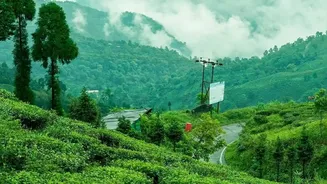
Flexibility is much easier to achieve in some places than in others. The ideal monsoon destination offers a healthy mix of indoor and outdoor activities. Locations like Goa, for instance, offer lush spice plantations to explore on a clear day, but also charming old churches, museums, and vibrant cafes for when it pours. Similarly, the hill stations of Kerala like Munnar or Coorg in Karnataka are famous for their verdant landscapes and waterfalls, but also have tea factories to tour and local homestays where you can simply relax with a book and watch the rain. Choosing a place with this inherent variety ensures you always have a fantastic Plan B ready to go.
Build In Buffer Days and Downtime
One of the most effective strategies for a stress-free monsoon trip is to intentionally under-schedule your time. Instead of trying to cram activities into every available hour, build buffer days into your trip. These are days with nothing planned, which can be used to accommodate an activity that was rained out earlier or simply for spontaneous exploration. Transportation during the monsoon can also be prone to delays, from slow-moving trains on wet tracks to flights rerouted due to poor visibility. Having that extra day provides a crucial shock absorber, ensuring that a single delay doesn't disrupt your entire journey. It also gives you permission to slow down and simply enjoy the unique atmosphere of the season, like the sound of rain on a roof.
Practicalities That Enable Flexibility
Your packing and booking choices can also support a more adaptable travel style. Opt for quick-drying clothes over heavy materials like jeans. A reliable waterproof jacket and shoes with good grip are non-negotiable. Carry waterproof bags or zip-lock pouches to protect your electronics and important documents. When it comes to bookings, look for accommodations that offer some flexibility, and if you're planning a road trip, ensure your vehicle is serviced and ready for wet conditions. Hiring a car for the duration of your stay, rather than relying on point-to-point transport, can also grant you the freedom to change plans on the fly.