





The Problem with a Numbers Game
Remember the food pyramid? It was one of the first mainstream attempts to simplify nutrition, but it led to a generation focused on counting servings. Since then, the approach has become even more granular, with an emphasis on counting calories, grams
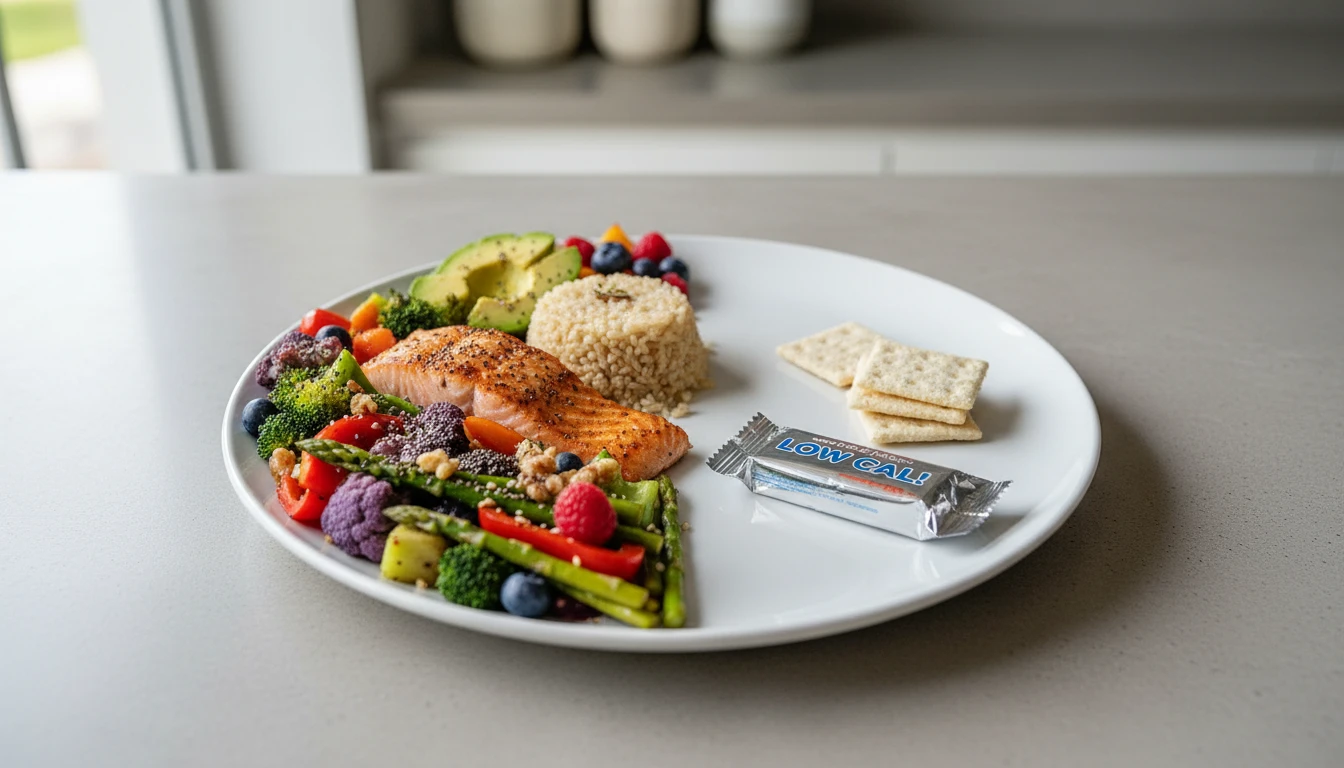
of fat, protein, and carbohydrates. This nutrient-based model, often called reductionism, simplifies food to its components rather than its whole. While it can be useful for understanding basics, this method has significant downsides. Critics argue that focusing solely on numbers overlooks the quality of the food. A hundred calories from an avocado affects your body differently than a hundred calories from a sugary drink. Obsessing over numbers can also create a stressful relationship with food, leading to anxiety rather than enjoyment and nourishment. This approach often fails to deliver sustainable, long-term health benefits because it’s tedious and overlooks the complex ways foods interact within our bodies.
Enter Dietary Patterns
Instead of zooming in on individual nutrients, the dietary pattern approach zooms out. It considers the big picture: the combination of different foods, drinks, and nutrients in a person's diet over time. Think of it as the overall theme of your eating habits. The World Health Organization and other public health bodies are increasingly promoting this holistic view. The focus is on variety, nutrient density, and the synergy between different foods. This approach recognizes that the health benefits of a diet come from the combined effect of all its parts, not just one or two 'superfoods' or the absence of a single 'bad' nutrient. It’s a more flexible and realistic way to think about food, accommodating cultural traditions and personal preferences without rigid rules.
Healthy Patterns in Practice
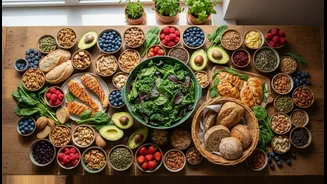
So, what does a healthy dietary pattern look like? There isn't just one. Several well-researched patterns have been linked to positive health outcomes. The Mediterranean-style pattern, for instance, emphasizes fruits, vegetables, whole grains, seafood, and healthy fats like olive oil, while being lower in dairy and red meat. Studies have consistently linked it to better heart health. Another well-regarded example is the DASH (Dietary Approaches to Stop Hypertension) diet, which focuses on similar whole foods to help manage blood pressure. Even vegetarian and traditional eating patterns can be incredibly healthy. The common thread among these is a foundation of minimally processed, plant-forward foods. They encourage eating a variety of whole fruits and vegetables, lean proteins, and whole grains while limiting added sugars, sodium, and unhealthy fats.
Why This Shift Is Happening Now
The move toward dietary patterns is driven by a growing body of scientific evidence. Large-scale studies show that a person's overall eating pattern is a much better predictor of their long-term health and risk for chronic diseases like diabetes and heart disease than their intake of any single nutrient. The old low-fat craze, for example, led many to replace fat with refined carbohydrates and sugar, which likely contributed to worsening health outcomes. Scientists now better understand the 'food matrix'—the idea that the structure of a food and the interaction of its nutrients affect how it's digested and used by the body. Furthermore, there's a greater appreciation for the psychological side of eating. Pattern-based eating encourages a more positive and sustainable relationship with food, moving away from a restrictive mindset to one of abundance and variety.
How to Adopt a Pattern-Based Approach
Making the switch from counting numbers to building a pattern doesn't have to be overwhelming. You can start with small, simple changes. Instead of banning foods, focus on adding them. Aim to add one more serving of vegetables to your dinner plate or swap a refined grain like white bread for a whole-grain option. Think about making half of your plate vegetables and fruits at every meal. Prioritize food quality by reading ingredient lists and choosing foods with fewer, more recognizable ingredients. Another simple rule is to 'eat the rainbow,' ensuring you get a wide variety of nutrients from different colourful plant foods. The goal is to build consistent habits over time, focusing on progress, not perfection. This shift allows you to enjoy your food while nourishing your body for the long haul.