






Why Your Regular Runners Fall Short
Standard running shoes are designed for predictable surfaces like dry pavement or a track. Their rubber outsoles often harden in the cold, reducing flexibility and grip. Furthermore, the shallow tread on most road shoes is no match for packed snow or,
worse, black ice. Beyond traction, many regular running shoes feature breathable mesh uppers, which are great for warm weather but do little to protect your feet from cold air, slush, and moisture, setting you up for frozen toes and a miserable experience.
The All-in-One: Winter-Specific Running Shoes
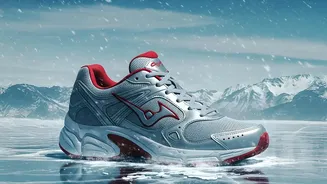
For dedicated winter runners, investing in a pair of winterized running shoes is the most seamless solution. These shoes are engineered with features specifically for cold and slippery conditions. Look for models with Gore-Tex (GTX) or other waterproof membranes to keep your feet dry and warm. The key feature, however, is the outsole. Winter shoes often use a softer rubber compound that stays flexible in the cold, combined with aggressive, deep lugs that bite into snow. Some even come with metal studs or carbide tips embedded directly into the sole for maximum grip on icy patches, providing confidence with every step.
The Adaptable Option: Removable Traction Devices
If you don't want to commit to a new pair of shoes or your route includes a mix of icy spots and clear pavement, removable traction devices are an excellent, versatile choice. These slip-on accessories fit over your existing running shoes. For light snow and slush, coiled devices like the Yaktrax Pro offer good flexibility. For more serious ice and packed snow, look for microspikes. These feature small metal spikes or teeth attached to a harness that provide aggressive, reliable grip. Brands like Kahtoola and Black Diamond are popular choices among trail runners and hikers. Another option specifically for runners, the Yaktrax Run, combines coils under the heel with carbide spikes under the forefoot to accommodate a natural running stride.
The DIY Solution: Screw Shoes
A popular and cost-effective trick in the running community is the 'screw shoe'. This involves driving short, hexagonal-head sheet metal screws into the thickest parts of an old pair of running shoes' outsoles. About 10 to 15 screws per shoe, placed strategically along the perimeter of the sole, can provide surprisingly effective traction on ice. This method is best reserved for a retired pair of shoes you can dedicate to your iciest runs, as the screws will render the shoes uncomfortable and damaging to indoor surfaces. It's a gritty, effective solution for runners who want reliable grip without the extra cost of specialized gear.
Beyond Footwear: Adjust Your Form and Route
The right gear is only half the battle. Adapting your running form is crucial for staying upright on slick surfaces. Shorten your stride, slow your pace, and focus on keeping your feet directly underneath your body's center of gravity. Think of it as taking shorter, shuffling steps rather than long, bounding ones. This ensures a stable landing and reduces the chance of your foot sliding out from under you. It is also wise to adjust your route, sticking to plowed or gritted paths where possible, and run during the warmest part of the day to avoid overnight ice. Being mindful and adjusting your technique will make any traction system you choose even more effective.