




What is the Monsoon Retreat?
The monsoon retreat, or withdrawal, is the process that marks the end of the four-month rainy season. It’s a reversal of the conditions that bring the monsoon to India in the first place. The massive low-pressure system that sits over the subcontinent
weakens, and the moisture-laden southwesterly winds are replaced by drier, cooler northwesterly winds. This doesn't happen overnight; it’s a gradual process that can take over a month to complete. The India Meteorological Department (IMD) has specific criteria for declaring the withdrawal, including a sustained reduction in rainfall, a drop in humidity, and the establishment of an anticyclone—a high-pressure system—over the lower troposphere.
Signs of the 2026 Withdrawal
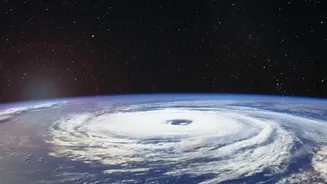
Recent satellite images show a significant reduction in cloud cover over large parts of India, particularly in the northwest and central regions, which is a strong visual cue that the monsoon is weakening. Forecast models indicate that an anticyclonic circulation, which pushes moisture away, is expected to form over northwest India. While these are clear indicators, the IMD has not yet officially declared the start of the withdrawal. The formal process is expected to begin after September 15th. This year's monsoon has been erratic, with the country facing a rainfall deficit despite episodes of intense downpours in certain areas.
The Official Timetable
The monsoon's retreat follows a fairly predictable, if sometimes delayed, schedule. It typically begins its withdrawal from the extreme north-western parts of the country, starting with West Rajasthan, around September 17th. From there, it gradually recedes south-eastward across the country over several weeks. The entire process usually concludes by mid-October, when the monsoon has withdrawn from the entire subcontinent. However, these dates can vary. In recent years, climate change and phenomena like El Niño have made the withdrawal patterns more erratic, sometimes leading to delays.
What to Expect Across India
The withdrawal brings different weather to different regions. For North and Northwest India, it means the end of the rains and the beginning of a drier, clearer, and more pleasant post-monsoon season. Skies will clear, humidity will drop, and temperatures will become more moderate. In contrast, as the monsoon retreats, Peninsular India can sometimes experience what is known as a "second summer," with a temporary spike in temperatures before the onset of the Northeast Monsoon, which brings rain to regions like Tamil Nadu and coastal Andhra Pradesh between October and December. While some parts of central India may still see rainfall until mid-September, the overall trend is toward drier conditions nationwide.
Impact on Agriculture and Daily Life
This transition is critical for India's agricultural sector. The moisture from the departing monsoon is crucial for the standing summer (Kharif) crops that are in their final growth stages. It also determines the soil moisture levels for the upcoming winter (Rabi) crop sowing season, which includes major crops like wheat and chickpeas. A drier-than-normal September could impact yields and farm incomes. For the general population, the retreat signals a welcome change from the high humidity and heavy rains, ushering in clearer skies and more comfortable weather, which is especially noticeable in the northern states.