







Beyond the Private Garage
The conversation around electric vehicles in India has largely been dominated by the private car owner. We talk about home charging, range anxiety for weekend trips, and the slickness of new models. But this narrative misses the most crucial part of the mobility
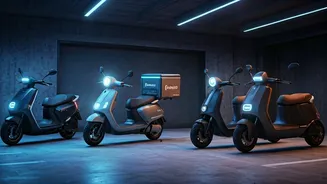
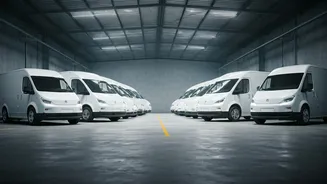
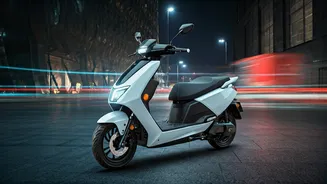
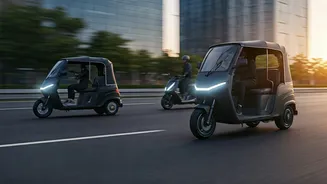
ecosystem: the commercial vehicles and gig economy workers who form the backbone of urban logistics and transport. India's gig workforce is projected to reach 23.5 million by 2029-30, with a vast number reliant on two-wheelers, three-wheelers, and vans for their livelihood. [23] These are not vehicles for occasional commutes; they are tools of a trade, running 100-150 kilometres or more daily. [2, 23] For this segment, which accounts for a disproportionate amount of emissions, the switch to electric is not just an environmental goal but an economic one. [24, 17] However, the current EV infrastructure and vehicle designs are often a poor fit for their high-intensity usage.
The Crushing Economics of Downtime
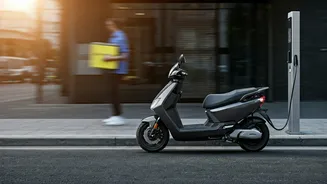
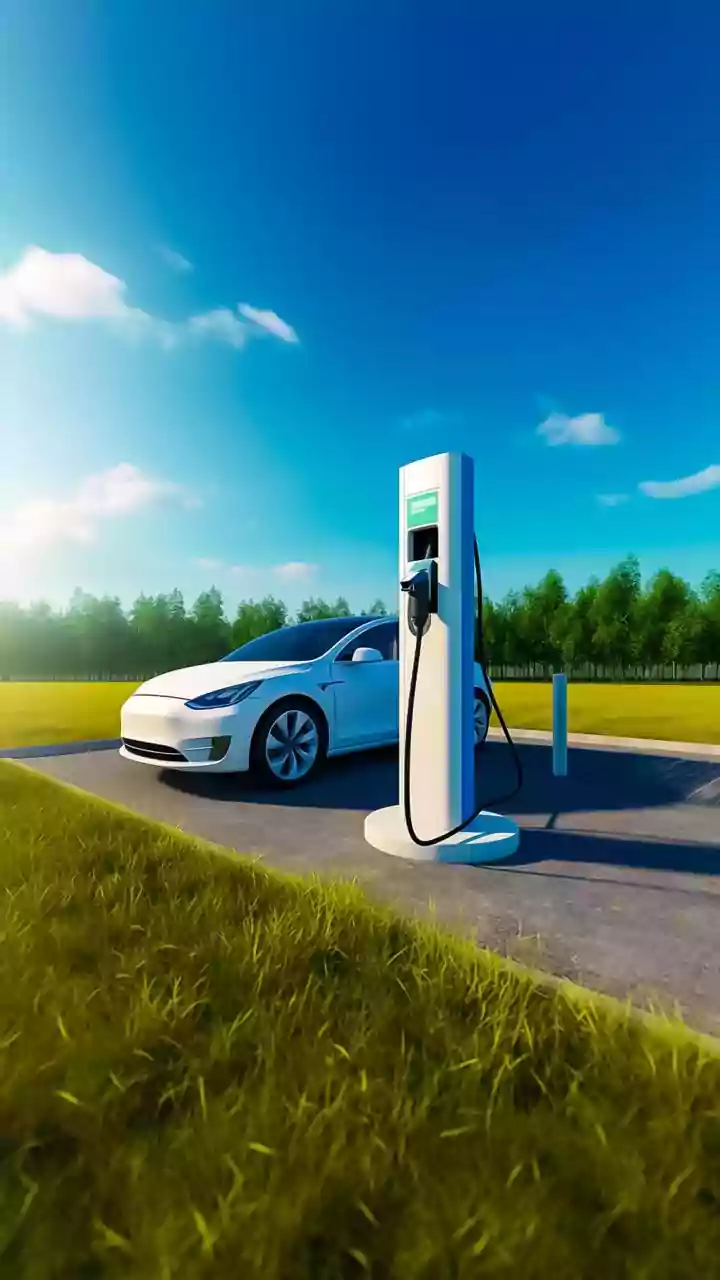
For a salaried individual, an hour spent at a charging station might be an inconvenience. For a delivery driver or a ride-hailing operator, it is lost income. [3, 15] Every minute a vehicle is plugged in, it's not on the road earning. This is the central economic challenge that generic EV solutions fail to address. While the Total Cost of Ownership (TCO) for many commercial EVs is already favourable compared to their petrol or diesel counterparts—thanks to fuel and maintenance savings—this advantage can be quickly eroded by unproductive downtime. [2, 19] A typical fast charger might still take 30-60 minutes, a significant chunk of a driver's working day. [15, 29] When a charger is broken or occupied—a common complaint—the financial penalty grows. [22] This makes reliability and speed paramount. The industry benchmark of 97% uptime for a charger still translates to over 10 days of potential unavailability per year, a risk many professional drivers cannot afford. [22]
An Infrastructure Mismatch
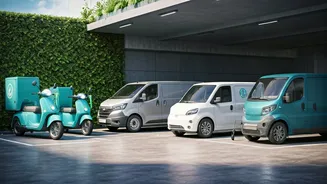
The problem extends to the physical placement and design of charging stations. Much of the public infrastructure is located in shopping malls, office complexes, and residential societies, catering to private car owners. [12] However, commercial drivers need chargers along their routes, in logistics hubs, and in dense urban areas where they operate. Furthermore, many charging bays are designed for passenger cars and are simply inaccessible to larger delivery vans or commercial three-wheelers. The lack of adequate public charging infrastructure remains a key barrier to adoption, particularly outside of major metropolitan areas. [12, 24] This forces fleets to rely on expensive, private depot charging, which only works for 'return-to-base' models and doesn't help drivers who need a top-up mid-shift.
Solutions That Put Workers First
Addressing these challenges requires a shift in focus. Battery swapping has emerged as a powerful solution, particularly for two and three-wheelers. [3, 7] It allows a driver to exchange a depleted battery for a fully charged one in minutes, almost as fast as refuelling a petrol vehicle. [3, 15] This model decouples the costly battery from the vehicle, reducing the upfront purchase price and eliminating worries about battery degradation. [5, 7] For larger vehicles like buses and trucks, the answer lies in dedicated, high-speed charging hubs designed for commercial use and strategic placement along major freight corridors. [21] Government policy is also starting to recognize this need. Proposed incentives worth over $1 billion aim to accelerate the adoption of electric buses and trucks by private operators, who constitute the vast majority of the commercial fleet. [4, 9, 16] These initiatives, combined with smart fleet management software that optimises routes and charging schedules, can make electrification a practical reality for businesses. [24, 8]