




The Alentejo: A Journey into Slow Time
Known as the soul of Portugal, the Alentejo region is a vast, sun-drenched landscape of cork forests, olive groves, and whitewashed villages. This is the perfect road trip for those looking to disconnect and embrace a slower pace of life. Starting from
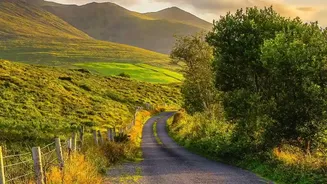
Lisbon, a two-to-three-day loop can take you through some of the region’s most captivating sites. Your first major stop should be Évora, a UNESCO World Heritage site with a stunning Roman temple and a haunting Chapel of Bones. From there, drive east towards the Spanish border to the hilltop fortress village of Monsaraz. Its ancient cobblestone streets and panoramic views over the Alqueva Dam, Europe's largest artificial lake, are breathtaking. Other essential stops include Estremoz, famous for its marble, and the charming town of Vila Viçosa. The roads here are quiet and the landscapes wide open, offering a journey that is as much about the drive as the destinations themselves.
The Douro Valley: For Wine Lovers and Scenic Drivers
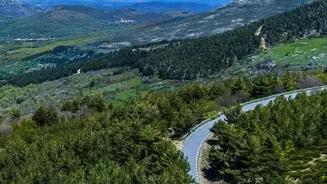
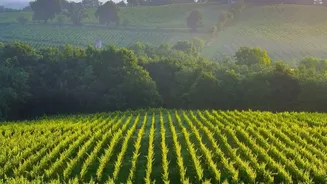
A road trip through the Douro Valley, a UNESCO World Heritage site, is a must for any wine enthusiast or lover of dramatic landscapes. Best started from Porto, this journey follows the Douro River as it carves its way through steep, terraced vineyards that have produced wine for nearly two thousand years. A classic route follows the incredibly scenic N222 road, once named one of the world's best drives, from Peso da Régua to the heart of the valley, Pinhão. Pinhão is a perfect base, offering beautiful riverside views and a historic train station adorned with blue and white azulejo tiles. From here, you can visit numerous 'quintas' (wine estates) for tours and tastings of both Port and Douro DOC wines. Be sure to book visits in advance, especially during the busy harvest season. The winding roads demand a slow pace, but every turn reveals a new, stunning vista of the river and its vine-covered hills. For a quieter base, consider the historic town of Lamego, just south of the river.
The Silver Coast: Castles, Surf, and Seaside Charm
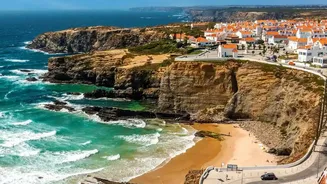
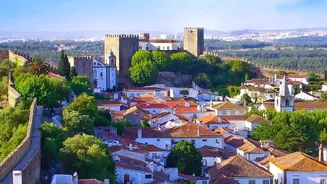
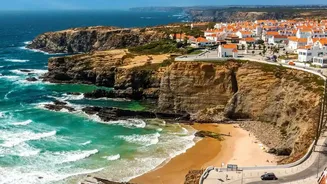
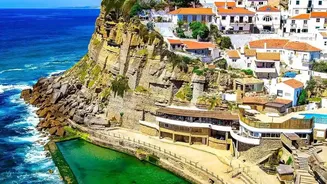
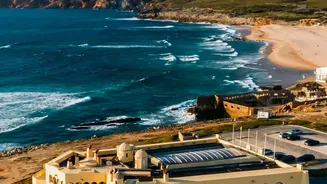
Stretching between Lisbon and Porto, the Costa de Prata, or Silver Coast, offers a diverse mix of medieval towns, world-class surf spots, and authentic fishing villages. A three-to-four-day trip allows you to explore its highlights without rushing. Begin your journey from Lisbon with a stop at Óbidos, a fairytale medieval town completely enclosed by fortified walls. Stroll its cobbled lanes and sample the local cherry liqueur, Ginjinha. Further north lies Nazaré, a traditional fishing village that has become the global epicentre of big-wave surfing, where giants of the sea crash ashore in winter. From Nazaré, you can easily visit the magnificent Gothic monasteries of Batalha and Alcobaça, both UNESCO sites. Continue to the charming seaside town of São Martinho do Porto, with its calm, shell-shaped bay perfect for families, before ending your trip in Coimbra, home to one of Europe's oldest universities.
Historic Villages: A Drive Through Portugal's Past
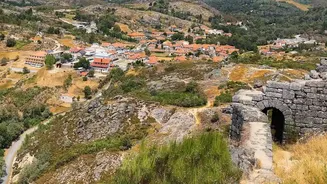
For a trip that feels like stepping back in time, explore Portugal's 'Aldeias Históricas' (Historic Villages) scattered near the Spanish border. This route is for the culturally curious, taking you through fortified hilltop villages that have guarded the nation for centuries. A great starting point is Belmonte, with its rich Jewish history, or Sortelha, a remarkably preserved medieval walled village. The most famous of these is Monsanto, known as the 'most Portuguese village in Portugal', where houses are ingeniously built among, under, and into gigantic granite boulders. Its improbable architecture and commanding castle ruins create an unforgettable landscape. Nearby, you can explore the dark schist stone village of Piódão, with its distinctive blue-painted doors, nestled deep in a mountain valley. Driving between these villages takes you through remote, ruggedly beautiful parts of central Portugal, offering an authentic glimpse into the country's resilient past.
Essential Driving Tips
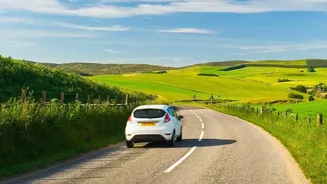
Driving in Portugal is straightforward, with good roads connecting major regions. However, be aware of toll roads, many of which are electronic-only. If you're renting a car, ensure it's equipped with a Via Verde transponder to handle tolls automatically. In rural areas, roads can be narrow and winding, so drive cautiously and be prepared for slower-moving vehicles. When navigating roundabouts, remember that traffic already inside has the right of way. In historic village centres, parking is often restricted; it's common to park outside the walls and walk in. Finally, embrace the spirit of a road trip: allow for spontaneous stops at viewpoints, local cafes, and unexpected sights.