



The Cooking Conundrum
You buy fresh, vibrant broccoli, spinach, and beans with the best intentions. They are packed with vitamins and antioxidants, compounds that help protect our bodies from damage. But from the moment they hit heat and water, a battle for nutrients begins.
Many common cooking methods, especially boiling, can cause a significant loss of the very compounds we eat these vegetables for. Water-soluble vitamins, like Vitamin C and B vitamins, are particularly vulnerable. They can easily leach out of the vegetables and into the cooking water, which most of us then pour down the drain. This means a portion of the vegetable's nutritional value is lost before it ever reaches your plate.
Why Steaming is a Nutrient Saviour
Steaming offers a powerful alternative by changing the dynamic. Instead of submerging vegetables in water, steaming cooks them with hot, moist air. The vegetables are held in a basket above simmering water, which means they have minimal contact with the water itself. This simple separation is the key to its success. Studies have shown that steaming is one of the best methods for preserving delicate, water-soluble nutrients. For example, one study found that boiling broccoli can result in a loss of over 50% of its Vitamin C, while steaming causes a significantly smaller loss of around 14%. Some research even indicates that for certain antioxidants like polyphenols, steaming can increase their content by over 50% compared to a 38% reduction from boiling. While 'doubling' is a strong claim, the evidence clearly shows steaming preserves substantially more antioxidants than boiling.
The Special Case for Broccoli
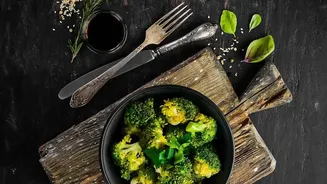
Broccoli is a nutritional superstar, and it benefits immensely from steaming. It's rich in compounds called glucosinolates, which have been linked to cancer-fighting properties. For our bodies to use them, an enzyme called myrosinase, also found in broccoli, must be present. Research has found that harsh cooking methods like boiling and frying can destroy this crucial enzyme. Steaming, however, is gentle enough to preserve it. In fact, studies have shown that lightly steaming broccoli for up to five minutes is the ideal way to retain both the glucosinolates and the enzyme needed to activate them, making the vegetable's health benefits more bioavailable than when eaten raw.
How to Master Steaming
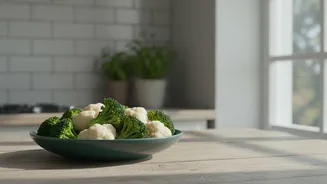
Incorporating steaming into your routine is simple. All you need is a pot with a lid and a steamer basket or insert. First, add an inch or two of water to the pot, ensuring the water level is below the bottom of the basket. Bring the water to a simmer, not a rolling boil. Place your chopped vegetables in the basket, put it in the pot, and cover with the lid. Cooking time will vary depending on the vegetable—delicate greens like spinach may take only a few minutes, while denser vegetables like broccoli florets or sliced carrots might need 5-10 minutes. The goal is a 'tender-crisp' texture; they should be vibrant in colour and easy to pierce with a fork but not mushy.
Don't Sacrifice Flavour
A common myth is that steamed vegetables are bland. While it's a simple cooking method, it creates a perfect canvas for flavour. Because steaming preserves the vegetables' natural taste and texture, you don't need to do much to make them delicious. Once they are cooked, toss them with a drizzle of good olive oil, a squeeze of fresh lemon juice, and a sprinkle of salt and pepper. Fresh herbs, minced garlic, a dash of soy sauce, or a sprinkle of toasted nuts and seeds can also transform a simple bowl of steamed greens into a flavourful side dish. The key is to season them after they come out of the steamer, so the flavours stay bright and fresh.