




The Magic of Kala Namak
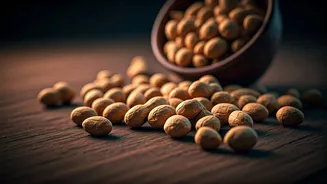
First, let's be clear: we’re not talking about regular table salt. Black salt, or 'kala namak', is a kiln-fired rock salt with a unique mineral composition. Sourced from mines in the Himalayan region, it undergoes a traditional process where it’s heated
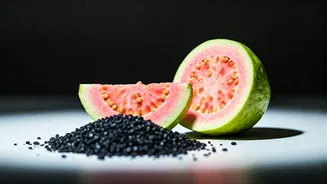
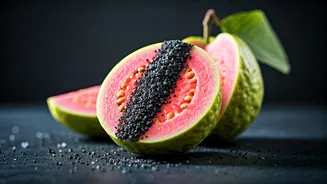
to high temperatures with spices and herbs like harad seeds. This process gives it its distinctive pinkish-grey colour and, more importantly, its signature flavour profile. The key is its sulphur content, which imparts a pungent, slightly eggy aroma and a complex, savoury taste that is far more interesting than the straightforward salinity of sodium chloride. It's this complexity that lays the groundwork for its magical pairing with fruits.
The Science of Sweet and Salty
The reason this combination works so well isn't just a matter of opinion; it’s rooted in taste science. Salt is a natural flavour enhancer. When you add a small amount of salt to something sweet, it works in a couple of ways. Firstly, it suppresses our perception of bitterness. Many fruits, including guava, have subtle bitter notes that can compete with their sweetness. A sprinkle of salt effectively mutes these notes, allowing the sugary, floral flavours to shine through more brightly. Secondly, certain sodium receptors on our tongue can actually amplify the signals sent by sugar receptors to the brain. In short, the salt makes the guava taste objectively sweeter and more 'guava-like'. The sulphurous tang of kala namak adds another dimension, a hint of umami-like depth that contrasts beautifully with the fruit’s bright freshness.
A Ritual Steeped in Nostalgia
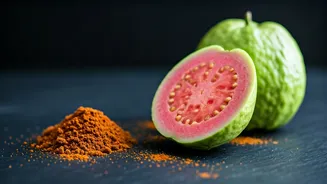
For many Indians, this isn't just a snack; it's a memory. It’s the taste of after-school treats, winter afternoons spent on the terrace, or a quick, refreshing bite during a busy market trip. The ritual is part of the appeal: watching the fruit vendor deftly chop the guava into bite-sized pieces, place them in a small bowl made of dried leaves or newspaper, and generously sprinkle that mysterious, flavourful powder over the top. Sometimes the mix includes a pinch of red chilli powder or chaat masala, but kala namak is always the star. It connects us to a shared culinary experience, a simple pleasure that has been passed down through generations. This combination is particularly popular during the winter months, when guavas are at their peak season—crisp, fragrant, and full of flavour.
A Surprisingly Wholesome Treat
Beyond its incredible taste, the guava and black salt pairing is a relatively healthy indulgence. Guavas are a nutritional powerhouse, famously packed with more Vitamin C than an orange, along with dietary fibre, antioxidants, and potassium. They are fantastic for immunity and digestion. Black salt, meanwhile, has its own place in traditional wellness practices. In Ayurveda, kala namak is often used to aid digestion, relieve bloating, and cool the body. While it's still a salt and should be consumed in moderation, its traditional reputation as a digestive aid makes it a more interesting choice than plain salt. Together, they create a snack that satisfies your cravings without the guilt of processed junk food, making it a perfect pick-me-up any time of day.
How to Perfect the Pairing at Home
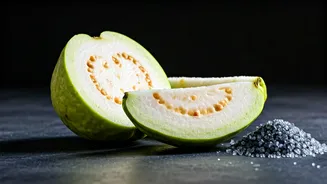
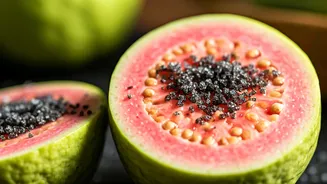
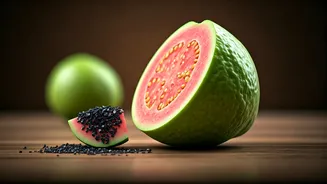
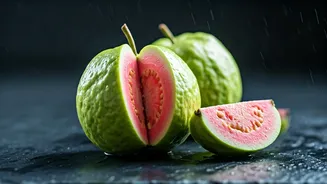
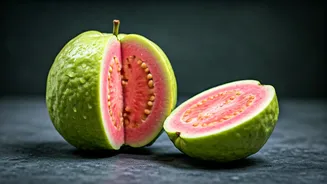
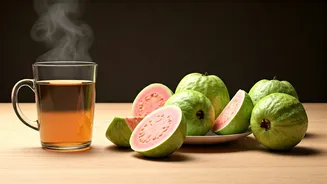
Recreating this experience at home is incredibly simple. Start with the right guava. Look for one that is firm to the touch but has a fragrant aroma, indicating ripeness. You can choose either the white or pink variety, though many prefer the crunchier white ones for this snack. Slice the guava into wedges or bite-sized cubes. Then, simply take a generous pinch of kala namak and sprinkle it evenly over the fruit. For an extra kick, you can add a tiny dash of red chilli powder. Toss everything together and enjoy immediately. Don’t be shy with the salt; its robust flavour is meant to stand up to the fruit. This same trick also works wonders on other fruits like green apple, pineapple, star fruit, and raw mango, proving that a little bit of salty, savoury magic can elevate almost anything.