

The Allure of the Mix
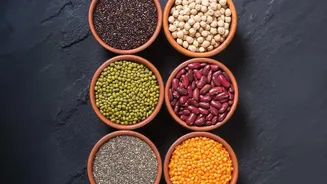
Combining different pulses like lentils, beans, and chickpeas is a fantastic idea in theory. It promises a complex tapestry of flavours, a variety of textures, and a powerhouse of plant-based protein and nutrients. From a hearty mixed dal to a robust
bean soup, the appeal is undeniable. Many traditional cuisines celebrate pulse combinations for this very reason. However, the path to a perfect mixed pulse dish is paved with a little bit of science and a lot of planning. Simply mixing them at random is a common mistake that even experienced home cooks can make, leading to disappointing and often inedible results. The key isn't to avoid mixing pulses, but to understand how to do it correctly.
The Mushy and the Hard Truth
The core issue lies in their vastly different cooking times. If you cook soft red lentils (masoor dal), which can turn tender in 15-20 minutes, with hard chickpeas (chana), which can take over an hour, you'll face a textural nightmare. By the time the chickpeas are acceptably soft, the red lentils will have disintegrated into a flavourless mush. Conversely, if you cook for the time suited to the lentils, you'll be left with unpleasantly hard, undercooked chickpeas. This isn't just a matter of texture; undercooked beans can cause significant digestive distress. Some raw pulses, like kidney beans, contain high levels of toxins called lectins, which are only destroyed by thorough cooking. Consuming them undercooked can lead to symptoms like nausea and abdominal pain.
Why Pulses Cook at Different Speeds
Several factors determine how long a pulse needs to cook. Size is the most obvious one; larger beans like rajma (kidney beans) or chickpeas have more mass to cook through than small lentils. Skin thickness also plays a major role. Pulses with thick, tough skins require more time for water to penetrate and soften them. This is why split lentils (dal), which have had their skins removed, cook much faster than their whole counterparts. Finally, the age of the pulse matters. Older, drier beans that have been sitting in your pantry for a year will take significantly longer to soften than fresh ones. These variables are why a one-size-fits-all approach to cooking pulses is destined to fail.
The Smart Way: Grouping and Soaking
The first rule of successful pulse mixing is to group those with similar cooking times. For example, toor dal (split pigeon peas), chana dal, and urad dal can often be cooked together as they have comparable cooking requirements. Red lentils (masoor) and yellow lentils (moong) are also good companions for a quick-cooking dal. Soaking is another powerful tool in your arsenal. While it won't magically make a chickpea cook as fast as a red lentil, it significantly reduces the overall cooking time for all pulses and helps them cook more evenly. Soaking also helps break down compounds that can cause bloating and gas, making the pulses easier to digest. For hard beans like chickpeas and kidney beans, an overnight soak of 8-12 hours is ideal. For most dals, a shorter soak of 1-2 hours is sufficient.
The Pro Move: Cooking in Stages
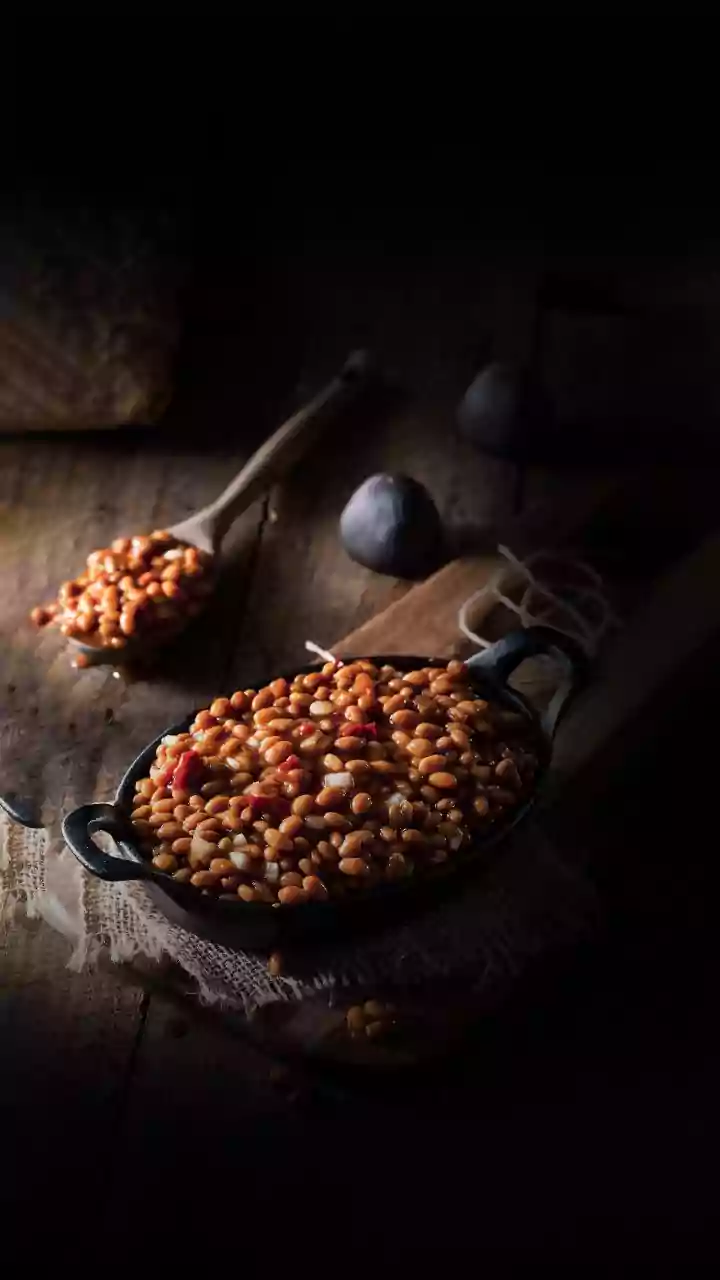
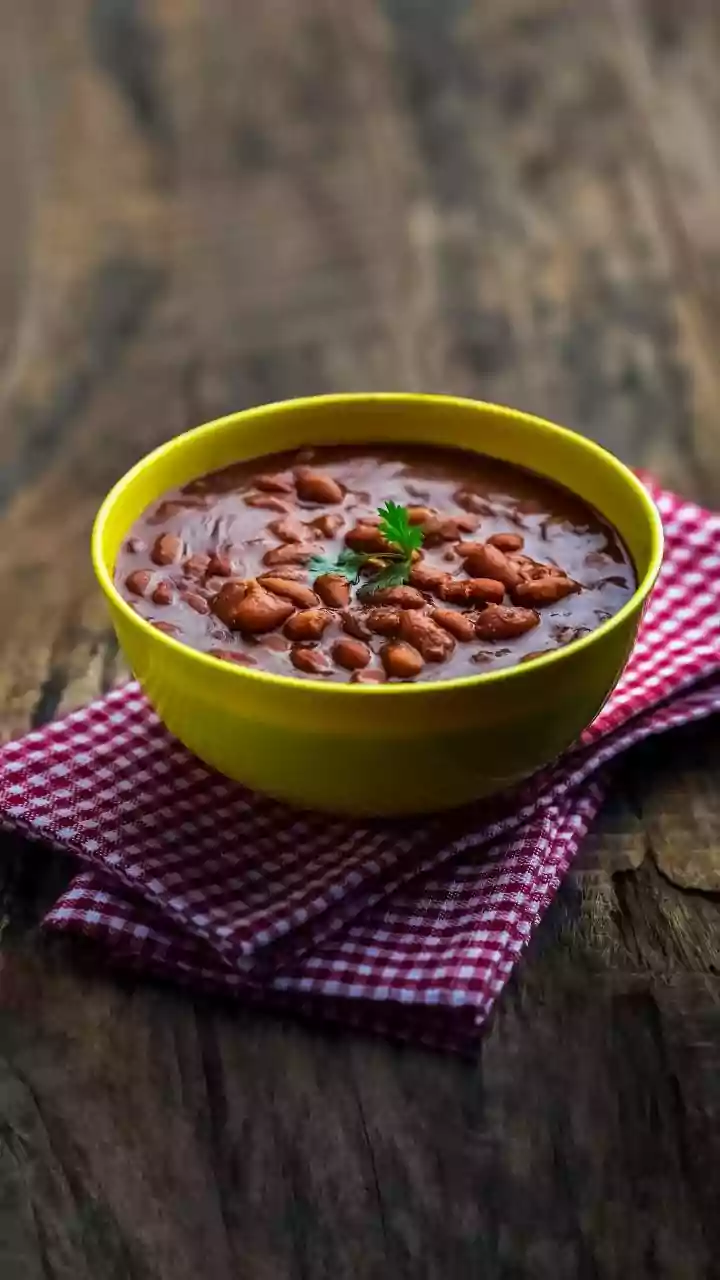
If you are set on combining pulses with very different cooking schedules, the solution is to cook them in stages. This is the 'planned' part of the headline and the secret to a perfect mixed-bean chilli or soup. Start by adding the pulses that take the longest to cook, such as whole beans like kidney beans or chickpeas, to the pot first. Let them simmer away until they are partially cooked. Then, add the medium-cook-time pulses. Finally, add the quickest-cooking lentils, like red or yellow lentils, during the last 15-20 minutes of the cooking process. This method requires more attention, but it ensures that every single pulse in your dish is cooked to perfection—not too hard, not too mushy, but just right.