





From Sightseeing to Story-living
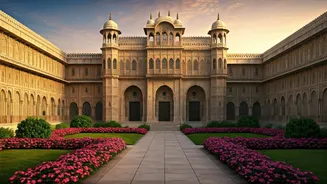
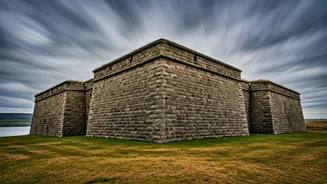
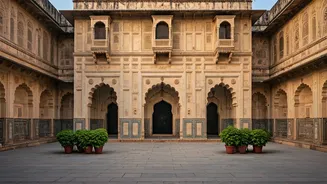
The modern Indian traveller has evolved. There's a growing shift away from passive sightseeing towards immersive, experiential journeys. People no longer want to just see a monument; they want to live inside its story. Heritage hotels, particularly forts,
offer this unique proposition. They are not museums with velvet ropes but living, breathing structures where you can walk the same corridors as warriors and royals. This move from a checklist of places to a collection of meaningful experiences is a core reason for the trend. Travellers, especially younger demographics like Gen Z and millennials, are seeking cultural immersion and authentic connections over traditional tourist activities.
The Instagram Effect: History Goes Viral
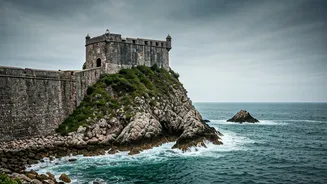
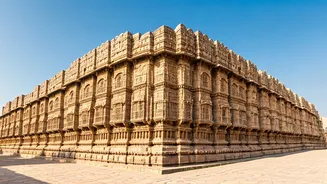
Let’s be honest: forts are incredibly photogenic. The dramatic architecture, sprawling courtyards, and panoramic views from ancient ramparts provide a stunning backdrop for social media. In an age where travel choices are heavily influenced by platforms like Instagram and YouTube, the visual appeal of a destination is a powerful driver. Research shows that a vast majority of Indian travellers use social media for inspiration, and the unique, story-rich aesthetic of a fort hotel is tailor-made for a curated feed. This creates a cycle of inspiration, as posts from one traveller encourage others to seek out these visually striking and historically significant stays.
Modern Luxury in Ancient Settings
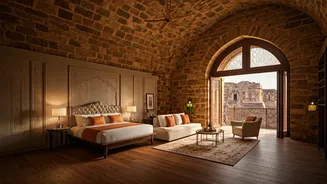
The idea of staying in a drafty, centuries-old fort might once have seemed daunting, but that’s no longer the reality. Hospitality brands have masterfully restored these properties, blending their historic grandeur with modern five-star comforts. Many former forts, havelis, and palaces now offer luxurious rooms, fine-dining restaurants, swimming pools, and even spas, all within ancient walls. Properties like Neemrana Fort-Palace, Alila Fort Bishangarh, and Six Senses Fort Barwara are prime examples of this successful fusion, ensuring guests experience royal treatment without sacrificing modern amenities. This combination of old-world charm and contemporary luxury makes the experience accessible and highly desirable.
The Search for Seclusion and Authenticity
The post-pandemic travel landscape has seen a heightened desire for less crowded and more exclusive experiences. Heritage forts, often located in rural or less-congested areas, offer a sense of escape and privacy that mainstream hotels in bustling cities cannot. This trend is also tied to a growing interest in discovering lesser-known destinations. Travellers are intentionally moving away from tourist traps to find authentic cultural encounters. Staying in a fort often means engaging with the local community, sampling regional cuisine made from heirloom recipes, and supporting the preservation of history, which adds another layer of meaning to the vacation.
A Boost for Preservation and Local Economies
This trend has a significant positive impact beyond the traveller. Converting dilapidated forts and palaces into hotels is a powerful driver for architectural preservation. Many of these magnificent structures were falling into disrepair before being repurposed for hospitality. This adaptive reuse not only saves historical treasures for future generations but also boosts local economies by creating jobs and attracting tourism to less-visited parts of the country. When you book a stay, you are, in a small way, becoming a patron of heritage conservation, a fact that resonates with a growing number of conscious travellers.