
The Problem with Prolonged Sitting
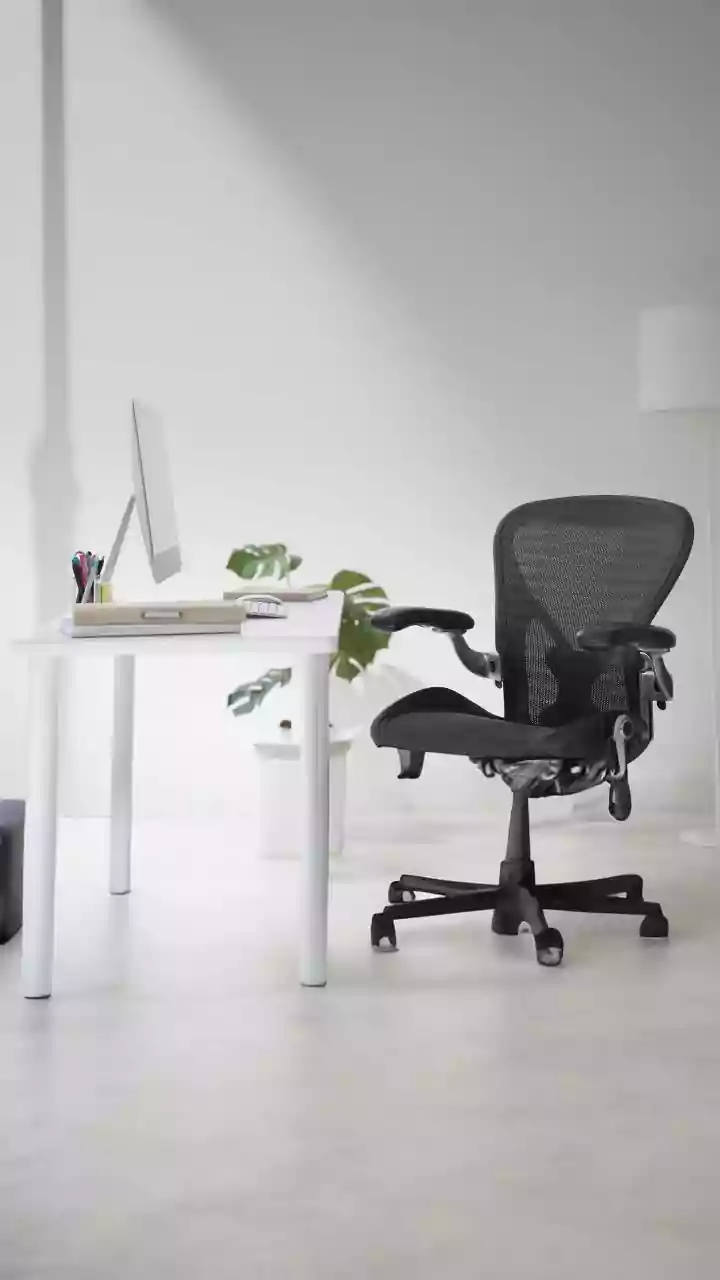
In our modern work culture, spending eight hours a day at a desk has become the norm. This prolonged period of sitting, often in a less-than-ideal posture, creates a perfect storm of physical stress. Your head may drift forward, increasing the effective
weight on your cervical spine. Your shoulders round, your chest tightens, and your lower back aches from the lack of support and movement. This static positioning can lead to chronic neck pain, shoulder stiffness, and poor posture that follows you even after you have logged off for the day. Fortunately, you do not need a yoga mat or a full hour to combat these effects. A few minutes of targeted movement can make a world of difference. Chair yoga offers an accessible way to break up the day, improve circulation, and gently stretch the muscles that suffer most.
1. Seated Cat-Cow
This foundational yoga pose is excellent for spinal mobility and can be easily adapted for your office chair. It helps to gently warm up the spine and relieve tension in the back and neck. To begin, sit tall at the edge of your chair with your feet flat on the floor, about hip-width apart. Place your hands on your knees. On an inhale, gently arch your spine, lift your chest, and look forward, allowing your belly to move towards your desk. This is the 'Cow' position. On an exhale, round your spine, tucking your chin toward your chest and drawing your navel in. This is the 'Cat' position. Continue flowing between these two poses for five to ten breaths, letting your breath guide the movement.
2. Seated Spinal Twist
Twists are fantastic for releasing tension in the back and improving digestive health. Sit tall with your feet firmly on the floor. Place your left hand on the outside of your right knee. Place your right hand on the back of the chair or the armrest for support. Inhale to lengthen your spine, sitting up as straight as possible. As you exhale, gently twist your torso to the right, using your hands for light leverage. Look over your right shoulder if it feels comfortable for your neck. Hold here for three to five deep breaths, feeling the stretch through your spine. Slowly unwind on an exhale and repeat on the other side.
3. Eagle Arms
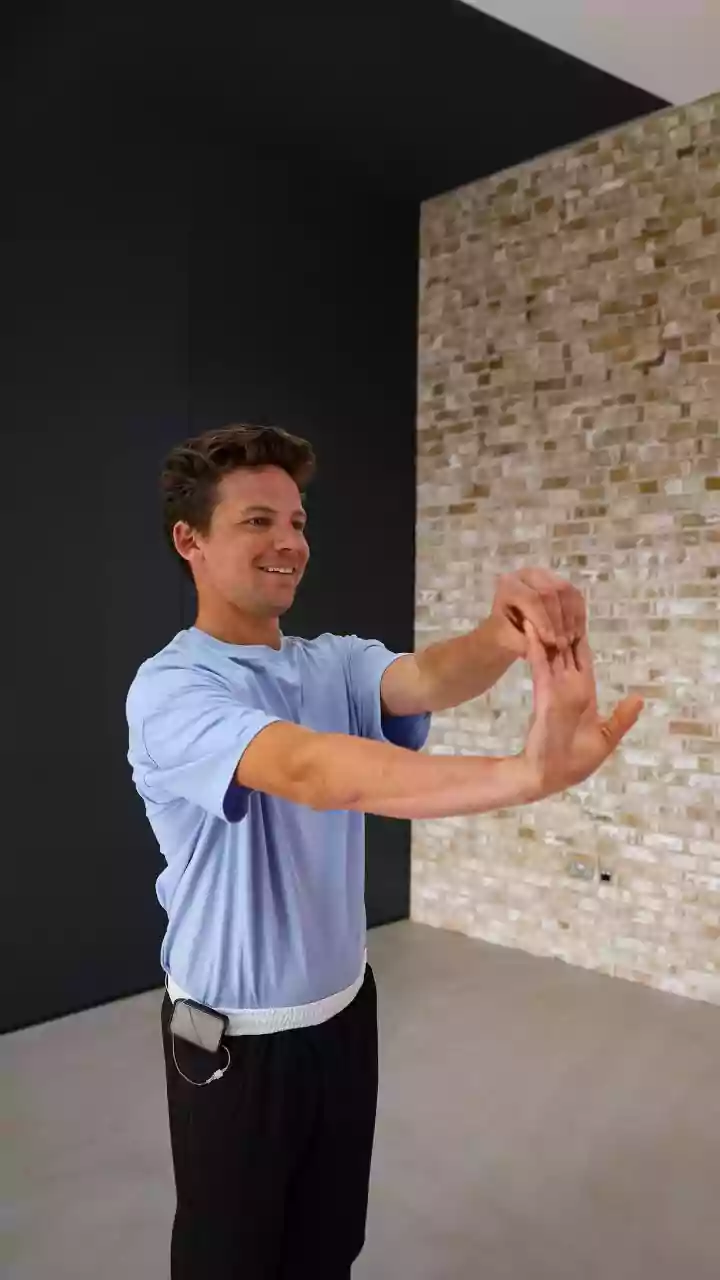
This pose provides a deep stretch for the upper back and shoulders, targeting the often-tight area between the shoulder blades. Extend your arms straight out in front of you. Cross your right arm over your left at the elbows. Bend your elbows, bringing the backs of your hands or your palms together. If this is too intense, simply give yourself a hug by placing your hands on your opposite shoulders. Gently lift your elbows to shoulder height while keeping your shoulders relaxed and down. You should feel a stretch across your upper back. Hold for three to five breaths, then unwind and repeat with the left arm on top.
4. Neck and Shoulder Rolls
Directly address neck and shoulder strain with this simple, intuitive movement. Sit tall and drop your right ear toward your right shoulder, feeling a gentle stretch along the left side of your neck. Hold for a few breaths. Slowly roll your chin down toward your chest, then continue the roll to bring your left ear toward your left shoulder. Avoid rolling your head all the way back, as this can compress the cervical spine. Repeat this gentle half-circle motion three to four times. Afterwards, release the neck and slowly roll your shoulders backward in large circles five times, then reverse and roll them forward five times to release built-up tension.
5. Seated Forward Fold
Release your entire back, neck, and shoulders with this restorative pose. Sit on the edge of your chair with your feet planted wider than your hips. With a long spine, hinge forward from your hips and let your torso drape down between your legs. Allow your head and neck to hang heavy, releasing all tension. You can let your arms dangle towards the floor or rest your hands on your thighs. Breathe deeply into your back, feeling the muscles expand with each inhale and soften with each exhale. Stay here for five deep breaths before slowly rolling back up to a seated position, one vertebra at a time.