





Master Your Monsoon Packing List
Forget heavy jeans and delicate fabrics. Your monsoon wardrobe should be all about quick-drying, lightweight materials. Synthetic fabrics like nylon and polyester are your best friends, as cotton takes forever to dry in the humid air. Pack at least one
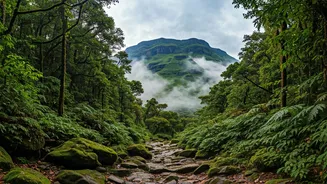
extra set of clothes in a waterproof dry bag to ensure you always have something comfortable to change into. Footwear is critical: trade your leather shoes for sturdy, waterproof sandals with good grip or rubber floaters. Slippery, moss-covered paths are common. A waterproof, breathable rain jacket is a non-negotiable item, far more practical than an umbrella which can be useless in windy conditions. Also, consider packing a few zip-lock bags of various sizes. They are invaluable for protecting your wallet, phone, and other small essentials from a sudden downpour.
Prioritise Your Health and Safety
The monsoon season can increase the risk of waterborne and mosquito-borne illnesses. Be vigilant about your health. Drink only bottled or purified water, and be wary of ice in your drinks unless you're sure of the water source. Avoid street food that has been sitting out in the open, especially cut fruits or anything that isn't freshly cooked and served hot. This helps minimise the risk of stomach infections. Carry a basic medical kit with essentials like antiseptic wipes, bandages, pain relievers, and medication for stomach upsets. A strong insect repellent is crucial, particularly during the early morning and evening hours, to protect against mosquitoes that can carry diseases like dengue and malaria. Applying repellent and wearing long sleeves and trousers can significantly reduce your risk of bites.
Navigate Transport Challenges
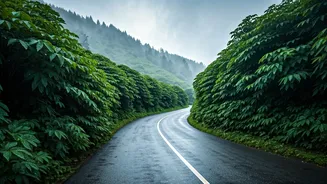
Heavy rains can wreak havoc on transport schedules. Flights might get delayed or cancelled due to low visibility, and trains can run late due to waterlogged tracks. Road travel is perhaps the most affected, with risks of landslides in hilly regions and flooded highways in the plains. When planning your itinerary, build in buffer days to account for potential delays. Check the weather forecast and news for travel advisories, especially if you are heading to mountainous areas like the Himalayas or the Western Ghats. It's wise to book flexible tickets where possible and stay in touch with your airline or railway for updates. If you're hiring a car, ensure it's a vehicle with good ground clearance, like an SUV, and that the driver is experienced with monsoon driving conditions.
Pick Your Paradise Wisely
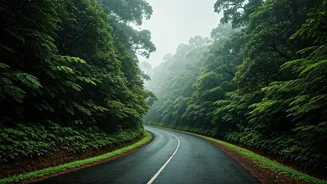
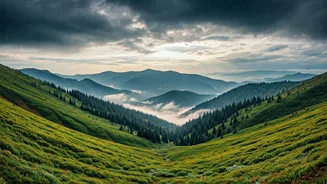
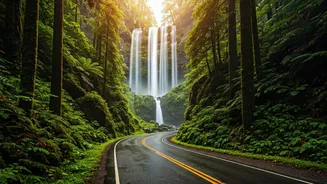
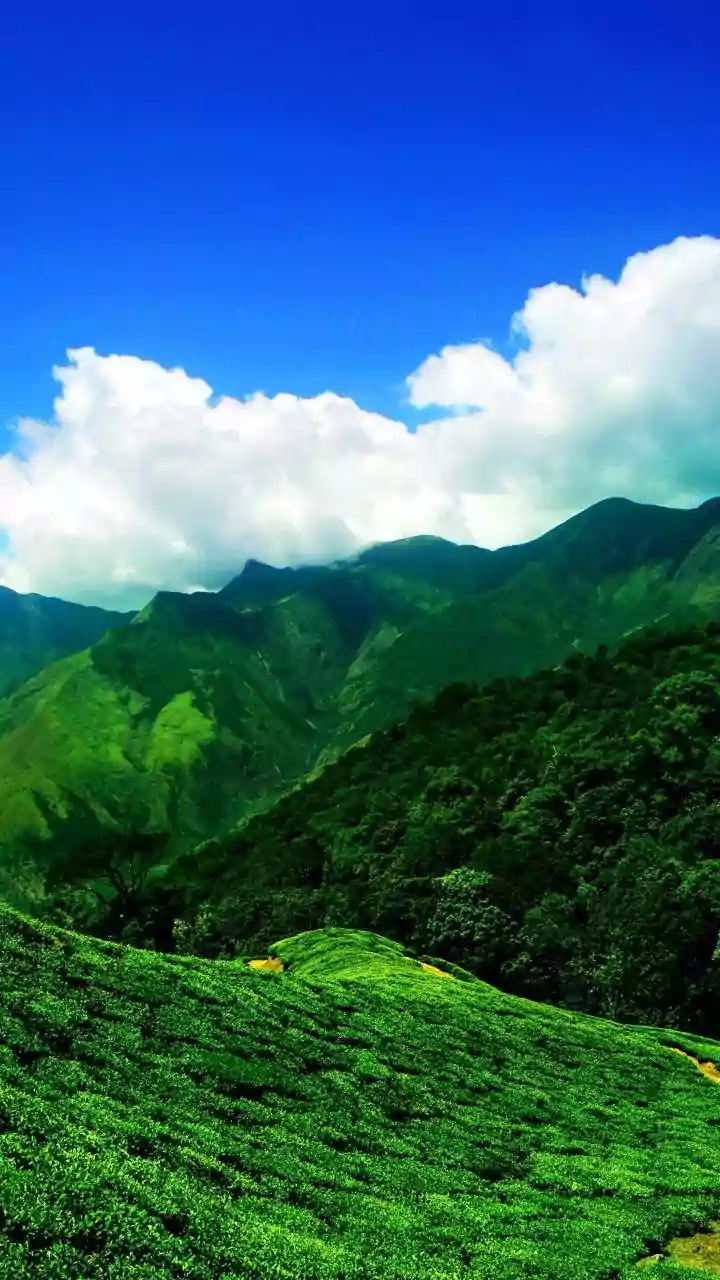
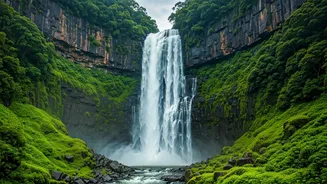
Not all destinations are created equal during the monsoon. While some regions become risky, others come alive. The Himalayan states are often prone to landslides and are best avoided. Similarly, many beach destinations might have rough seas, making swimming unsafe. Instead, consider destinations that flourish in the rain. The Western Ghats, including places like Munnar in Kerala or the Coorg region in Karnataka, are spectacularly lush and beautiful. The waterfalls are at their peak, and the misty landscapes are breathtaking. Rajasthan, typically dry and hot, becomes much more pleasant, offering a unique opportunity to explore its majestic forts without the scorching heat. Regions like Orchha in Madhya Pradesh also offer stunning green landscapes and a cooler climate, making them ideal for a monsoon getaway.
Protect Your Gadgets and Gear
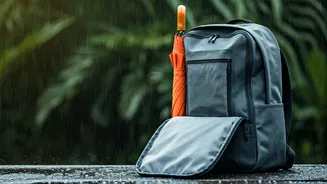
High humidity and sudden showers are the enemies of electronics. Your camera, phone, and laptop need extra protection. A high-quality waterproof backpack or a rain cover for your existing bag is a must. As mentioned, zip-lock bags are a cheap and effective way to shield your phone and power bank. For serious photographers, investing in a proper waterproof camera housing or a dedicated rain sleeve is a good idea. Always carry a few packets of silica gel in your camera bag and laptop case. They are excellent at absorbing ambient moisture and can prevent fungal growth on lenses or damage to internal components. Before stepping out, double-check that all your bags are securely fastened to prevent water from seeping in.